
Last updated November 25, 2026
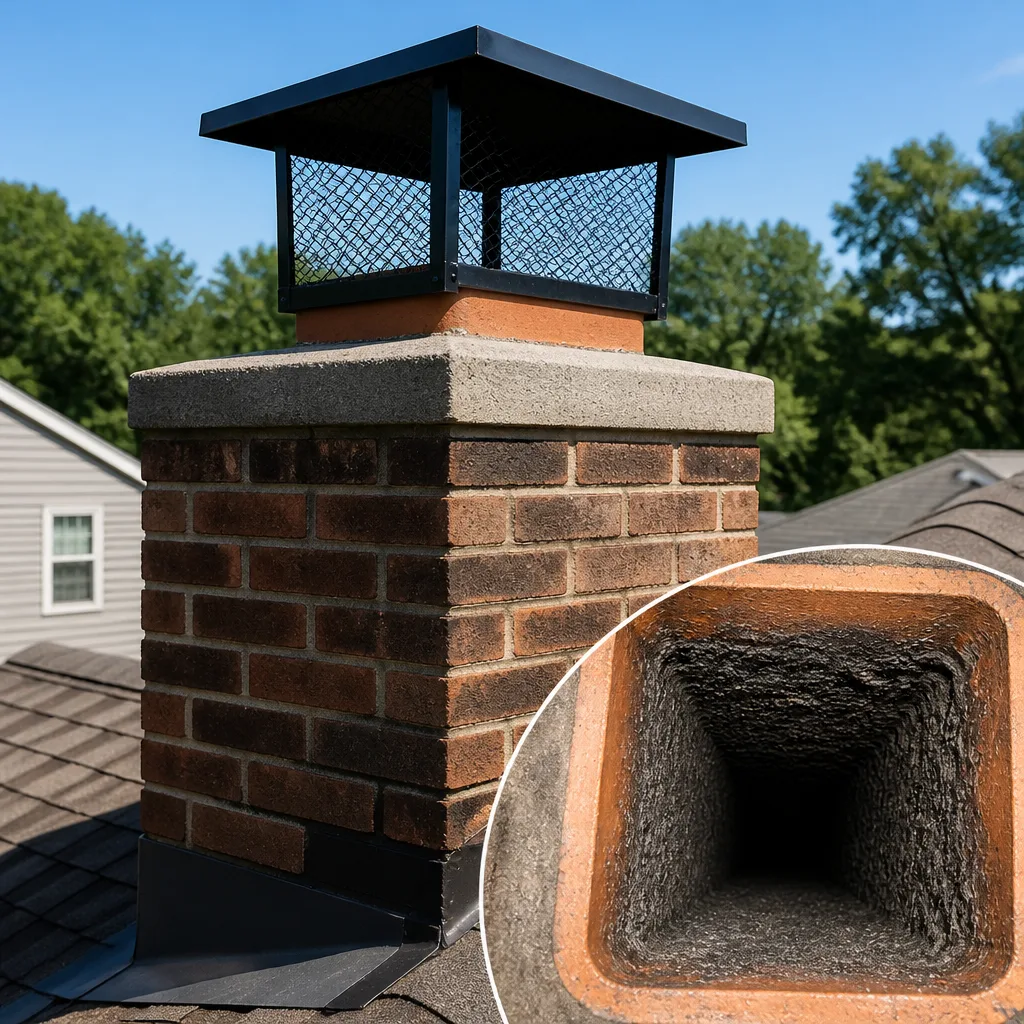 Sweep & inspection
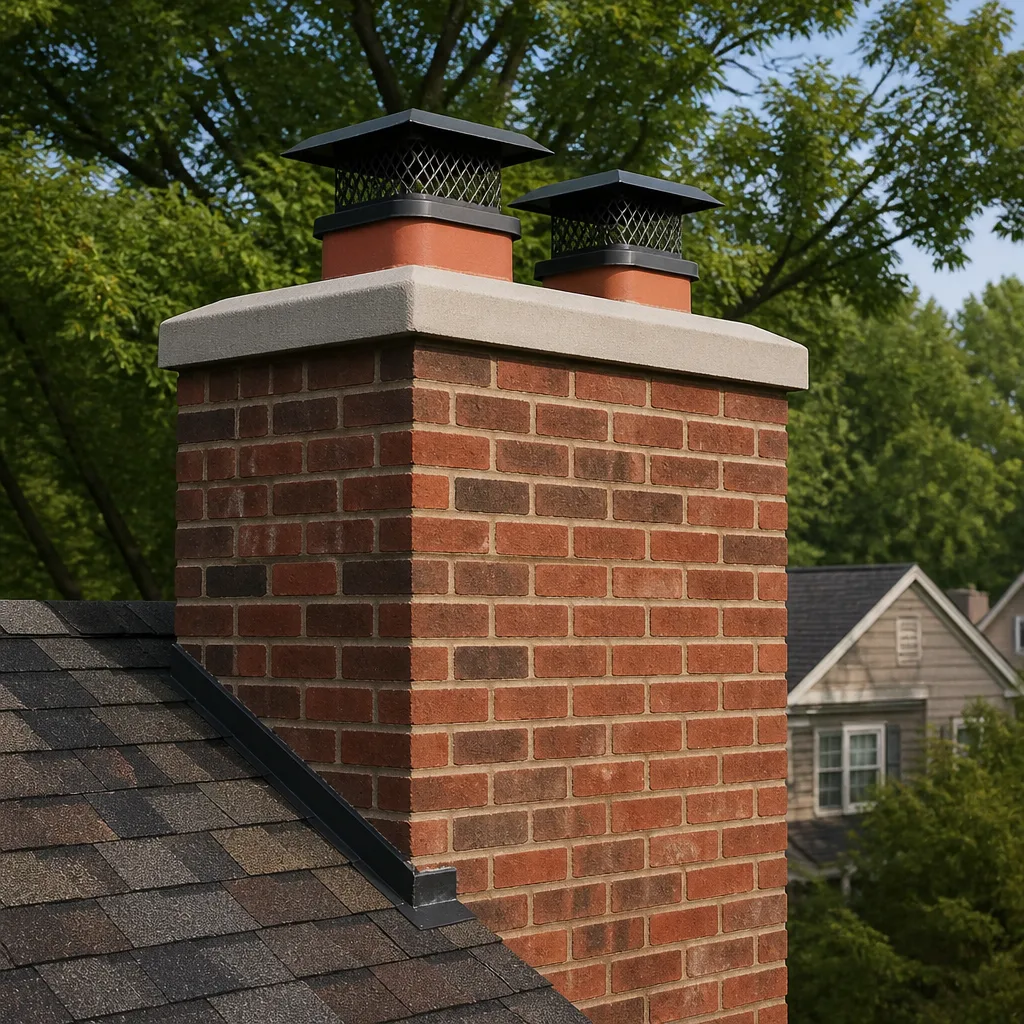 Caps & crowns
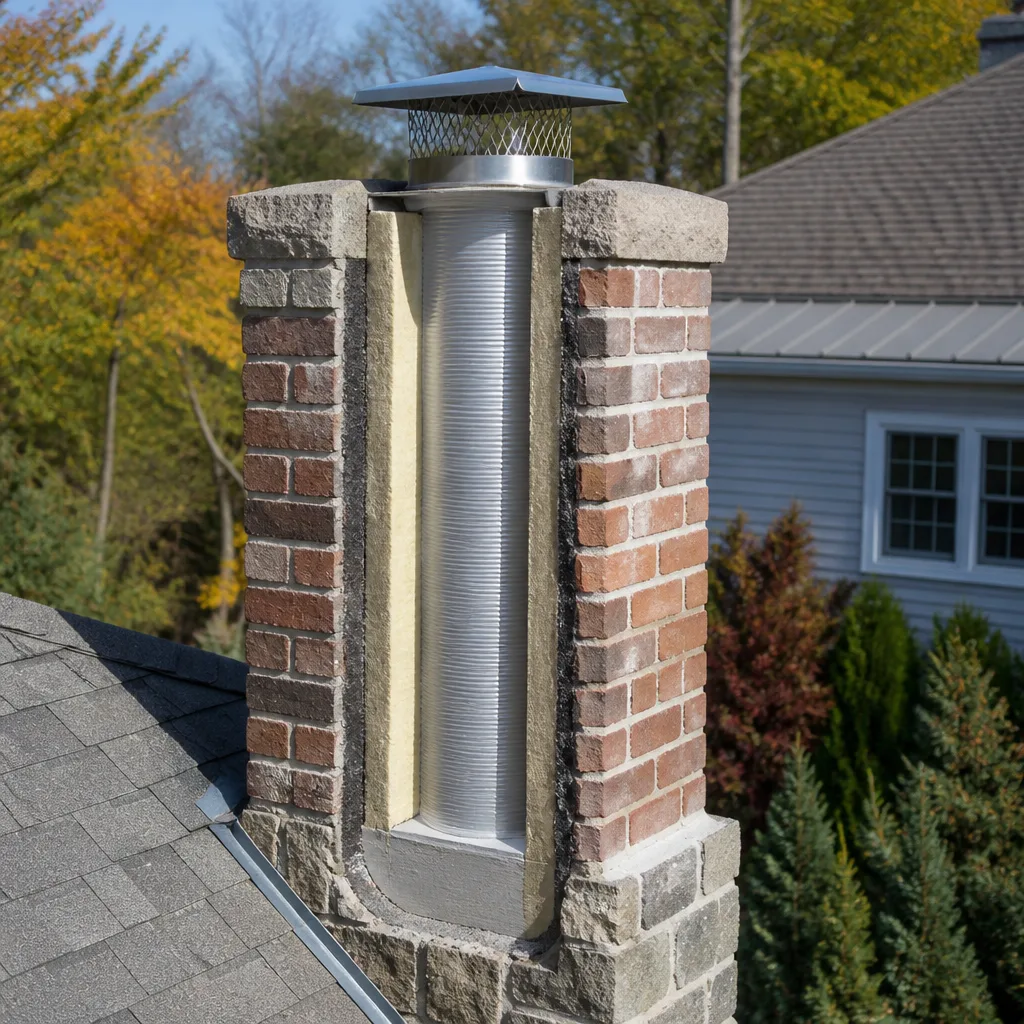 Flue relining
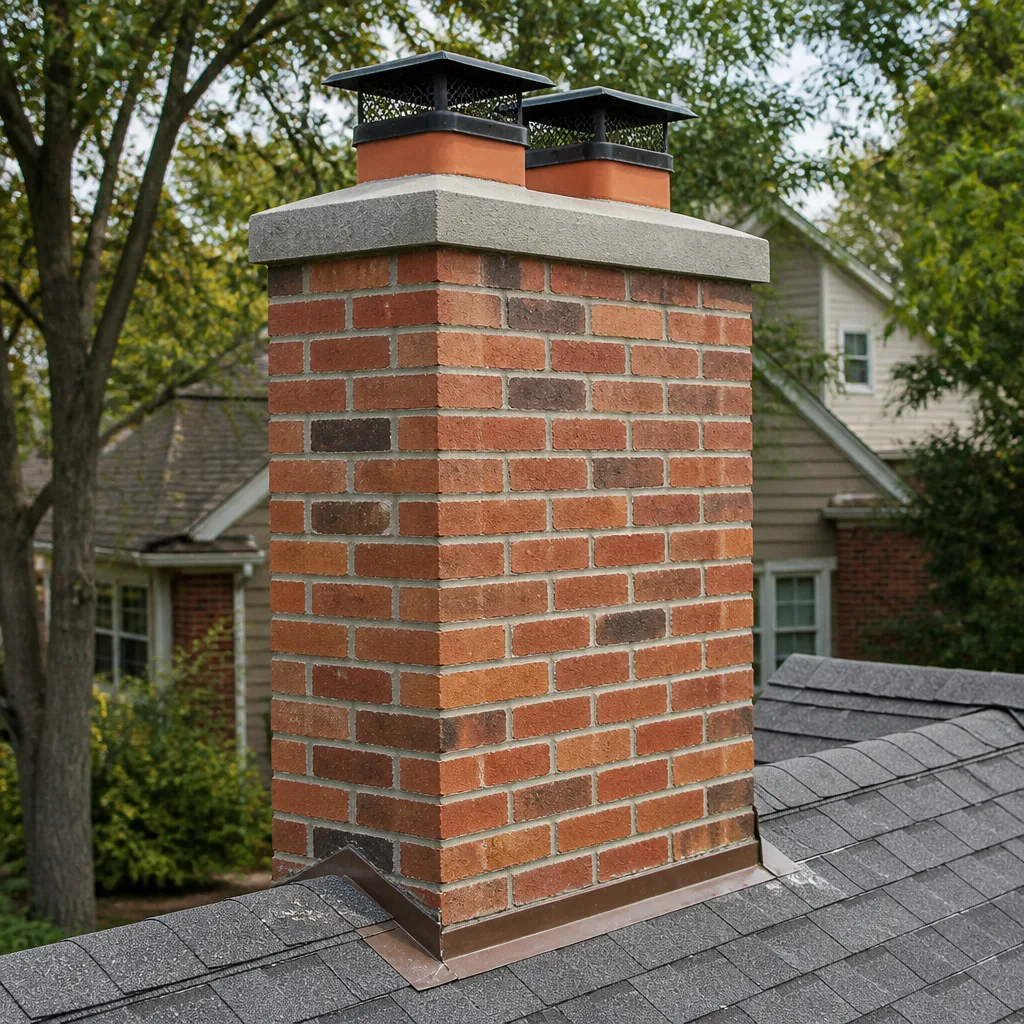 Masonry repair
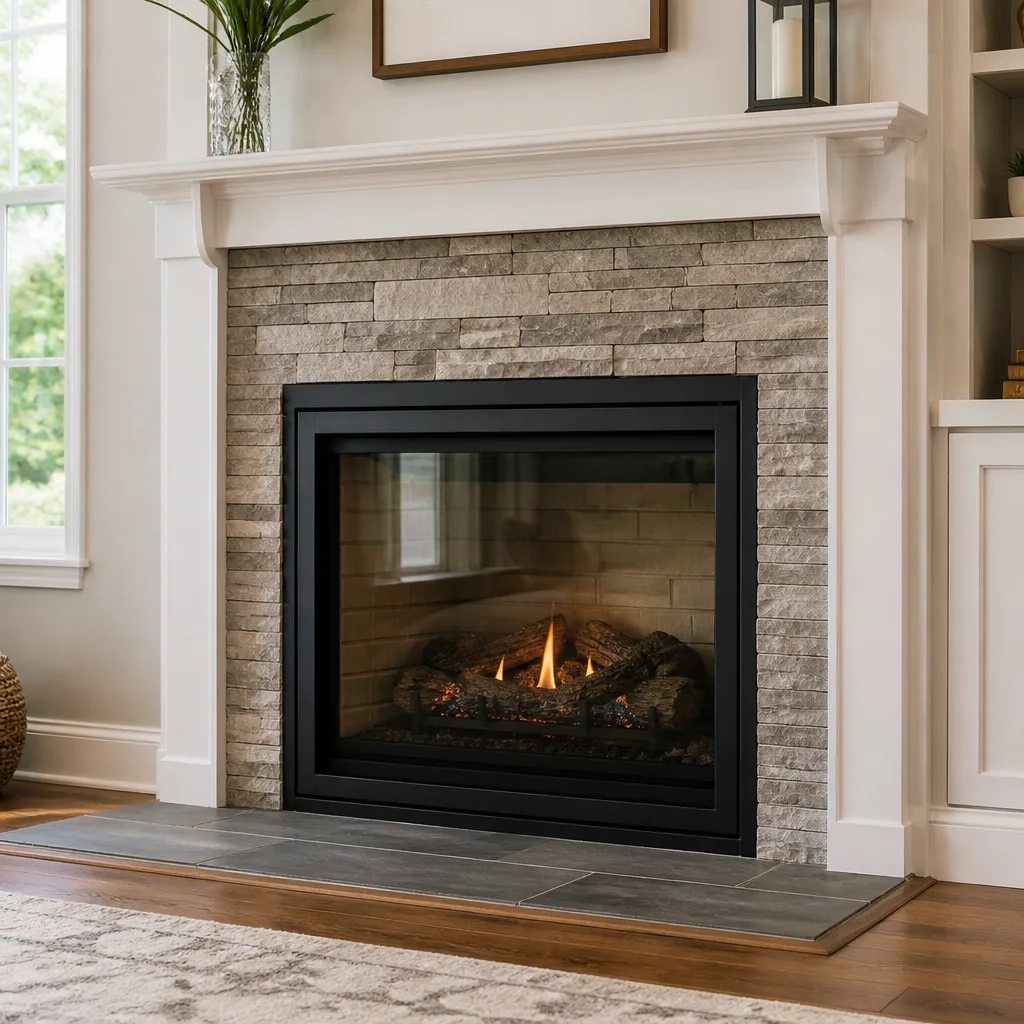 Gas fireplace service
Level 1 sweep and inspection to the NFPA 211 annual standard - flue, crown, cap, and flashing checked and photographed
Chimney sweep logs do not sweep chimneys. They loosen some creosote - which then falls where a brush and vacuum still have to collect it.
The Complete Guide to Chimney Cleaning in Lynnwood
Most chimney fires don’t start because a homeowner skipped cleaning entirely. They start because the cleaning addressed the flue and ignored the smoke chamber, where glazed creosote accumulates fastest during the Pacific Northwest’s cool, damp burn seasons. In Lynnwood, that pattern shows up often: a flue that brushes clean while the chamber above the damper stays coated and quietly dangerous. This guide maps chimney cleaning as a system-specific process – component by component, by flue type, and by what Lynnwood’s weather actually does to your chimney between sweeps. You’ll learn what a thorough cleaning touches, what it should document, and how to tell whether yours covered the whole system.
Quick Answer
Chimney cleaning in Lynnwood is the mechanical removal of soot, creosote, and debris from every zone of the chimney system – firebox, smoke shelf, smoke chamber, flue, and cap – not just the flue. A complete cleaning takes roughly 45 to 90 minutes depending on the appliance and how much creosote has built up, and it should always include a Level 1 inspection that documents what was found. In Lynnwood’s damp climate, annual cleaning is the right baseline for regularly used fireplaces, with more frequent visits when glazed creosote is present. Call (855) 550-7286 for a free estimate.
Styles & brands we work with
- Sweep & inspection
- Caps & crowns
- Flue relining
- Masonry repair
- Gas fireplace service
Table of Contents
- Why Lynnwood’s Climate Changes the Cleaning Equation
- The Anatomy of a Full Cleaning, Component by Component
- Cleaning Protocols by Flue Type
- Factory-Built Fireplaces Are Not Masonry Fireplaces
- What a Level 1 Inspection During Cleaning Should Document
- How Often Should You Sweep in Lynnwood?
- What Chimney Cleaning Costs in Lynnwood
- Common Mistakes to Avoid
Why Lynnwood’s Climate Changes the Cleaning Equation
Creosote forms when wood smoke cools and condenses on the flue walls. How fast it forms, and what stage it reaches, depends on how quickly that smoke cools. In Lynnwood, cool, damp fall and winter air pushes flue temperatures down, so smoke condenses sooner and more heavily than it would in a drier, colder region. Homeowners here often build smaller, more frequent fires to take the edge off rather than large hot fires that burn off deposits. That combination accelerates creosote accumulation.
A quick primer on the stages we look for:
- Stage 1 – light, flaky soot and dust. This is what a standard brush removes. Normal for a fireplace swept on schedule.
- Stage 2 – hardened, crusty deposits that cling to the flue wall. Brushable, but it requires more passes and careful work.
- Stage 3 – glazed, tar-like creosote baked onto the flue. This is the dangerous stage, and it is the most common cause of a chimney fire because regular brushing does not remove it.
In Lynnwood, Stage 2 buildup appears faster than it does in climates with hotter, drier burning seasons. That means the “once a year” rule is a baseline here, not a guarantee. A wood-burning insert or a fireplace with a long, cool-burning pattern may need attention twice as often to keep Stage 3 from setting in. The pattern of damp coastal-side weather also lets a chimney absorb moisture into the masonry, which cools flue gases further and compounds the problem. If you’ve ever noticed that your fireplace seems to smoke more in November than it did in September, that’s the mechanism at work.
The Anatomy of a Full Cleaning, Component by Component
The difference between a thorough cleaning and an incomplete one is whether every zone gets attention. Here’s what a full system cleaning actually touches, in the order it’s typically worked:
- Firebox – the firebox is cleared of ash, soot, and any debris from the fireback. Bricks and mortar joints are checked for spalling, cracking, or missing mortar. This is where fireplace repair needs start, because a compromised firebox is a fire-spread risk, not just an aesthetic problem.
- Damper – the damper plate and hinge are inspected, cleared of soot, and checked for proper operation. A damper that sticks open or shut is a real hazard, either for carbon monoxide (stuck open) or for smoke in the room (stuck shut).
- Smoke shelf – the flat ledge behind the damper collects a surprising amount of soot and creosote, and flue-only brush work often skips it. A vacuum and wire brush get to it.
- Smoke chamber – this is the sloping zone between the damper and the flue. It’s the most commonly skipped zone and the one where Stage 3 creosote most often develops, because it’s the coolest part of the system and the place where smoke lingers longest. Screens, stiff brushes, and vacuum lines with the right length reach it.
- Flue liner – the vertical channel. Brush type, diameter, and rod sets depend on the liner material (see the next section).
- Chimney cap – the cap at the top gets cleared of creosote and any bird nests, debris, or leaf buildup. A proper cap keeps animals and rain out; a degraded cap is the entry point for the water intrusion that eventually leads to chimney repair.
- Crown – the crown at the top of the chimney is inspected for cracking, spalling, and water penetration. The crown is the chimney’s roof, and a hairline crack in it becomes a structural problem over time.
From the firebox to the crown, that’s the whole system. If a cleaning only addresses line five of that list, it’s an incomplete service.
Cleaning Protocols by Flue Type
Not every flue should be cleaned the same way. In Lynnwood’s housing stock – a mix of mid-century construction, 1970s and 80s subdivision builds, and newer infill – we see three main flue construction types, and each one needs a different approach.
Clay-Tile-Lined Masonry
Older Lynnwood homes and many 1960s-80s constructions have masonry chimneys lined with square or rectangular clay tiles. These are the most durable when intact, but the mortar joints between tiles are the weak point. Our brush selection is matched to the tile’s actual dimensions – round, square, or rectangular – and we use a moderate brush rather than an oversized one so we don’t score the clay or loosen joints. If the tiles are cracked or the joints are failing, we document it and talk through options, which sometimes include chimney repair before another fire is burned.
Stainless-Steel-Lined Flues
Relined and modern constructions use stainless liner systems. The right brush here is a non-abrasive poly or nylon brush sized to the liner’s inner diameter; a wire brush will scratch and corrode stainless. We work with DuraFlex flexible liner systems because they’re built for the residential retrofit and rebuild work we handle, and because their smooth inner wall brushes clean without snagging on seams the way a cheap liner can. A liner that’s been properly installed cleans a lot faster and safer than a compromised one.
Unlined Historic Chimneys
Some of the older Lynnwood properties have unlined or partially unlined masonry flues. These are cleaned with a softer touch and documented aggressively. An unlined flue with interior spalling can shed brick or mortar, and it’s a common candidate for relining – often with a HeatShield resurfacing system when the interior is rough but structurally sound, or with a full liner when it’s not. The decision is diagnostic, not one-size-fits-all.
Factory-Built Fireplaces Are Not Masonry Fireplaces
Zero-clearance or factory-built fireplaces – common in Lynnwood’s newer construction and in homes that have had an insert added – are a different animal entirely. They have their own manufactured flue systems with a specific inner diameter and a specified brush requirement. The same rod sets and brush sizes used on masonry can damage a factory-built flue’s internal components and don’t clean it properly.
What that means for a cleaning:
- The brush must match the factory flue’s inner diameter exactly, not the brush used for masonry.
- Flexible rods should be used with a controlled feed so the liner is not damaged.
- The firebox panels and baffle should be inspected for warping or cracks, which is a common failure point in zero-clearance units.
- The cap and termination should be checked for the specific factory component, not a masonry-style cap replacement.
This is the single biggest reason a general handyman should not be cleaning a factory-built fireplace. If your fireplace is a factory-built unit, tell us when you book so we can bring the right tooling. If you’re unsure what type you have, we’ll identify it during the visit – that’s part of the job.
What a Level 1 Inspection During Cleaning Should Document
A “looks fine” from the top of a ladder is not an inspection. A Level 1 inspection is the basic visual inspection of the readily accessible portions of the chimney and appliance, and it’s the standard that should accompany every cleaning. What should actually come out of it:
- Photos or a written record of the firebox, damper, smoke chamber, flue, and cap condition.
- Creosote stage and location – not just “has some creosote,” but where and how heavy.
- Liner integrity – cracks, gaps, corrosion, or displaced tiles with location noted.
- Appliance condition – firebox panels, door gaskets, baffle boards for inserts and factory-built units.
- Cap and crown condition – water intrusion risk and the reason for any recommendation.
- Any recommendation with the reasoning attached – the “why,” not just the “what.”
Our inspections are a standalone service too; you are never forced into a bundled upsell to get one. If we recommend repair, the recommendation should come with visible evidence you can see for yourself – not a verbal report and a quote. Nothing is recommended without photo evidence. If work can safely wait until next season, we say so.
How Often Should You Sweep in Lynnwood?
Annual cleaning is the right baseline for a regularly used wood-burning fireplace in Lynnwood. But that baseline shifts with how you burn:
- Light use (a handful of fires a month through winter) – annual inspection, clean based on what we find. Often annual is enough.
- Frequent use (several fires a week from October through March) – clean annually at minimum; possibly twice if creosote is Stage 2 or higher.
- Inserts and stoves – often benefit from a mid-season check alongside the annual cleaning, because the small firebox volume concentrates creosote in the smoke chamber faster.
- Any time you smell a strong creosote odor in warm weather – that’s a sign of buildup that should be checked before the next firing season, not deferred.
- Before burning season – the safest time to book is before the weather turns cold and damp. The urgency here is seasonal, not hourly.
If you’ve never had the chimney swept and you’ve been burning regularly, book an inspection and cleaning together. If you’ve had it swept but it was a quick flue-only brush, a full-system inspection is worth doing once to establish a baseline.
What Chimney Cleaning Costs in Lynnwood
Chimney cleaning in Lynnwood typically costs $180 to $400 for a standard sweeping and inspection, with the final price set by a written estimate after the technician sees the system. The price varies with the appliance type, the number of flues, the level of creosote, and whether a cap or crown needs attention at the same visit.
| Service | Typical Estimated Range |
|---|---|
| Standard sweep and Level 1 inspection (masonry, single flue) | $180 to $300 |
| Factory-built or insert sweep and inspection | $200 to $350 |
| Heavy creosote / extended cleaning | $250 to $400 |
| Standalone inspection (no sweep) | $150 to $275 |
| Chimney cap installation | $200 to $450 |
| Crown repair or replacement | $400 to $1,200 |
| Stainless liner (DuraFlex) relining | $2,500 to $6,500 |
| HeatShield flue resurfacing | $1,500 to $4,000 |
These are typical estimated ranges, not quotes. The written estimate is what sets the final price, and that estimate is free. Call (855) 550-7286 for an exact quote. And if a cleaning is all you need, say so – we’ll tell you honestly if anything else is actually needed, and if it can wait.
Common Mistakes to Avoid
- Brushing the flue but skipping the smoke chamber. This is the mistake we see most often in Lynnwood. The smoke chamber is where cool flue gases deposit glazed creosote fastest, and a flue-only brush job leaves it untouched. Insist on a full-system cleaning.
- Assuming a “cleaned” chimney is a “safe” chimney. Cleaning removes creosote but doesn’t tell you whether the liner is cracked, the crown is failing, or the cap is missing. Those require an inspection, which should accompany the cleaning.
- Using masonry brushes on a factory-built flue. A masonry brush on a zero-clearance unit can damage the flue’s internal surfaces. Factory-built systems need the right brush diameter and a controlled rod.
- Burning wet or unseasoned wood to save money. It burns cooler, which means more condensation and faster creosote buildup. In Lynnwood’s damp climate, dry storage matters more than most homeowners realize.
- Putting off a cap because it looks “fine from the ground.” A missing or damaged cap lets water in, and water is what turns a small masonry issue into a much larger repair. We install Gelco, Famco, and Olympia Chimney caps to get the right fit for the flue type.
- Letting creosote reach Stage 3 because the sweep “brushed it last time.” Glazed creosote does not come off with a standard brush. If your previous cleaning didn’t remove it, it’s still there.
- Hiring a generalist because they’re cheaper. A generalist may not have the rod sets, brushes, or vacuum equipment for a full-system cleaning, and may not spot the difference between a clay-tile liner and a stainless liner. It’s a false economy.
If you’ve made any of these, it’s fixable – call (855) 550-7286 to book a cleaning and inspection.
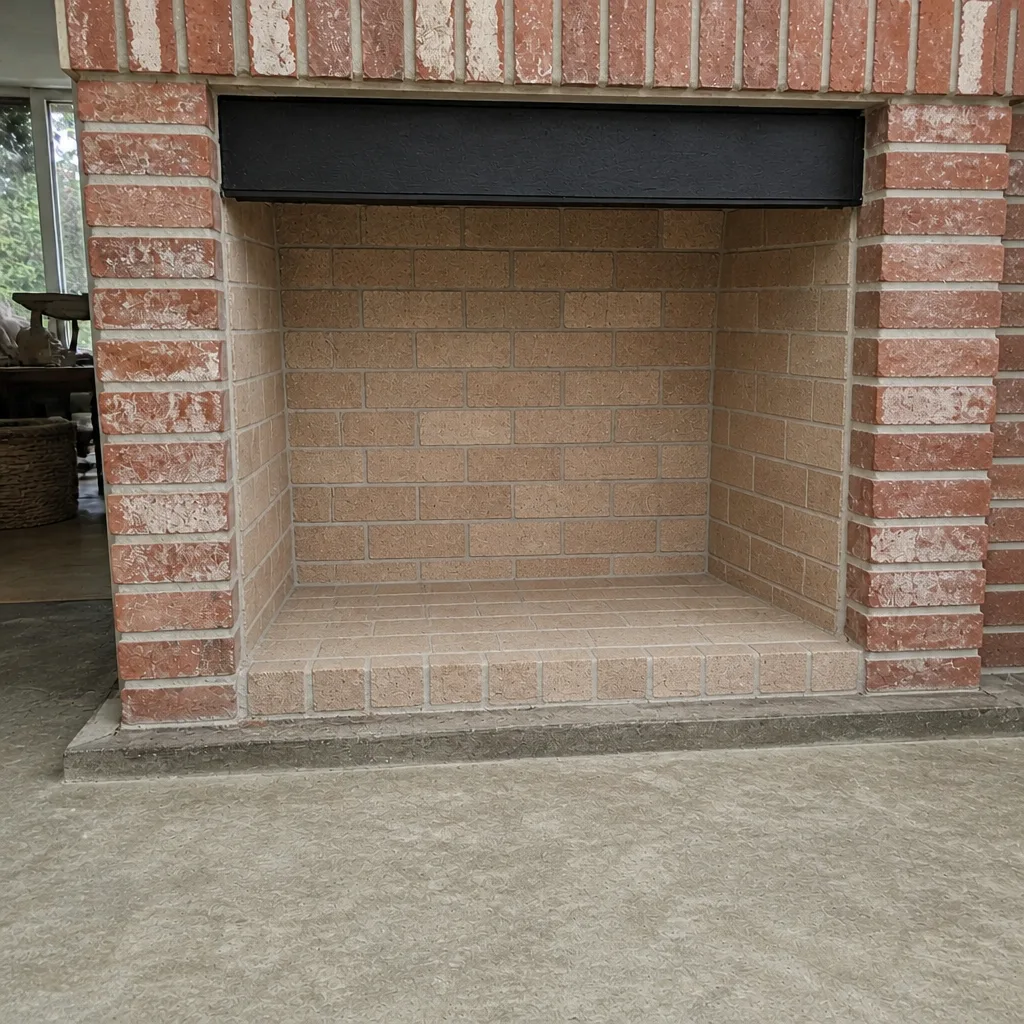
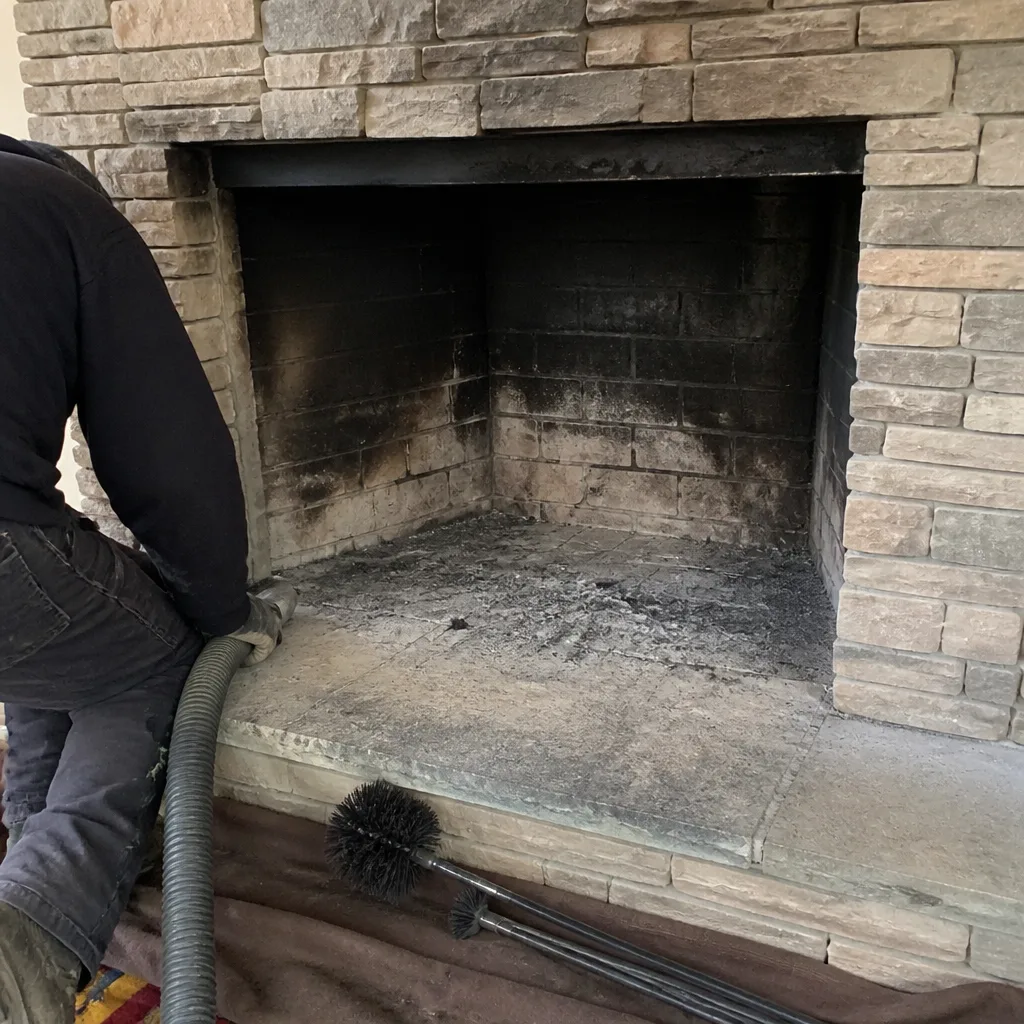
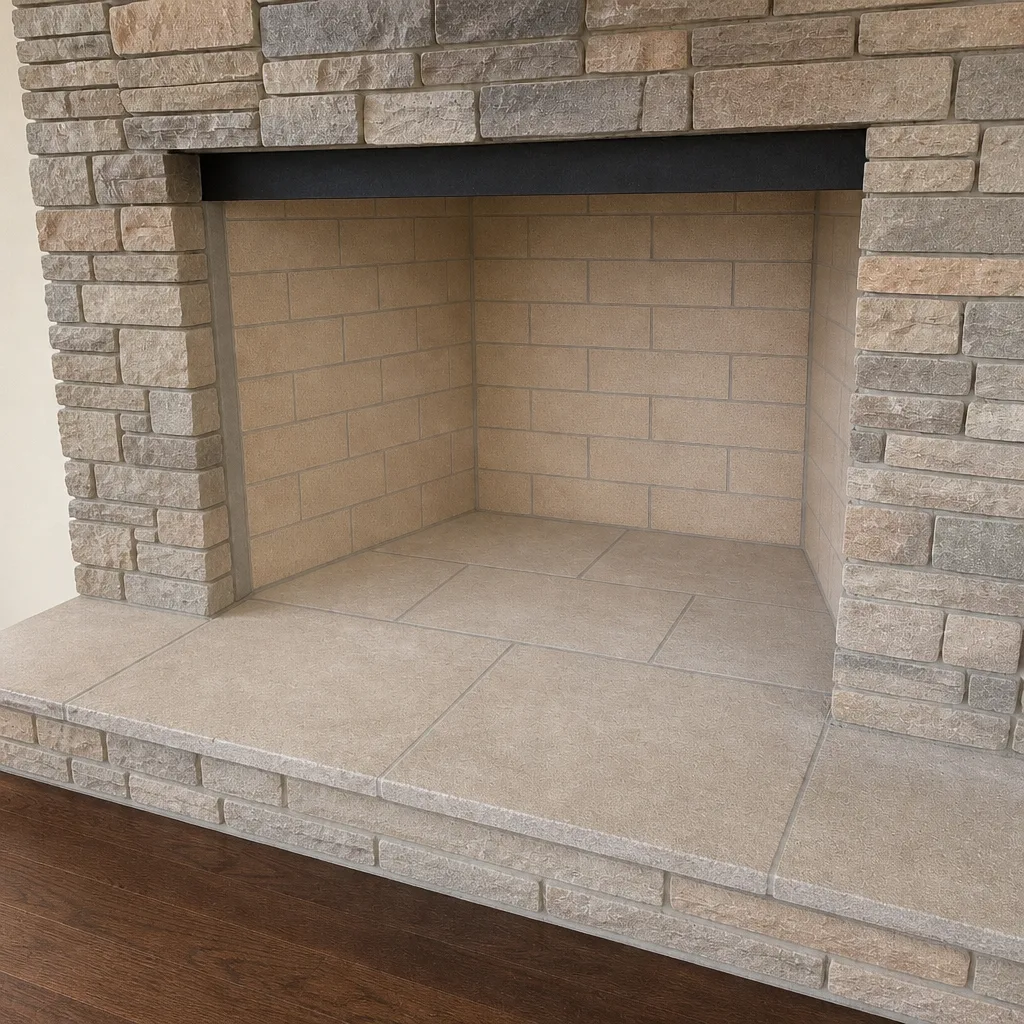
See the difference
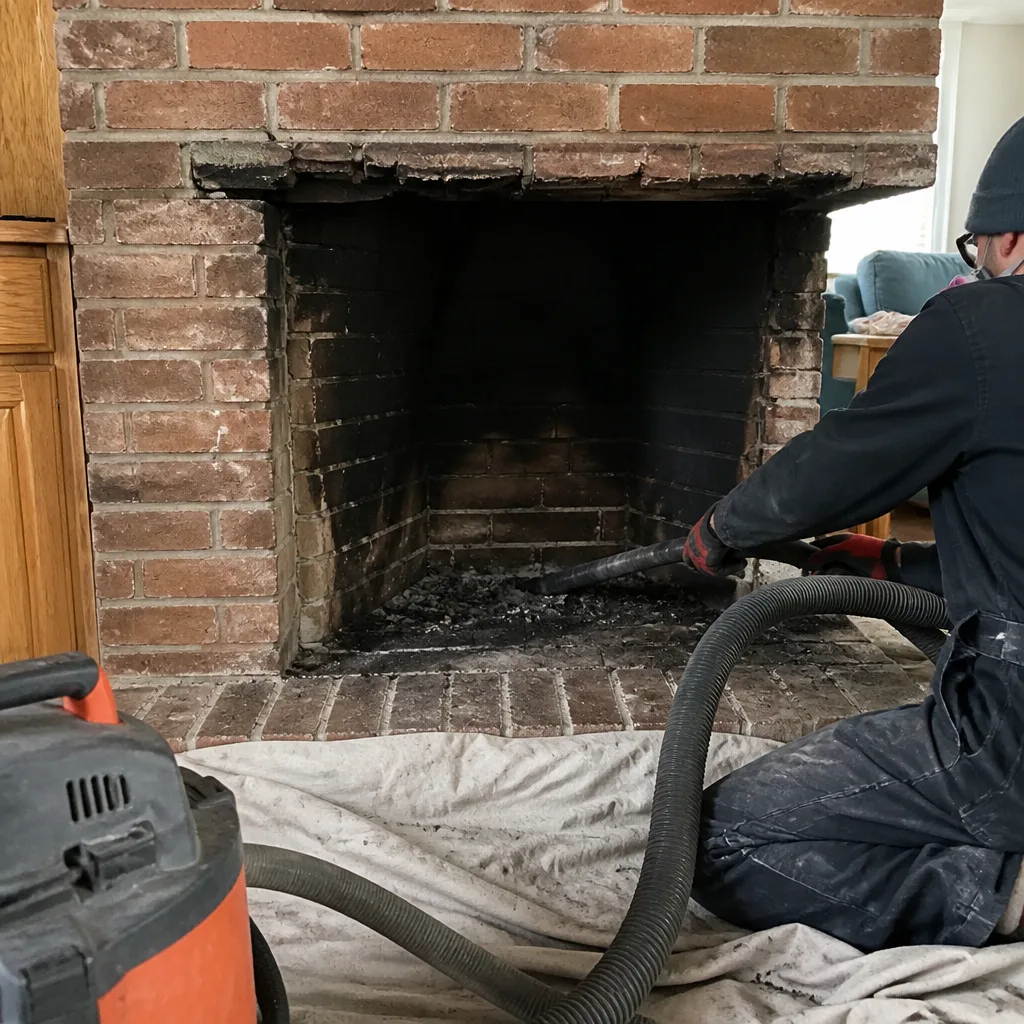 Before
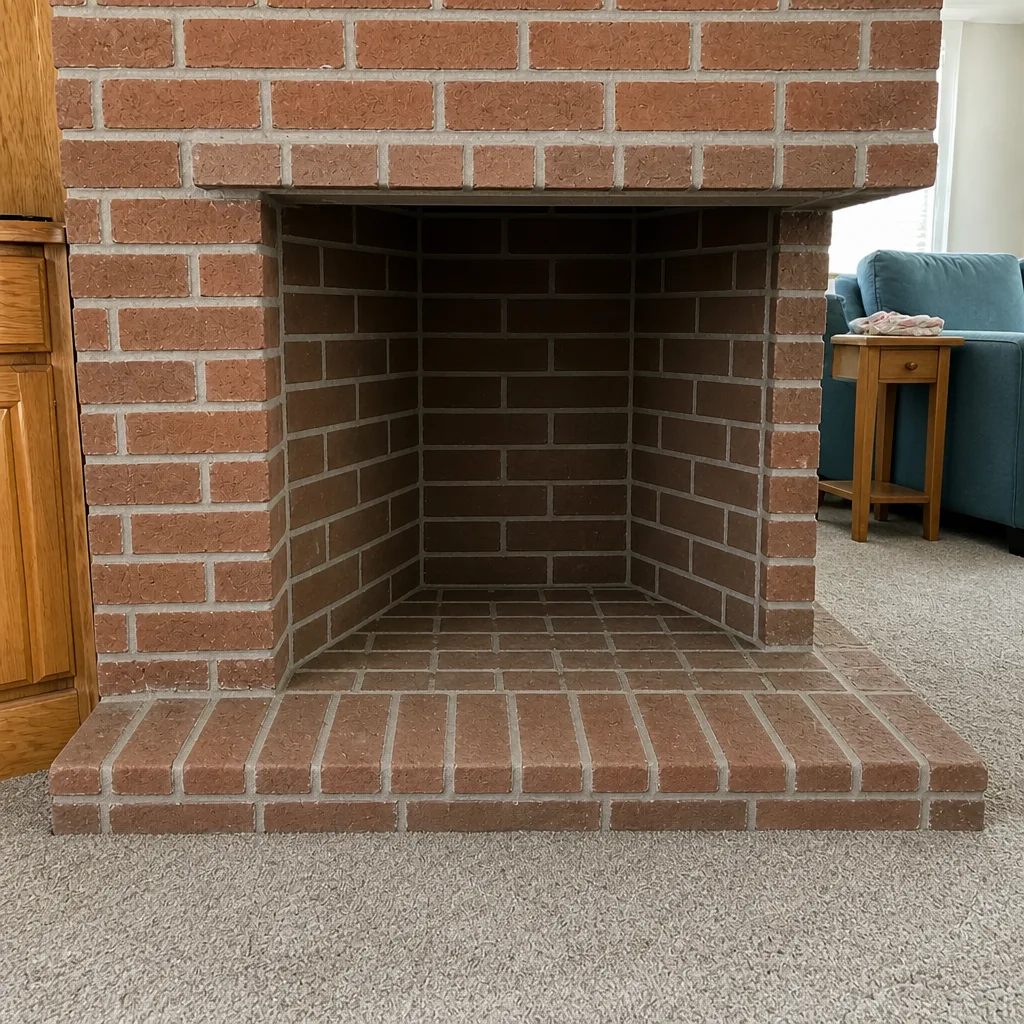 After
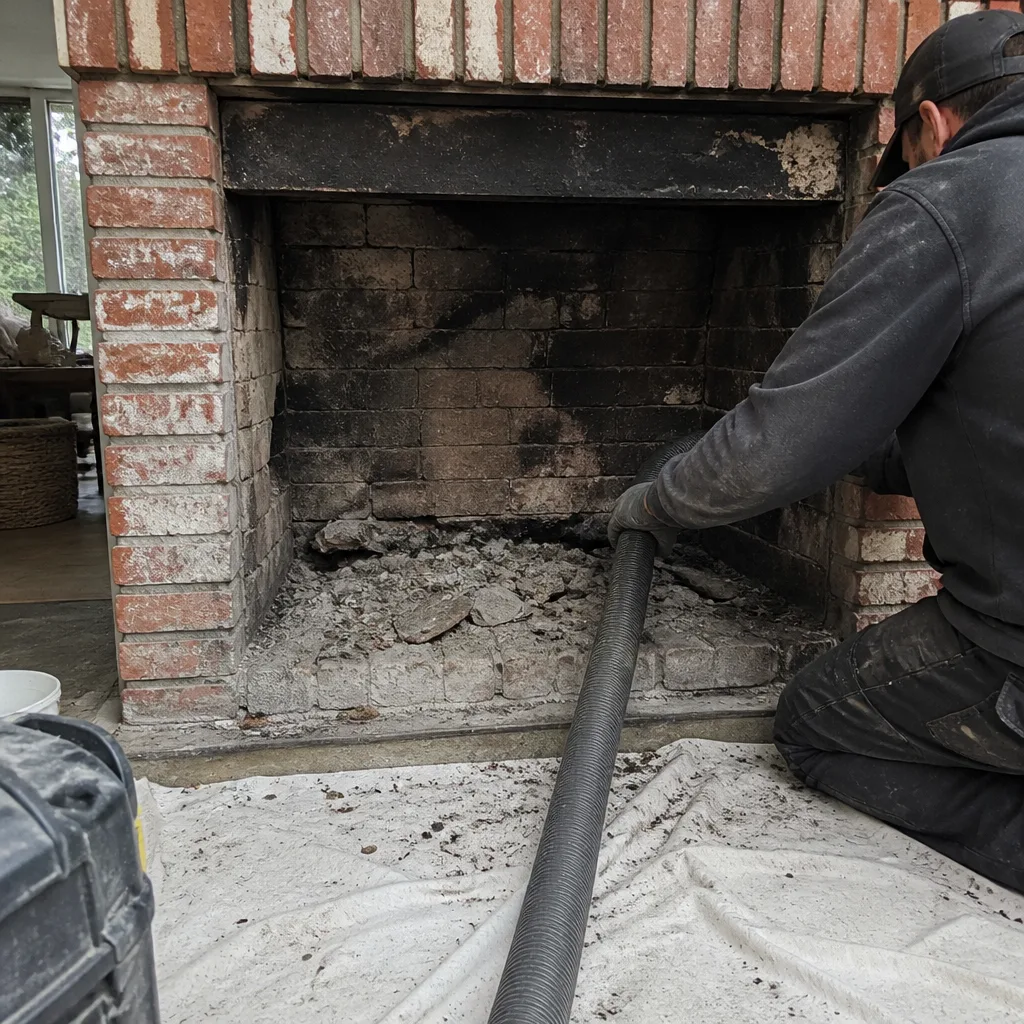 Before
 After
 Before
 After
When to Call a Professional
Some signs are obvious. Others show up only on inspection. Call a professional if any of these apply:
- You’ve been burning regularly for a year or more and can’t remember the last cleaning.
- You smell a strong, acrid creosote odor on warm days, even when nothing’s burning.
- You notice smoke backing into the room when you open the damper.
- The firebox brick or mortar looks cracked, or the damper sticks.
- The chimney cap is missing, damaged, or has visible debris.
- You’ve had a chimney fire, even a small one.
If you’ve never had a professional inspection, start there. Chimney Sweep Lynnwood offers free estimates in Lynnwood. Our technicians have up to 12 years of experience, and we answer 24/7. Call (855) 550-7286 for a free estimate. Fast dispatch from 7am to 7pm, Sunday through Friday.
Frequently Asked Questions
Chimney cleaning in Lynnwood typically costs $180 to $400 for a standard sweep and Level 1 inspection, with factory-built units and heavy creosote cases toward the upper end. The written estimate sets the final price, and estimates are free. Call (855) 550-7286 for an exact quote.
Annual cleaning is the right baseline for a regularly used wood-burning fireplace in Lynnwood, and twice-yearly is worth considering if you burn frequently or have an insert. Lynnwood’s cool, damp climate accelerates creosote buildup compared to drier regions, so the annual rule is a floor, not a ceiling. Call (855) 550-7286 for a free estimate on your specific system.
Not always. A liner is needed when the existing clay tiles are cracked, displaced, or missing – or when the flue is unlined and can’t safely contain the smoke and heat of a fire. A full liner isn’t the only option, though: HeatShield flue resurfacing can restore a structurally sound but deteriorated flue without full relining. The only way to know which you need is a Level 1 inspection with photo evidence. Call (855) 550-7286 for a free estimate.
Creosote continues to accumulate, and in Lynnwood’s damp climate it moves from flaky Stage 1 to hardened Stage 2 and eventually glazed Stage 3 faster than in drier regions. Glazed creosote is the leading cause of a chimney fire, and it does not come off with a standard brush. It also increases the chance of smoke backing up and of carbon monoxide entering the home if the flue is compromised. Call (855) 550-7286 for a free estimate.
No. Factory-built and zero-clearance fireplaces use their own manufactured flue systems with a specified inner diameter, and they need matched brushes and flexible rods to clean without damaging the internal components. The rod sets used on masonry can damage a factory-built flue. Tell us which type you have when you book, or we’ll identify it during the visit. Call (855) 550-7286 for a free estimate.
Yes. Inspection is a standalone service and you don’t need to bundle it with a cleaning. Our inspection is a Level 1 visual inspection with photo evidence, and we’ll tell you what it found whether or not you book any work. Call (855) 550-7286 for a free estimate.
The Bottom Line
Chimney cleaning in Lynnwood is a full-system process, not a flue-only brush job. The smoke chamber is where glazed creosote most often builds up in this climate, and it’s the zone most often skipped. Different flue types – clay tile, stainless, unlined, and factory-built – each have their own cleaning protocol; using the wrong one can cause damage or leave hazards behind. A good cleaning comes with a Level 1 inspection that documents what was found, recommends nothing without visible evidence, and tells you what can safely wait. And the right time to book is before the burning season starts.
If you’re not sure of your chimney’s condition, the answer isn’t to guess. Start with a sweep and an inspection, and get an honest, documented answer. Chimney Sweep Lynnwood provides sweeping, inspection, fireplace repair, chimney repair, and cap and crown installation, with professional-grade materials including HeatShield, Gelco, Olympia Chimney, and Famco. Call (855) 550-7286 for a free estimate. We answer 24/7. Fast dispatch from 7am to 7pm, Sunday through Friday.
Ready to book? Chimney Sweep Lynnwood for scheduling, chimney sweep for a full service overview, and fireplace repair or chimney repair if the inspection turns up a specific issue. Call (855) 550-7286. We answer 24/7. Fast dispatch from 7am to 7pm, Sunday through Friday.
Written by the team at Chimney Sweep Lynnwood.