
Last updated November 25, 2026
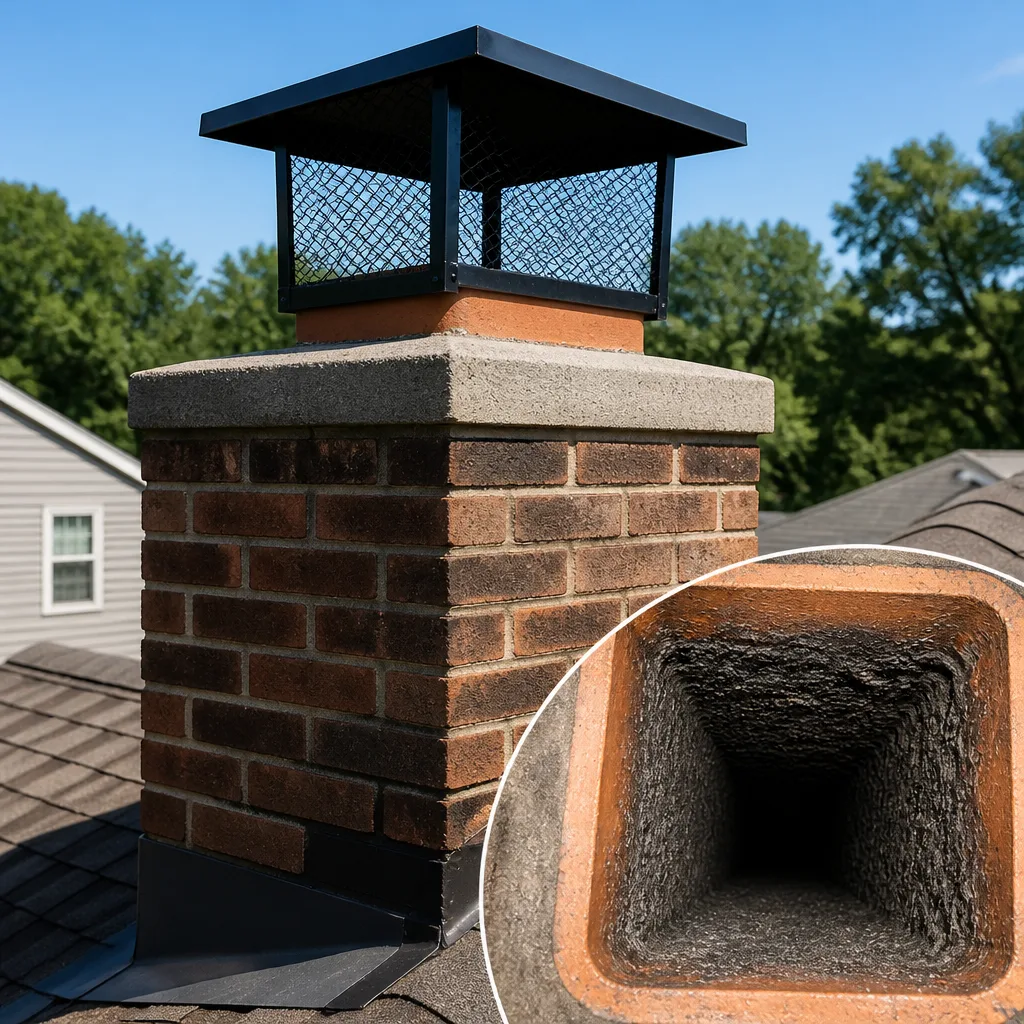 Sweep & inspection
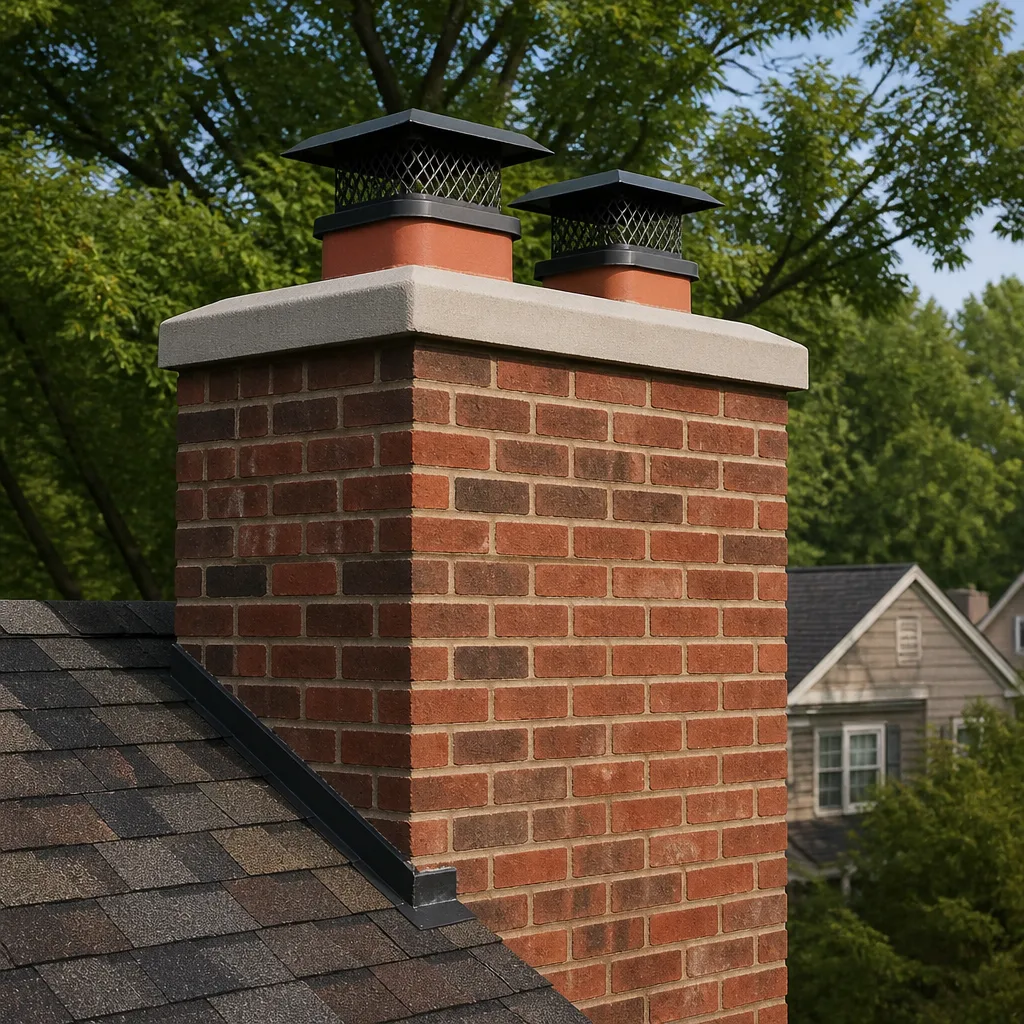 Caps & crowns
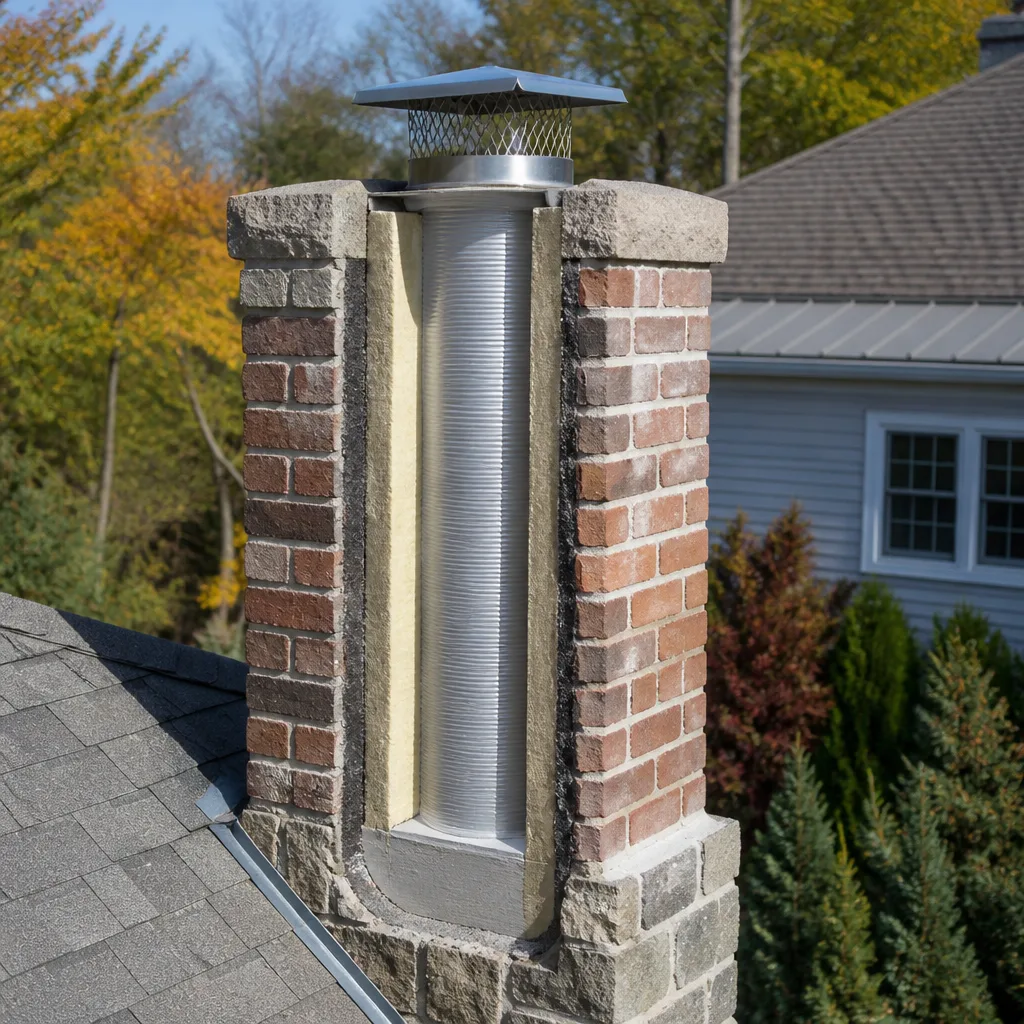 Flue relining
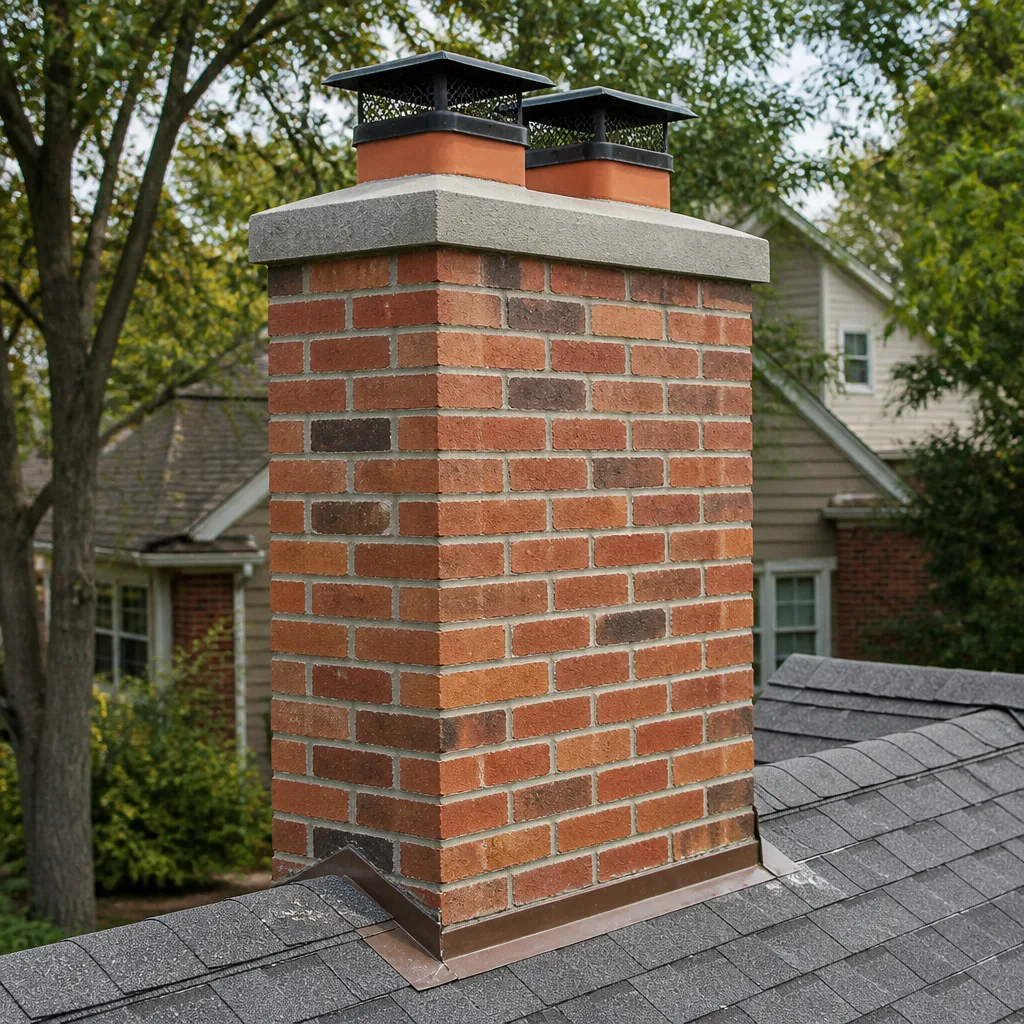 Masonry repair
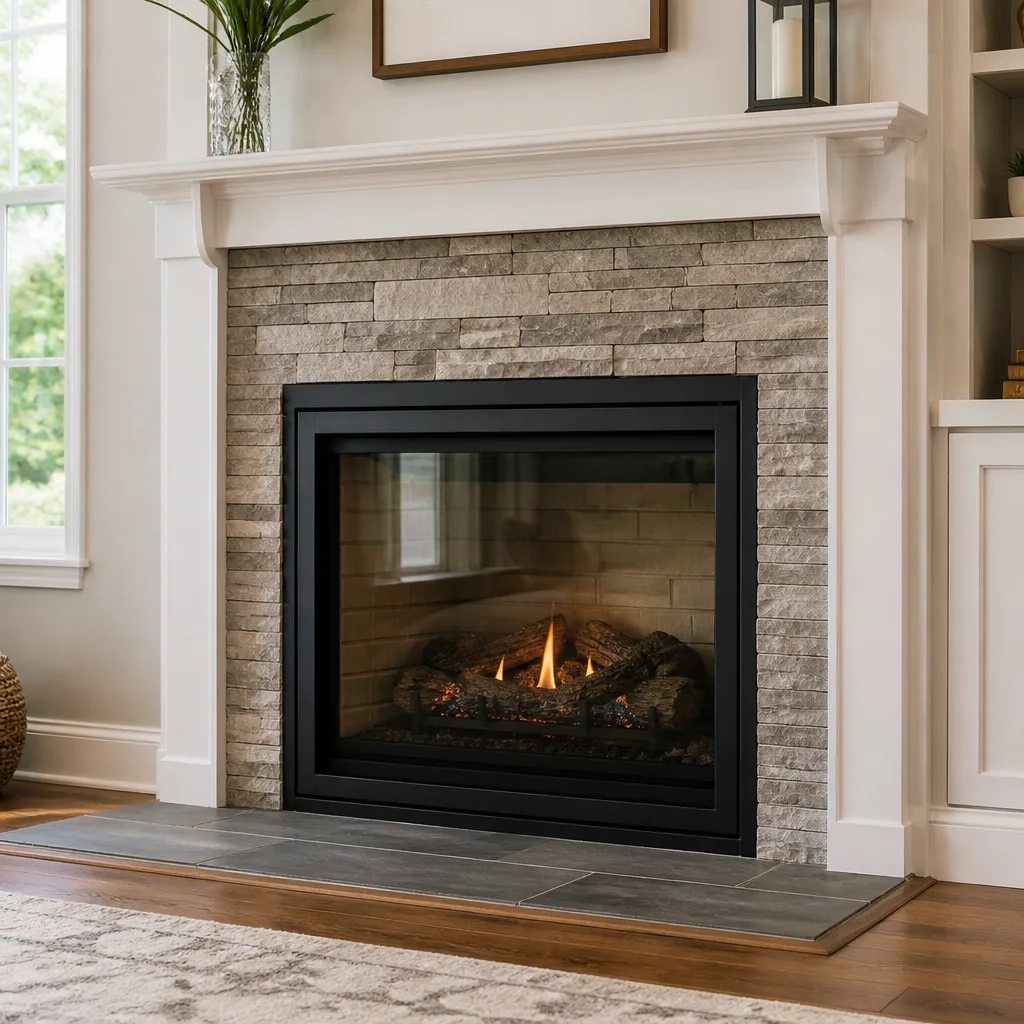 Gas fireplace service
Level 1 sweep and inspection to the NFPA 211 annual standard - flue, crown, cap, and flashing checked and photographed
Chimney sweep logs do not sweep chimneys. They loosen some creosote - which then falls where a brush and vacuum still have to collect it.
Choosing the Right Chimney Cleaning Brand: A Buyer’s Guide for Lynnwood
A technician finishes sweeping your flue and tells you the chimney needs a “waterproofing treatment.” What happens next matters more than most homeowners realize. There’s a real difference between a contractor spraying a hardware-store silicone sealant on your brick and one applying a vapor-permeable masonry water repellent engineered for the job. Most people have no way to tell which one they’re getting, because the label on the jug never appears on the invoice. That gap in product literacy is the actual buyer problem, and it’s what this guide closes. By the end, you’ll understand which professional products show up in chimney work around Lynnwood, what each one does, and how to tell whether a recommendation is technically sound or just convenient.
Quick Answer
When Lynnwood homeowners research “chimney cleaning brands,” they’re usually looking at product lines used during service, such as HeatShield, ChimneySaver, CrownCoat, and stainless liner systems, not company names. The right company is the one that can tell you which specific product it uses for your flue type and why, and that applies professional-grade materials distributed through the trade rather than whatever’s on a store shelf. Product literacy is how you evaluate whether a contractor’s recommendation is technically grounded or a sales pitch.
Styles & brands we work with
- Sweep & inspection
- Caps & crowns
- Flue relining
- Masonry repair
- Gas fireplace service
Table of Contents
- The Professional Product Categories You’ll Actually Encounter
- Why Vapor-Permeable Waterproofing Matters on Lynnwood Brick
- How to Judge a Contractor’s Material Standard
- Stainless Steel Liners: 304 vs. 316L Grade
- When HeatShield Is the Right Call, and When It Isn’t
- A Step-by-Step Way to Vet a Chimney Company
- Red Flags in Product Recommendations
- Questions to Ask Before You Book
The Professional Product Categories You’ll Actually Encounter
Chimney service uses a handful of distinct product categories, and each one solves a different problem. Knowing which category a contractor is talking about keeps you from approving the wrong fix. Here’s the map.
- Creosote modifiers (e.g., Anti-Creo-Soot). A catalytic powder or liquid burned in the firebox that changes the chemistry of creosote so it’s easier to brush away. It’s a supplement to mechanical sweeping, never a replacement. It cannot remove a heavy glaze on its own.
- Smoke chamber resurfacing compounds (e.g., HeatShield Cerfractory Foam). Applied to the smoke chamber, the tapered space above the damper. This restores a smooth surface so smoke moves efficiently and doesn’t collect in the rough corbels of older masonry.
- Crown sealers (e.g., CrownCoat). A flexible coating for the concrete crown at the top of the chimney. The crown sheds water away from the flue; cracks in it let water straight into the masonry. A proper crown sealer bridges small cracks and flexes with the concrete rather than cracking itself.
- Water repellents (e.g., ChimneySaver). A breathable treatment applied to the exterior masonry so water beads off the brick while vapor still escapes from inside. This is the product category most often misrepresented.
We stock and install products from professional trade brands precisely because each category exists for a reason. A general handyman crew that does chimneys “on the side” typically buys from a big-box aisle and applies one product to every problem. A chimney-only specialist knows which of these four categories applies to your flue, and when none of them do. Around Lynnwood, where wet winters put masonry under repeated freeze-thaw and rain saturation, knowing the difference between categories is the whole ballgame.
Why Vapor-Permeable Waterproofing Matters on Lynnwood Brick
Brick is porous, and so is the mortar between it. When water soaks into a Lynnwood chimney and then freezes, it expands, and the surface spalls and flakes. Over several winters, that cycle eats mortar joints and weakens the structure. A water repellent is meant to stop the water at the surface before it reaches the masonry. But not every repellent is right, and the wrong one makes things worse.
The distinction is vapor permeability. A breathable water repellent (like a ChimneySaver formula) lets moisture that’s already inside the chimney escape as vapor while blocking liquid water from getting in. A non-breathable sealer, such as a silicone or acrylic film, traps that interior moisture behind a barrier. That trapped moisture pushes outward and can pop the sealer off or, worse, drive the water deeper into the brick where it does the most damage.
So the question to ask isn’t “will you waterproof my chimney.” It’s this: “Which specific product are you applying, and is it vapor-permeable?” A contractor who can name the product and explain its permeability is working from a technical standard. One who says “a sealer” and can’t go further is guessing. That’s why we work with products designed for masonry rather than general-purpose sealants.
There’s a second rule that matters just as much: never seal over an active moisture problem. If water is getting into the chimney through a cracked crown, a missing cap, or failed flashing at the roofline, applying a repellent on top of that just traps the water you’re trying to keep out. The source gets fixed first, and only then does waterproofing make sense. Before water ever reaches the masonry, the cap and crown have to be doing their job.
How to Judge a Contractor’s Material Standard
Here’s a useful proxy for operational seriousness: where a contractor sources their materials. Professional chimney trade distribution is its own channel, separate from retail. DuraFlex liner systems, HeatShield compounds, Gelco caps, and Olympia Chimney components are sold through that trade channel, not the general public aisle. A company that specifies these by name is buying from distributors who serve the trade, which also means they’ve had the product training that comes with it.
This isn’t snobbery about brands. It’s about what the sourcing tells you. A crew that reaches for whatever’s convenient is signaling that the chimney is a side job for them. A crew that names the product line and can explain the choice is signaling that the chimney is what they do.
You can test this in one conversation. Ask three questions:
- “What product would you use on my flue, and why that one?” A technical answer names the product and the condition it solves.
- “Where do you source it?” Reference to trade brands and professional suppliers is a good sign.
- “What happens if the problem turns out to be something different?” A confident answer is “we inspect first and recommend based on evidence, not upfront.”
We work with these brands because the materials are engineered for the specific problems a Lynnwood chimney presents, from flexible liners that navigate older flues to ceramic resurfacing that restores a failing smoke chamber without a full tear-out. The brand is the means; the diagnosis is the point. A company should be able to tell you why it chose DuraFlex over a rigid liner for your particular flue, or why it isn’t recommending a reline at all.
Stainless Steel Liners: 304 vs. 316L Grade
A chimney liner is the stainless steel flue that carries smoke and gases up and out of the house. When the original clay tile liner is cracked, deteriorated, or missing entirely, a modern stainless liner is the standard fix. The metal grade matters, and this is where product knowledge directly affects your safety.
Two grades come up in residential work:
- 304-grade stainless. A general-purpose alloy. It resists heat and corrosion reasonably well and is often used in applications with less aggressive conditions.
- 316L-grade stainless. Contains molybdenum, which gives it much better resistance to corrosion, including from the acidic byproducts of burning wood. The “L” stands for low carbon, which improves weldability and durability.
For wood-burning appliances, 316L is the grade you want. Wood smoke carries moisture and creosote acids that are tough on metal over the life of the liner. A 304 liner in a wood-burning flue may be acceptable in some conditions, but 316L is the more durable, corrosion-resistant choice for this application, and it’s what we recommend for wood fires. A flexible system like DuraFlex is engineered to be slid down a flue that isn’t perfectly straight, which most Lynnwood-area chimneys from older construction aren’t.
Here’s how to verify what you’re getting: ask the contractor to tell you the alloy grade in writing on the estimate, and ask to see the product label or spec sheet when the work begins. A liner is a long-lived component, and you’re entitled to know the metal that’s going into your chimney. A contractor who can’t name the grade, or who deflects the question, is telling you something.
When HeatShield Is the Right Call, and When It Isn’t
HeatShield is a ceramic resurfacing system, and its value is that it can restore certain damaged flues without a full liner replacement. It’s applied to the interior of the flue to seal cracks and smooth rough surfaces. For the right candidate, it preserves the original flue and costs less than a reline. For the wrong candidate, it’s money spent on a fix the flue didn’t need, or a bandage on a problem too far gone.
That’s why we treat HeatShield as a diagnostic tool, not a default upsell. Listen for how a contractor talks about it:
- A sound recommendation comes after a camera inspection. The technician shows you the cracks or gaps that HeatShield would address.
- It’s applied when the flue structure is sound enough to support it, and it’s the right size and condition for the treatment.
- It isn’t recommended for a flue that’s already failed structurally or has gaps too large to bridge. That flue needs a new liner.
We’re HeatShield-certified to apply it, but certification isn’t the reason to book a given job. The reason is that the inspection points to it. A chimney inspection tells you exactly what’s failing and what the right fix is, whether that’s HeatShield, a flexible DuraFlex liner, or simply a sweep and a cap. If a contractor recommends HeatShield before looking down your flue with a camera, ask to see what they’re seeing.
A Step-by-Step Way to Vet a Chimney Company
You don’t need to become a chimney technician to pick the right company. You need a sequence. Here’s one that works.
- Match the service list to the trade. A chimney-only company offers sweep, inspection, fireplace repair, chimney repair, and cap and crown work as distinct services. If chimney work is one line among many in a general handyman ad, keep looking.
- Ask for the material names. Before booking, ask: “Which products do you use for liners, resurfacing, and waterproofing?” A specialist answers without hesitation.
- Confirm inspection is standalone. You want a company that will inspect your chimney without forcing a sweep-and-repair bundle. An inspection that isn’t tied to a sale is honest intelligence.
- Ask about camera evidence. A proper inspection uses a camera and shows you what it found. If they can’t show you, don’t approve work based on a verbal “it’s bad.”
- Check the liner grade. If a reline is on the table, get the alloy grade in writing.
- Compare the written estimate. A flat-price sweep agreed before booking, and a written estimate that sets the final price for anything more, is the standard to expect.
- Ask what can wait. A solid company will tell you when a repair is not urgent, and why. That honesty is more valuable than any discount.
Run this sequence on a couple of Lynnwood-area companies and the difference becomes obvious fast. For the service basics, you can also compare what a standard chimney sweep includes before you start calling.
Red Flags in Product Recommendations
Some product advice is simply wrong, and it’s worth knowing the patterns.
- Chimney cleaning logs offered as a substitute for mechanical sweeping. These products (creosote modifiers) are real and can help loosen creosote, but they don’t remove it. A chemical log is a supplement to a brush and a vacuum, not a replacement. If someone tells you a log means you can skip the sweep, that’s a red flag.
- Sealant sprayed over active moisture. Waterproofing a chimney that’s leaking through a bad crown or missing cap traps the water behind the sealer. The source gets fixed first. A contractor who water-seals a leaking chimney is creating a worse problem.
- Non-breathable sealant on brick. A general-purpose sealer that doesn’t let vapor escape will fail and can damage the masonry. Ask whether the product is vapor-permeable.
- One product for every problem. There’s no single treatment that handles a cracked crown, a rough smoke chamber, and a deteriorated flue. If every chimney gets the same product, the company isn’t diagnosing.
- A reline recommended with no camera evidence. A liner is a significant investment. You’re entitled to see the condition that justifies it. A “trust me” recommendation is not evidence.
- Language that dodges specifics. “A sealer,” “a liner,” “some cement,” and “a treatment” are all red flags when you asked for a product name. A specialist names the product and the reason.
We’ve seen enough of these to have a fixed rule: nothing gets recommended without evidence you can see for yourself. If a recommendation comes without a camera image or a physical inspection you can follow, treat it with suspicion.
Questions to Ask Before You Book
These are the questions that separate a sales conversation from a technical one.
Which specific product will you use on my chimney, and why?
A specialist answers with a product name (a specific water repellent, a liner grade, a resurfacing compound) and the condition it solves. A generalist answers with “a treatment” or “a sealer.” For Lynnwood chimneys, the answer should also reflect the wet, freeze-thaw winters the masonry climate here creates. If the company can’t connect the product to your flue type and your local conditions, the recommendation is generic.
Is your waterproofing vapor-permeable?
It should be. Vapor-permeable repellents let interior moisture escape while blocking exterior water. Non-breathable sealants trap moisture and fail. Ask the question and listen for a clear “yes” with a product name.
What grade of stainless steel goes in a liner, and will you put it in writing?
For wood-burning, you want 316L-grade stainless, and you want it documented on the estimate. A contractor who hesitates to put the grade in writing is a reason to slow down.
Will you inspect with a camera before recommending repairs?
A camera inspection and photo report should be included. It lets you see the condition of the flue, smoke chamber, and damper, and it means any recommendation is based on what’s actually there.
Do you offer inspection as a standalone service, or only in a bundle?
Standalone inspection is the honest arrangement. It means you’re paying for information, not a package. If every inspection turns into a repair pitch, you’ve learned something about how the company operates.
What can safely wait?
A good answer separates immediate safety issues (creosote buildup, a cracked flue, a failed crown) from maintenance items that can wait a season. If a company tells you everything is urgent, you’re being sold.
Common Mistakes to Avoid
- Buying on price alone. A low sweep price often comes with a high-pressure repair pitch once the technician is on the roof. Compare the written estimate, including the diagnostics, not just the cleaning fee.
- Treating waterproofing as a given. On a Lynnwood brick chimney, waterproofing is genuinely useful, but only with a vapor-permeable product and only after any water source is fixed. Skipping that sequencing can cause masonry damage.
- Letting a chemical log stand in for a sweep. A creosote modifier is not a substitute for brushing. If you rely on it, creosote keeps building up, and that’s a fire risk, not a cosmetic problem.
- Approving a liner without knowing the grade. You’re paying for a long-lived component. Demand 316L for wood-burning and get it in writing.
- Skipping the standalone inspection. Bundled inspections tend to find exactly what the bundle’s repair prices cover. A standalone inspection keeps the advice honest.
- Ignoring the crown and cap. Water intrusion at the top is a major cause of masonry damage. If the crown is cracked or the cap is missing, that’s the first fix, not a waterproof coat over the top.
- Hiring a generalist handyman for chimney work. A crew that does chimneys on the side won’t have the trade product knowledge to tell a HeatShield candidate from a reline candidate. That distinction affects safety and cost.
See the difference
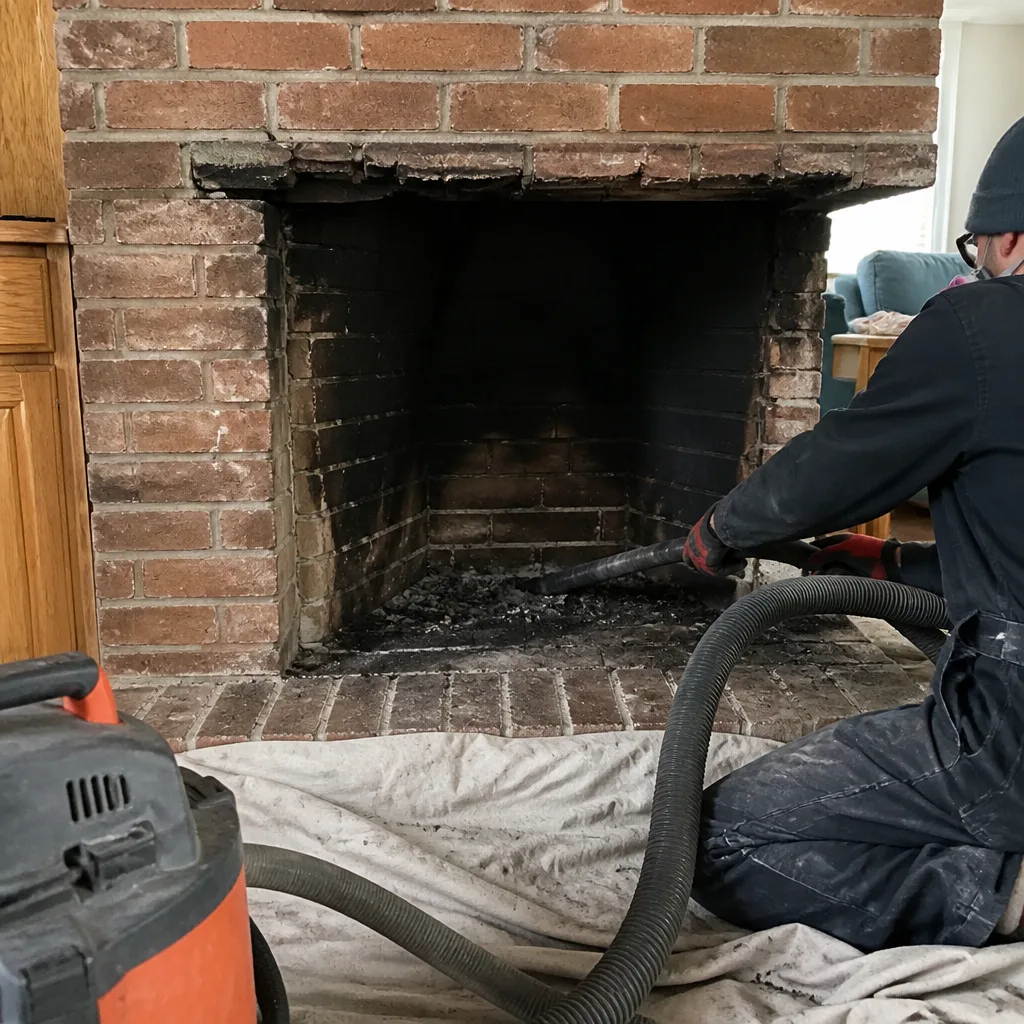 Before
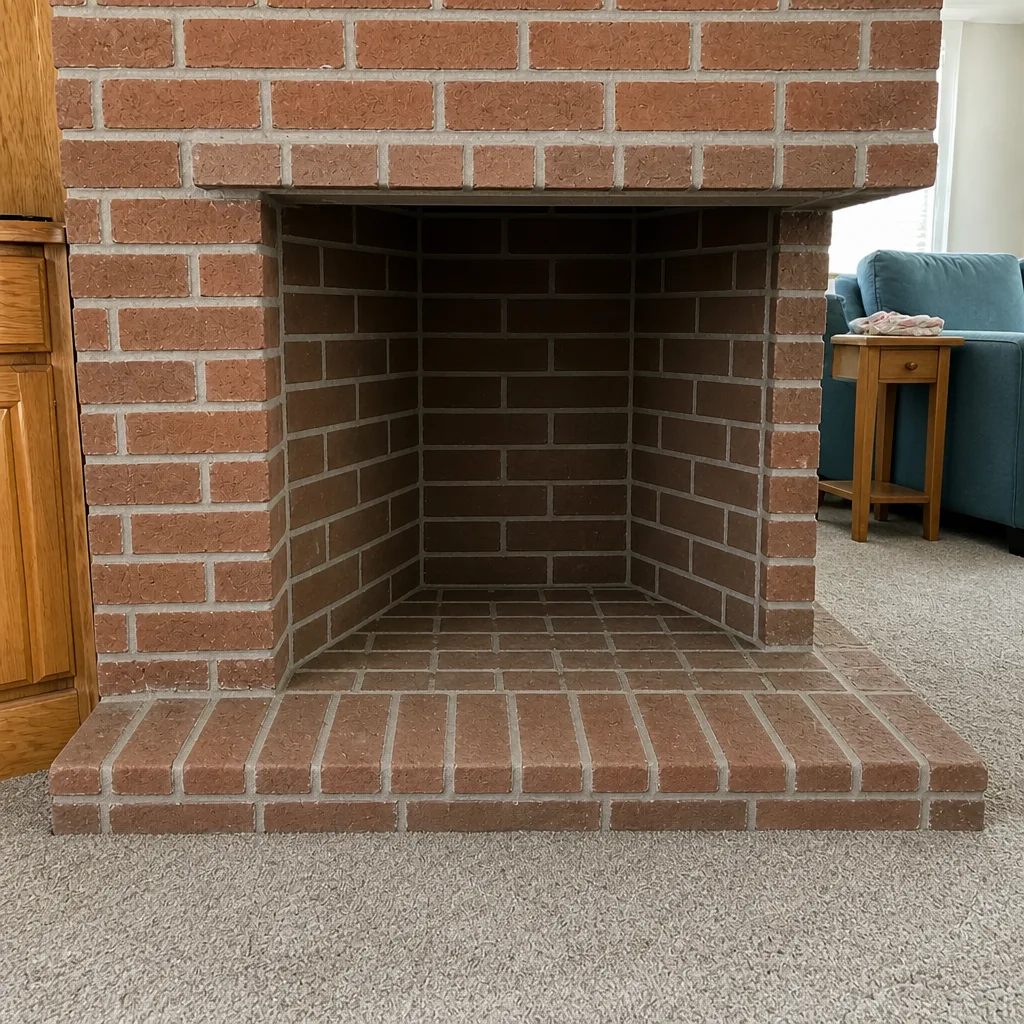 After
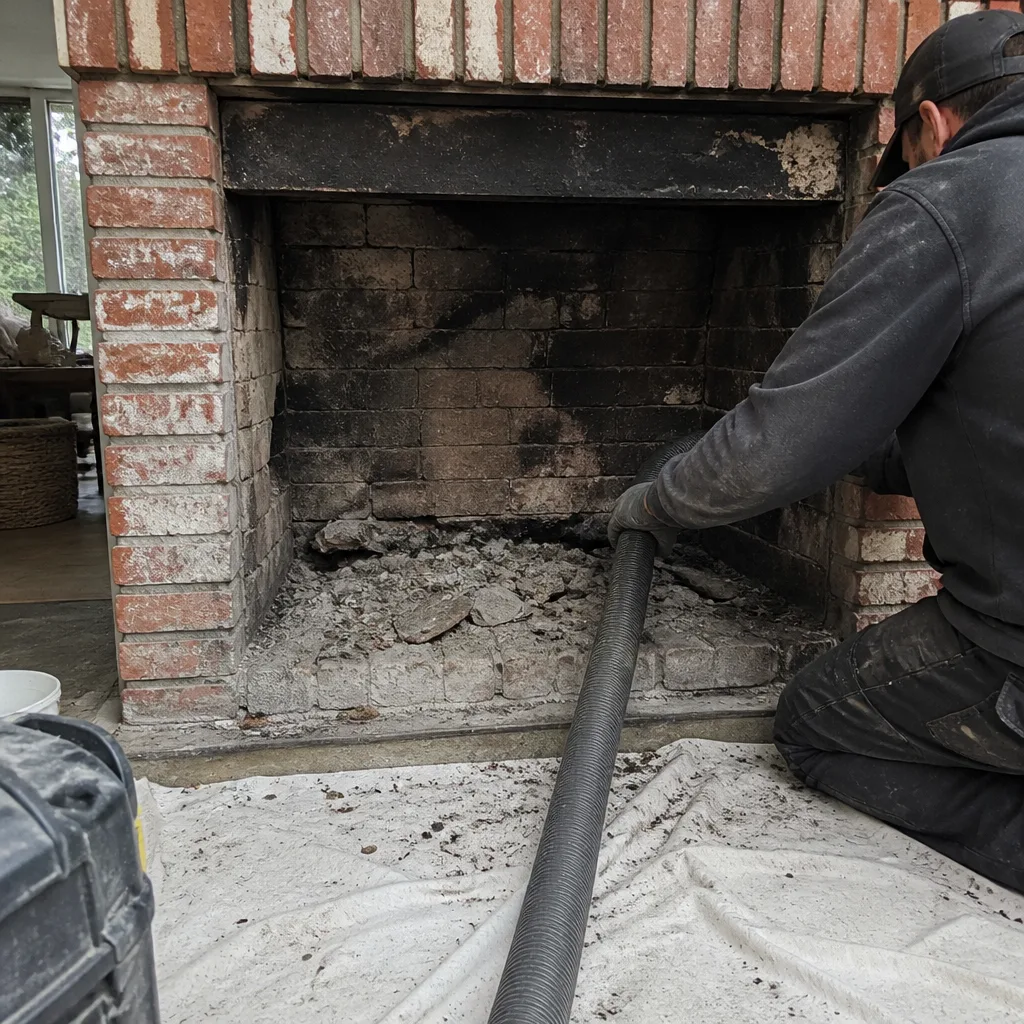 Before
 After
 Before
 After
When to Call a Professional
Some chimney work is genuinely out of reach for a homeowner, and it’s worth being specific about what. Anything involving high-tension work at the roofline, a damaged or missing crown, deteriorated flashing, or a flue that needs relining should go to a trained professional. Creosote removal has real fire risk behind it, since a heavy glaze buildup inside a flue can ignite, and carbon monoxide from a blocked or failed flue is a genuine hazard, not a hypothetical one. Don’t attempt to clear a flue or open a smoke chamber yourself. If you’ve noticed a cracked crown, a missing cap, water stains in the firebox, or a home inspector flagged the chimney, that’s a call, not a project.
Chimney Sweep Lynnwood offers free estimates in Lynnwood. Call (855) 550-7286. We answer 24/7. Fast dispatch from 7am to 7pm, Sunday through Friday. If you need repair beyond the cleaning, our chimney repair team works from the same camera inspection, so nothing gets recommended without evidence you can see.
Frequently Asked Questions
A standard sweep is typically priced as a flat price agreed before booking, with repairs estimated separately. The estimate is free, and the written estimate sets the final price for anything beyond the sweep. Pricing is per job by estimate, so the number depends on your flue, access, and what the inspection finds. Call (855) 550-7286 for an exact quote; estimates are free.
Not necessarily, and that’s why the inspection comes first. A new liner is warranted when the flue is cracked, deteriorated, unlined, or its structure can’t support a resurfacing system like HeatShield. If the flue is sound, a sweep and a cap may be all you need. Ask to see the camera evidence, and get the liner grade (316L for wood-burning) in writing if a reline is recommended.
Sweep frequency depends on how much you burn and what you burn. A home that uses the fireplace regularly will need it more often than one that lights a fire occasionally, and you should have it inspected if you notice creosote buildup, smoke backing up, or after any chimney fire. The safest approach in a Lynnwood home with a working fireplace is an inspection on a regular schedule, with sweeping when the inspection shows it’s needed. Call (855) 550-7286 to book one.
Creosote accumulates in the flue, and heavy creosote can ignite, which is a genuine chimney fire risk; a blocked or damaged flue can also let carbon monoxide into the home. Beyond fire and gas danger, water intrusion through a failed crown or missing cap damages the masonry over time. Skipping maintenance doesn’t remove those risks; it just postpones dealing with them. Call (855) 550-7286 to get an inspection on the calendar.
Yes, with the right product and the right sequencing. A vapor-permeable masonry water repellent protects brick from the wet, freeze-thaw conditions that degrade chimneys here, but any active water source (a cracked crown, missing cap, or bad flashing) must be fixed first. Ask which specific product the company uses and whether it’s vapor-permeable. If you want the whole-system view, we can also look at fireplace repair at the same visit.
No. A creosote modifier (like Anti-Creo-Soot) can loosen deposits and make brushing easier, but it doesn’t remove creosote. Mechanical sweeping is how the flue actually gets cleaned. A contractor who suggests a log can replace the sweep is giving you bad advice, and that’s a reason to find another company.
The Bottom Line
The brand you’re really choosing isn’t a manufacturer’s logo; it’s the company’s standard for choosing and applying professional-grade materials. A sound chimney company in Lynnwood can name the product for each problem (a vapor-permeable repellent for masonry, 316L stainless for a wood-burning liner, HeatShield only when the flue supports it), sources from the professional trade channel, inspects with a camera before recommending anything, and tells you when a repair can wait. Apply that standard to any company you consider, ask the specific questions, and you’ll make a decision you can stand behind. If you’d like to start your research with a sweep, our team at Chimney Sweep Lynnwood can help.
Call (855) 550-7286 for a free estimate. We answer 24/7. Fast dispatch from 7am to 7pm, Sunday through Friday.
Written by the team at Chimney Sweep Lynnwood.