
Last updated November 25, 2026
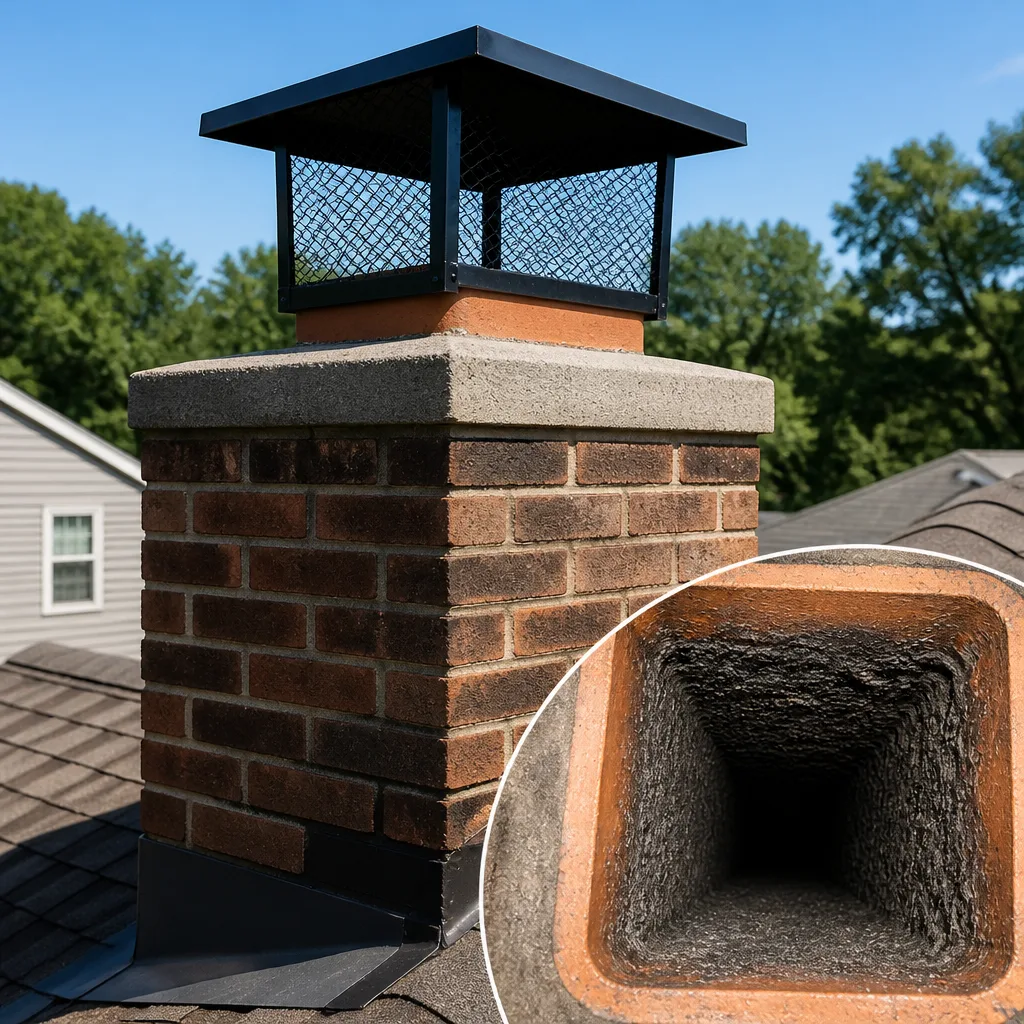 Sweep & inspection
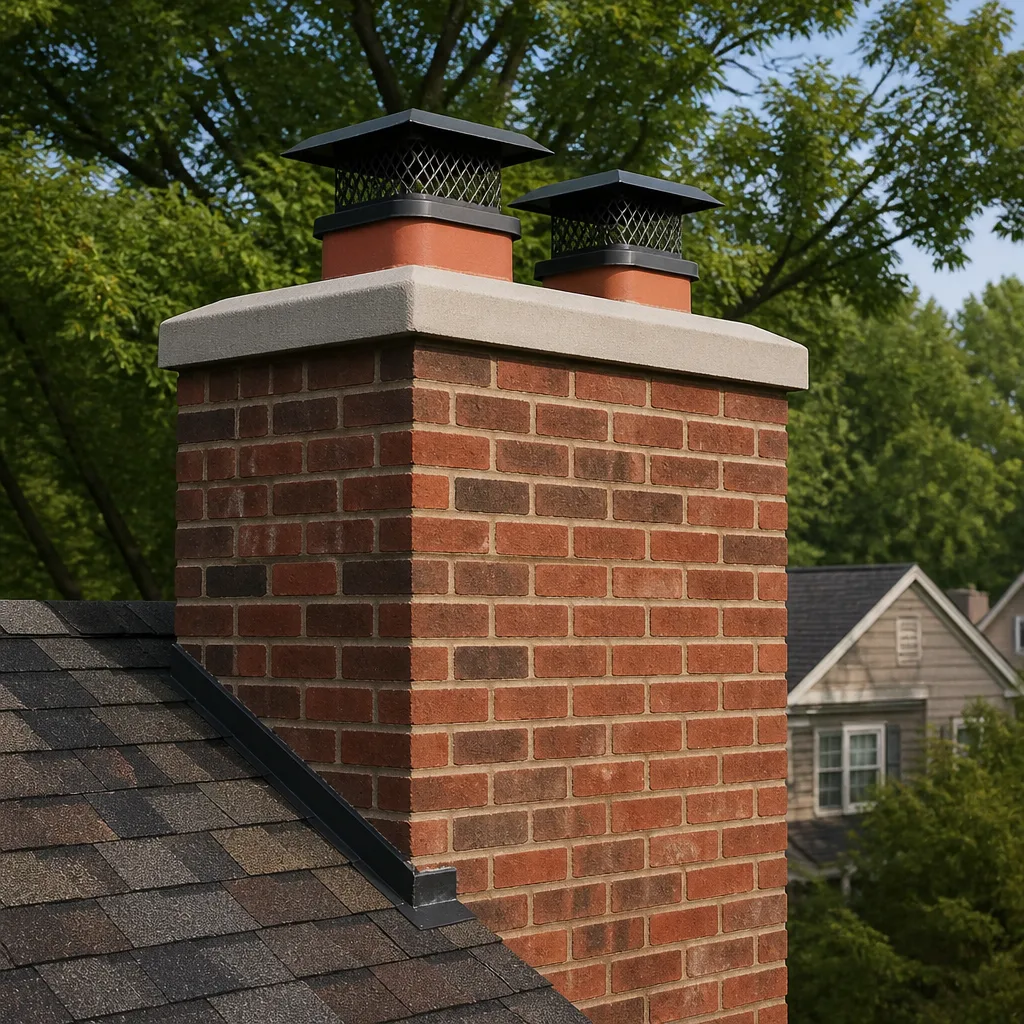 Caps & crowns
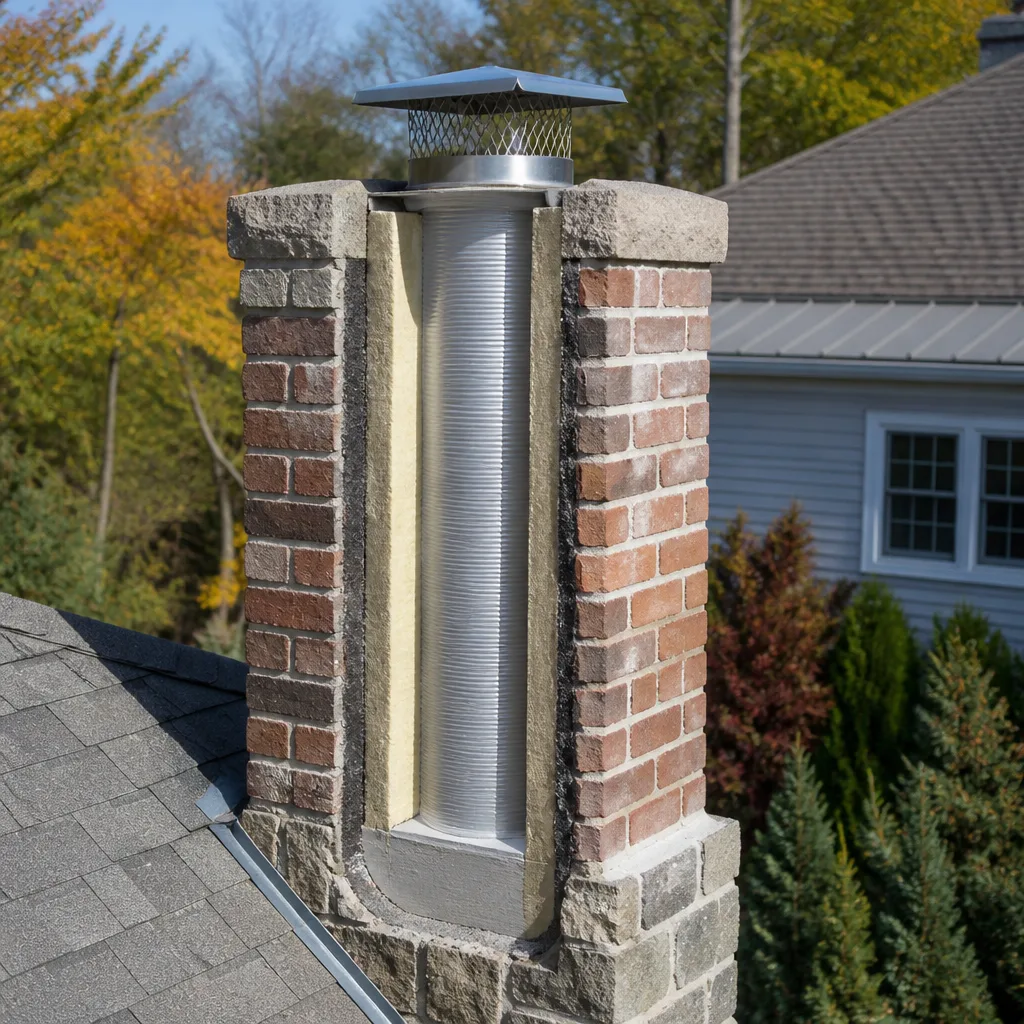 Flue relining
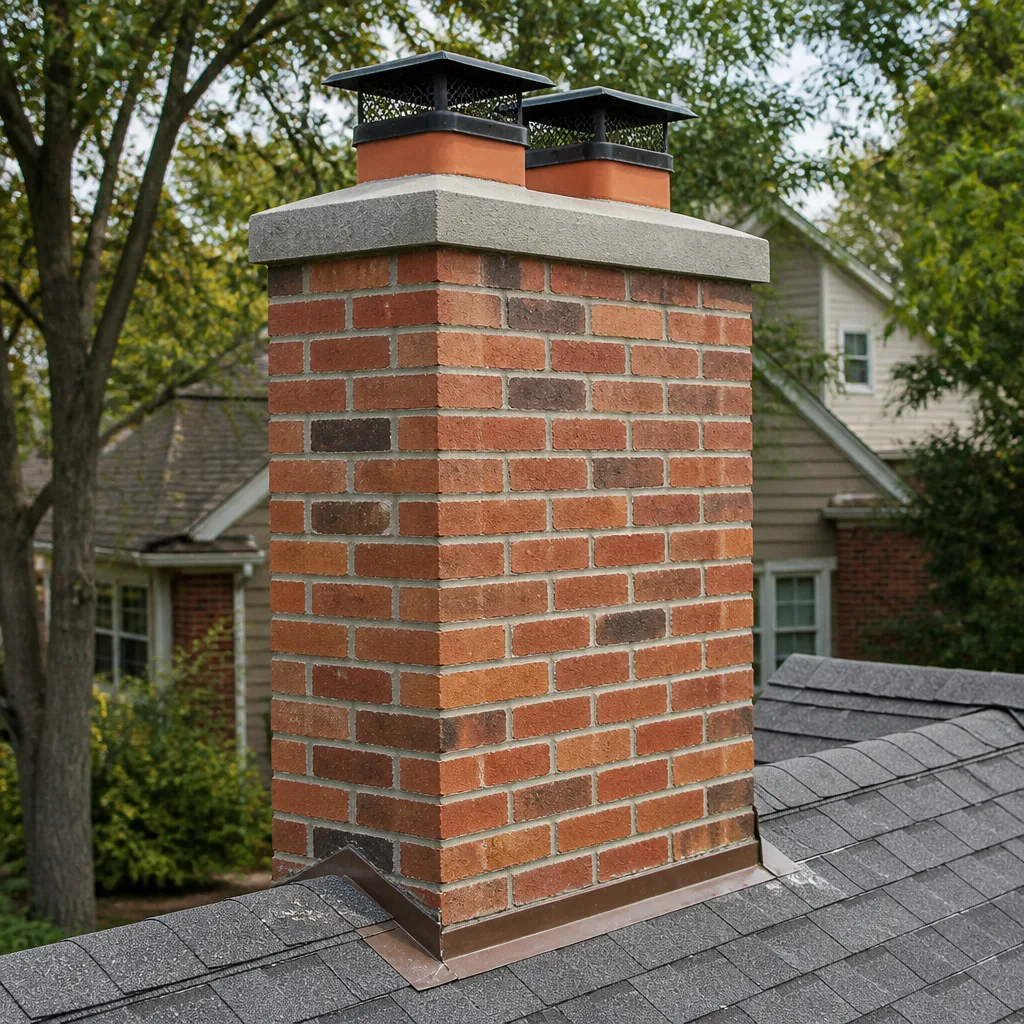 Masonry repair
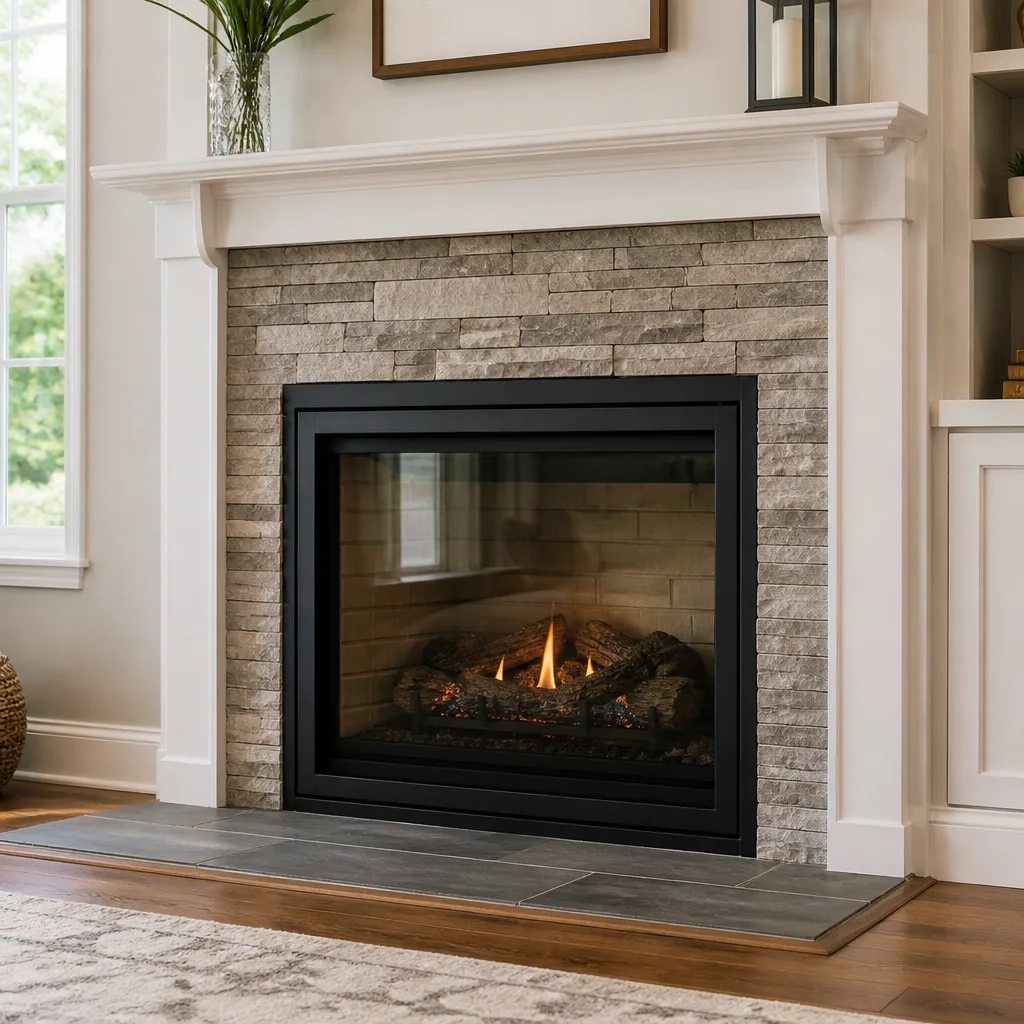 Gas fireplace service
Level 1 sweep and inspection to the NFPA 211 annual standard - flue, crown, cap, and flashing checked and photographed
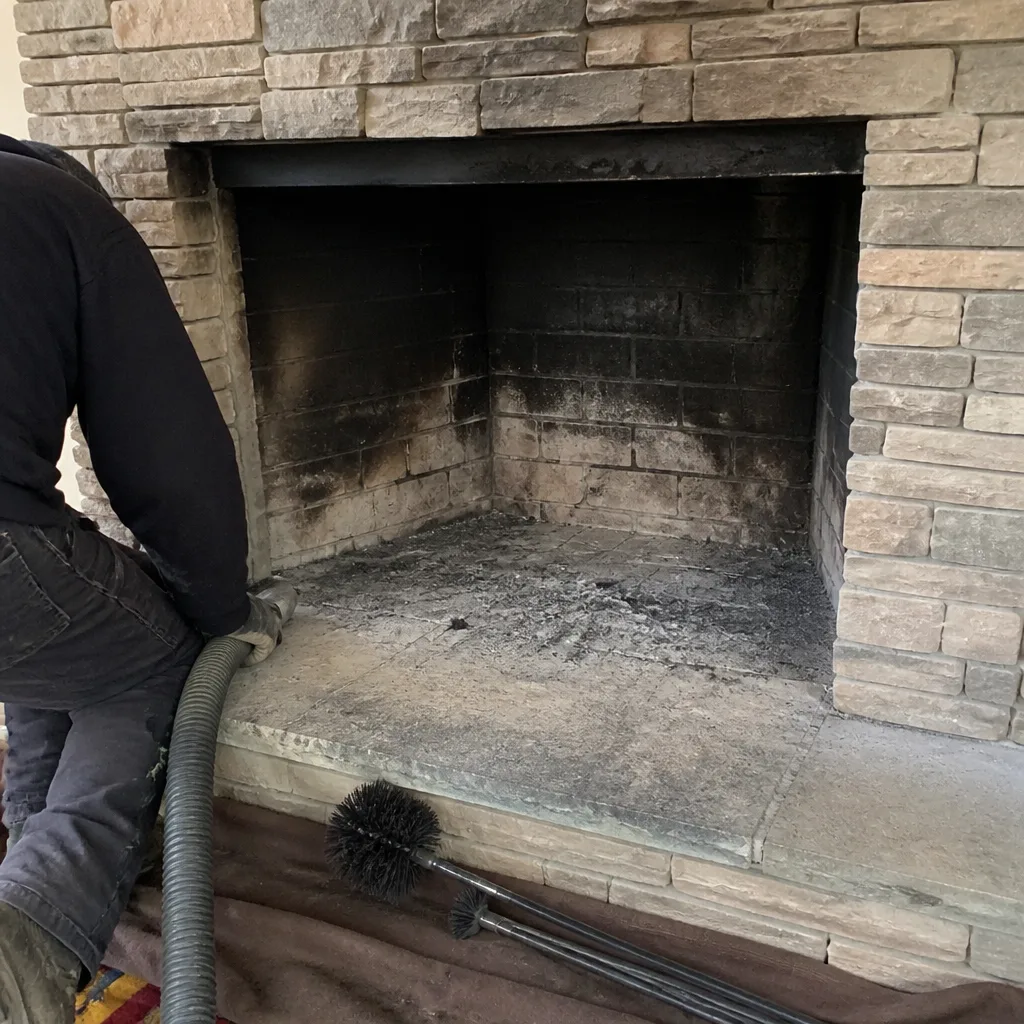
Chimney sweep logs do not sweep chimneys. They loosen some creosote - which then falls where a brush and vacuum still have to collect it.
How to Hire a Chimney Cleaning Contractor in Lynnwood: A Step-by-Step Guide
Most homeowners pick a chimney sweep the way they pick a restaurant: they search, scan two or three reviews, and book whoever shows up first with a high rating. That works fine for dinner. It doesn’t work for the inside of your chimney. A five-star average on a general home-services app tells you a crew was pleasant and showed up roughly on time. It does not tell you whether the person on your roof knows a smoke chamber from a firebox, and in Washington State nothing legally stops an uncertified handyman from charging sweep rates and handing you an inspection sticker. This guide gives you the questions, credentials, and material standards that separate a chimney specialist from a generalist who added “chimney cleaning” to the price list. We’ll walk through how to hire a chimney cleaning contractor in Lynnwood, step by step.
Quick Answer
To hire a chimney cleaning contractor in Lynnwood, verify the actual technician’s CSIA Certified Chimney Sweep credential on the CSIA public registry (not the company’s claim on a website), confirm the company carries trade-specific liability coverage beyond a basic state business license, ask what level of inspection you’ll receive and whether a written report or camera scan is included, and ask which professional-grade materials they source for repairs. A dedicated chimney specialist answers all four without hesitation. A generalist stumbles on at least one.
Styles & brands we work with
- Sweep & inspection
- Caps & crowns
- Flue relining
- Masonry repair
- Gas fireplace service
Table of Contents
- How do you tell a chimney specialist from a generalist in Lynnwood?
- What does CSIA certification actually mean, and how do you verify it?
- What five questions expose a contractor’s real depth?
- What inspection level should your sweep include?
- Why isn’t a Washington State business license enough?
- How do material choices reveal a contractor’s standards?
- What red flags should appear in a written quote?
- What does Lynnwood’s climate mean for your chimney?
How do you tell a chimney specialist from a generalist in Lynnwood?
A chimney specialist does one trade and goes deep in it. A generalist does chimneys as a secondary line alongside HVAC work, gutters, pressure washing, or handyman repairs. The difference shows up in diagnosis quality and material standards long before it shows up in price.
Here’s the practical test. Ask the person booking your appointment what services the company offers for a chimney system, from the firebox to the crown. A specialist has a clear answer for each part: sweeping, inspection, firebox and firebrick repair, relining for a deteriorated or unlined flue, cap and crown installation, and masonry work at the top of the stack. A generalist typically offers sweeping and maybe a cap, then refers the rest out. That referral isn’t a crime, but it means the person diagnosing your system isn’t the person who understands what the fix will involve.
Why does this matter so much in Lynnwood? Because a lot of the housing stock here sits under mature Douglas fir and western red cedar, and that means debris load on caps and crowns is heavy. A chimney that was fine in a drier climate can be a water-intrusion problem here after a few wet seasons. A specialist recognizes the sequence: debris clogs the cap, rain pools at the crown, masonry cracks, water reaches the flue, and the liner starts deteriorating. A generalist sees a dirty chimney and sweeps it.
We work with professional chimney trade brands because generalist crews don’t stock them. When a technician reaches for a hardware-store cap instead of a Gelco or Famco unit, or slaps mortar on a cracked crown instead of assessing whether the crown needs rebuilding, that’s the tell. It’s not about brand loyalty. It’s that professional-grade components exist for a reason and box-store substitutes fail faster in this climate.
One more marker: a specialist sells an inspection as its own service. If the only way to get your chimney looked at is to bundle it with a sweep and a “maintenance package,” you’re not getting diagnostic intelligence. You’re getting a sales funnel.
What does CSIA certification actually mean, and how do you verify it?
CSIA Certified Chimney Sweep is a credential held by an individual technician, not a company. It’s issued by the Chimney Safety Institute of America, and it requires passing an exam, maintaining continuing education, and staying current on codes and standards. Critically, it can lapse. A company can advertise “CSIA certified” on its website while the technician who actually shows up holds no current credential, because the claim is about the business and the credential is about the person.
That gap is where hiring mistakes happen. Here’s how to close it in five steps:
- Ask for the name of the technician assigned to your job. If the company won’t tell you, that’s your first answer.
- Go to the CSIA public registry directly, on the CSIA website, not a link the contractor sends you.
- Search the technician’s name and confirm the credential is active, not expired.
- On the day of the appointment, confirm the person at your door matches the name you verified.
- Ask a diagnostic question and listen to the answer.
That last step matters as much as the registry. Certification is a floor, not a ceiling. A certified sweep should be able to walk you through what level of inspection your system needs and why, and explain the difference between sweeping and inspecting without reading from a script.
For anyone hiring in the Lynnwood area, ask specifically whether the technician has worked on both masonry and factory-built systems, because the region has a mix. Factory-built fireplaces have their own venting requirements and aren’t cleaned or inspected the same way as a masonry flue. A sweep who only knows one type will tell you everything looks fine on the other.
We don’t claim certification designations on this page unless we can point you to the registry entry, and we’d encourage you to hold any contractor in Lynnwood to the same standard. Verify the individual. The website badge is marketing.
What five questions expose a contractor’s real depth?
You don’t need to become a chimney expert to evaluate one. You need five questions that a trained technician answers instantly and a generalist dodges. In our experience, the fifth one is the tell.
1. “What level of inspection will I get, and what does it cover?” A specialist names the level (Level 1, 2, or 3) without pausing and explains what triggers a higher level. A generalist says “full inspection” and leaves it there.
2. “Do you use a camera, and will I see the scan?” A camera scan is standard on older systems and on any system where a repair is being proposed. A specialist includes it and shows you the footage. A generalist either doesn’t own a camera or won’t show you the images.
3. “How do you clean the smoke chamber?” The smoke chamber is the sloped area above the damper. A technician who knows the trade will talk about the surface and the material used to smooth it. Here’s the one that separates the field: ask whether they ever use smoke chamber scarfing compound. It’s a term that only comes up in real chimney work, and a generalist will not know it. If the answer is a blank look, keep calling.
4. “When would you recommend resurfacing a flue instead of replacing the liner?” A specialist knows there are more than two options. HeatShield is a ceramic resurfacing system for flues that are structurally sound but have surface issues, and knowing when it applies versus when a DuraFlex liner is the right call requires actual diagnostic judgment. A generalist recommends replacement for everything, because replacement is the only job they know how to sell.
5. “What’s the most common cause of chimney damage you see around here?” The right answer connects to water. In Lynnwood that means rain getting past a failing cap or crown, then into the masonry. A specialist leads with that. A generalist leads with creosote.
Ask them in that order. The first three test competence, the last two test judgment. A technician who passes all five is worth what they charge, and you’ll feel the difference when they explain what they found.
What inspection level should your sweep include?
A standard annual sweep usually pairs with a Level 1 inspection: visual check of the accessible parts of the system, firebox, damper, and flue from the accessible points, with no tools that could damage the structure. A Level 2 inspection is more thorough and includes a camera scan of the flue interior, and it’s what you want when there’s a change in the system, a change in fuel type, after a chimney fire, or when you’re buying or selling a home. A Level 3 inspection is the rare case where parts of the structure have to be opened up to see the problem.
For most Lynnwood homeowners who burn regularly, here’s the practical breakdown:
- Annual cleaning and visual check: Level 1, unless something raises a flag.
- First time in a new home, or first inspection after a long gap: Level 2 with a camera scan.
- After any chimney fire, even a small one: Level 2.
- Before a repair quote is finalized on an older system: Level 2, with the footage shown to you.
- Suspected structural damage or a hidden flue problem: Level 3, and you’ll be told in advance what it involves.
The key word in that list is “shown.” A chimney inspection tells you exactly what’s going on inside a system you can’t see. If the technician describes the problem but won’t produce camera evidence, you’re being asked to trust a diagnosis you can’t verify. That’s the thing homeowners worry about most when a contractor says they need a new liner or thousands of dollars of masonry work. The answer is simple: nothing should be recommended without footage you can look at. And if the work can safely wait, you should be told that too.
If you want a chimney inspection without a bundle attached, that’s exactly how it should be offered. An inspection is diagnostic, not a package deal, and a standalone inspection keeps the advice honest.
Why isn’t a Washington State business license enough?
A Washington State business license tells you a company registered to do business. It does not tell you the company is qualified to work on chimneys, and it does not tell you who bears the cost if something goes wrong at your flue or on your roof. That’s the gap most homeowners overlook.
Here’s what you should confirm beyond the license:
- General liability insurance in an amount appropriate for the work, with the certificate available on request. Ask for it before the job, not after.
- Coverage that explicitly extends to roof and chimney access. Roof work is where claims happen, and a policy that doesn’t clearly cover it is not coverage for this job.
- Bonding where the company’s registration requires it. A bond is a separate instrument from insurance and does different work.
- Written confirmation that any subcontractor who shows up is also covered. If the crew at your door isn’t the company you hired, their coverage is the one that matters.
We connect homeowners with independent local professionals, and the local pro is licensed and insured as their state requires. Ask any contractor you consider for the same documentation. If a company gets defensive when you ask for a certificate of insurance, that reaction is the answer.
One more Lynnwood-specific note: if your home is inside city limits and any work involves structural change to the chimney or the home’s envelope, most cities require a permit for that kind of work, so ask your city’s building department before the job is scheduled. A contractor who plans the permit question into the conversation is a contractor who has done this before.
How do material choices reveal a contractor’s standards?
Materials are where a quote stops being a number and starts being a prediction of how long the fix lasts. Two contractors can quote the same crown repair and mean completely different things.
Professional chimney work draws on a specific supply chain. DuraFlex flexible liner systems are built for relining deteriorated or unlined flues, with the right liner selected for your flue type and appliance. HeatShield is a ceramic resurfacing system for flues that can be restored rather than fully relined. Gelco and Famco make chimney caps, and Olympia Chimney supplies components that hold up to weather. Copperfield products cover the caps and crowns that keep water out of masonry in the first place.
A generalist doesn’t source any of this. They buy what the hardware store stocks, which is fine for a gutter bracket and wrong for a flue. Here’s how to tell which kind of quote you’re holding:
- Ask what specific product will be used for a liner, a cap, or a crown, by name.
- Ask why that product suits your flue type, and whether there was an alternative.
- Ask whether the material is rated for the appliance and fuel you burn.
- Ask what happens if the material fails, and get the answer in writing.
The right liner for your flue type is not a one-size decision. A masonry chimney with a clay tile liner and a fireplace insert has different requirements than an older unlined chimney or a factory-built system. A technician who can explain which system applies to you and why is diagnosing. A technician who quotes one product for every house is selling.
This is also where the cap-and-crown service earns its place. Water intrusion is the leading cause of damage to masonry chimneys, and it starts at the top. Stopping water before it reaches the masonry is cheaper than rebuilding what the water ruined. A company that treats cap and crown installation as a named service, not an add-on, is thinking about prevention rather than repair volume.
What red flags should appear in a written quote?
A written quote should be specific enough that you could hand it to a second contractor and get a comparable bid. If it isn’t, that’s the flag. Here’s what to watch for:
- A flat price with no mention of inspection level. You can’t compare quotes if you don’t know what was inspected or how.
- No written report. A clean sweep without a documented condition report leaves you with no record of what was found and no baseline for next year.
- Refusal to provide a camera scan on an older system. On a chimney of unknown history, no scan means no evidence, and no evidence means you can’t evaluate the diagnosis.
- A repair recommendation with no images attached. Any proposed repair should come with footage you can see and a plain explanation of what happens if you wait.
- Pressure to decide today. Chimney work is seasonal, not hourly. If the recommendation is genuinely urgent, the contractor can explain why in terms you can verify. If it can wait, they should say so.
- Unnamed materials. “We’ll put a new liner in” is not a specification. Ask for the product.
- A quote that grows between the phone call and the visit with no new findings to explain it.
In our experience, the honest version of an urgent recommendation sounds different from the salesy one. It comes with a photo or a video segment, a plain statement of the risk, a clear explanation of what the fix involves, and an acknowledgment of what happens if you take a few weeks to think it over. You should never feel rushed into a liner decision you can’t verify.
And the reverse is just as telling. A contractor who tells you the crown can wait a season, or that the flue doesn’t need relining yet, is giving you information that costs them a sale. That’s the contractor worth calling back. When a chimney repair quote is on the table, the question to ask is simple: what did you see, and can I see it too?
What does Lynnwood’s climate mean for your chimney?
Lynnwood sits in a wet, marine-influenced climate with a long rainy season and mild winters. That combination has specific consequences for chimney systems, and it shapes what a good contractor should be looking for.
First, moisture is the primary enemy. Masonry is porous, and a chimney crown that has cracked allows water into the brick and mortar. Repeated freeze-thaw cycles over the winter work that water into the structure, and by spring the crown damage has spread down the stack. That’s why the cap and crown matter more here than in a dry climate. Stopping water before it reaches the masonry is the whole game.
Second, debris load. Lynnwood’s tree canopy drops needles, leaves, and grit onto caps and into flues. A cap that vents properly keeps most of that out, but a damaged or missing cap lets it in, and a clogged flue is a draft and safety problem. During a sweep, a technician should be checking the cap’s condition and its screening, not just the flue interior.
Third, burning season. When the wet months arrive, fireplaces get used more, and creosote accumulates faster in a system that’s being run hard. An annual sweep before the season starts is the practical rhythm for most homes here.
Fourth, the housing mix. Lynnwood has everything from older masonry chimneys to factory-built fireplaces in newer construction, plus plenty of homes that have been through a fireplace insert upgrade. Each system type has its own inspection and cleaning requirements, and a contractor who treats them all the same will miss things.
If you want a sense of what routine service looks like, a standard chimney sweep in this climate includes the flue, firebox, damper, and smoke chamber, plus a look at the cap and crown from the roof. That’s a full-cycle check, and it’s why the trade rewards specialists over generalists.
Common Mistakes to Avoid
- Trusting the platform rating instead of the credential. A five-star average on a home-services app measures customer service, not chimney competence. Verify the individual technician’s CSIA status on the public registry before you book.
- Not asking for the technician’s name in advance. If the company won’t tell you who’s coming, you can’t verify anything. Ask, then match the name at the door.
- Accepting a “full inspection” with no defined level. The word full means nothing without a level attached. Ask for the level, and ask what a camera scan would add on your system.
- Approving repair work without seeing the camera footage. You can’t evaluate a liner or masonry recommendation you can’t see. Ask for the scan and a plain explanation of what happens if you wait a season.
- Assuming a business license covers the work. A state license isn’t trade qualification or liability coverage. Ask for the certificate of insurance and confirm it covers roof and chimney access.
- Hiring on price alone and getting hardware-store materials. A quote built on generic caps and mortar is cheaper up front and more expensive over the next few wet seasons. Ask what product will be used, by name.
- Skipping the cap and crown because the flue “looked fine.” The flue can be spotless while the crown is cracked and letting water into the masonry. Ask the technician to check the top of the stack, not just the inside.
See the difference
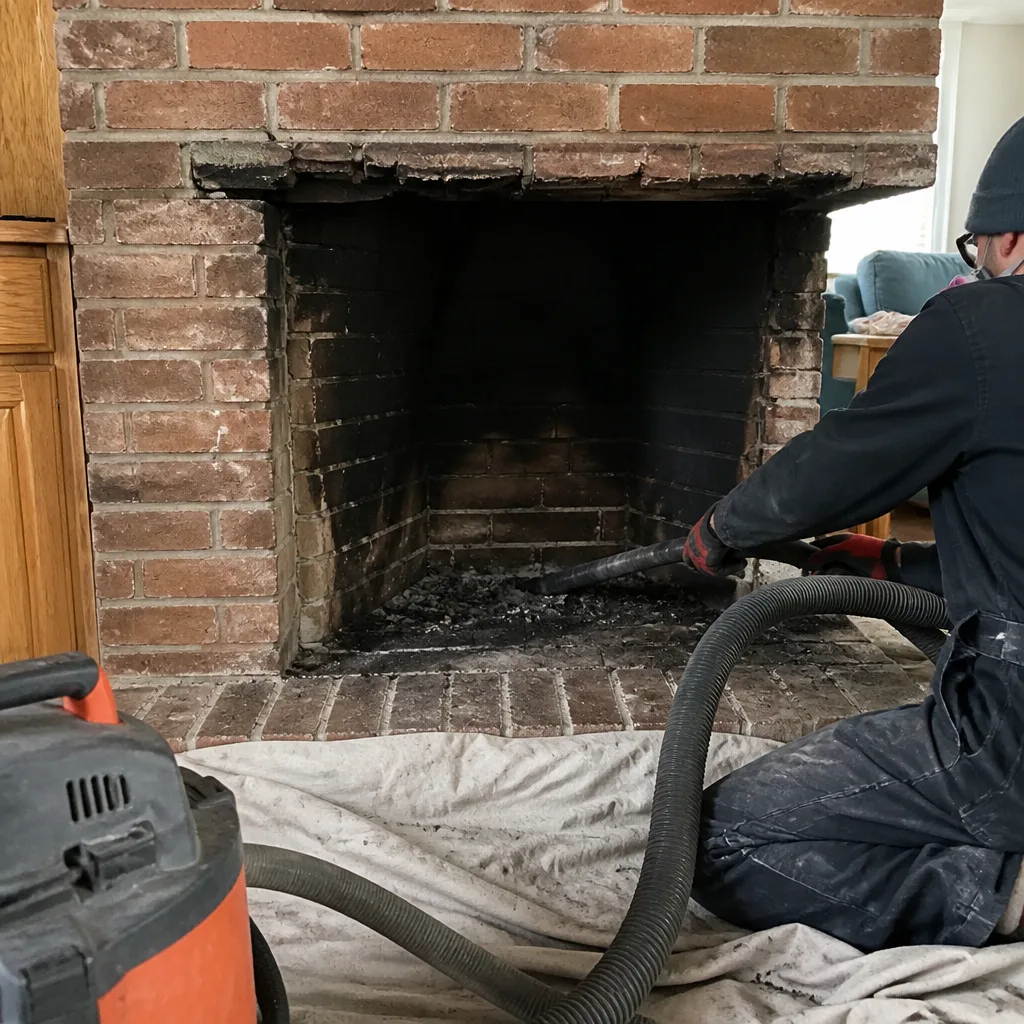 Before
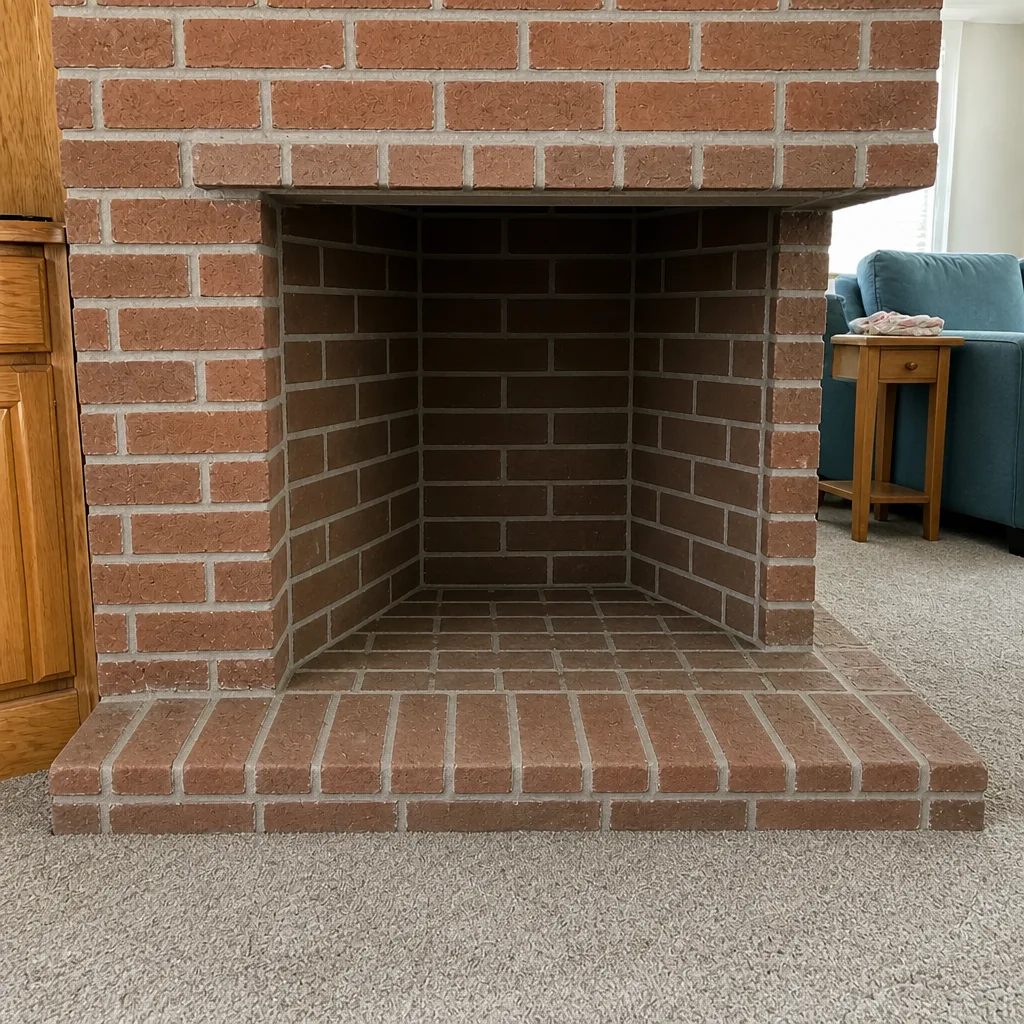 After
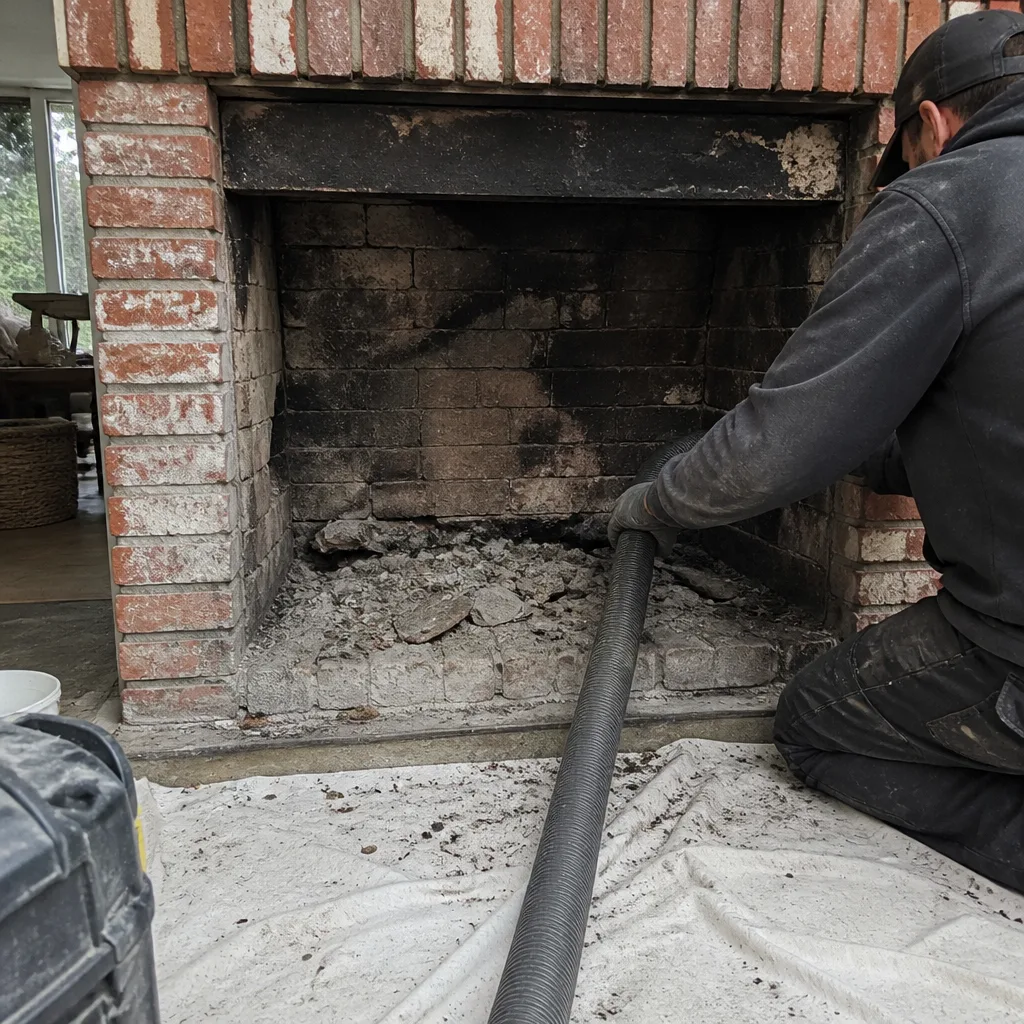 Before
 After
 Before
 After
When to Call a Professional
Call a professional when you haven’t had the chimney looked at in a year or more, when you’ve just bought a home in Lynnwood and don’t know the system’s history, or when you’re burning more often and want the flue checked before the wet season settles in. Call if you’ve had any chimney fire, even one you think you put out quickly. Call if you see cracked masonry at the crown, rust on the firebox or damper, a cap that’s loose or missing, or staining on the exterior of the stack. Call if you’re getting smoke into the room, a weak draft, or a smell that lingers after the fire is out. And call if a home inspector flagged something and you need a specialist to confirm what it means. Chimney Sweep Lynnwood offers free estimates in Lynnwood. Call (855) 550-7286. We answer 24/7, with fast dispatch from 7am to 7pm.
One safety note worth stating plainly: chimney work involves heights, and the interior of a flue isn’t something to diagnose by feel from the firebox. If you suspect creosote buildup or a blocked flue, don’t test it by lighting a fire. Have it checked by a trained professional who can see what’s actually in there.
Frequently Asked Questions
Most standard sweeps in the Lynnwood area fall in a typical range, and the written estimate you receive sets the final price for your system. Cost depends on the flue type, whether a camera scan is included, and whether the job is a routine cleaning or a first-time inspection on a system of unknown history. Ask for a flat price in writing before the visit, and make sure it names the inspection level. Call (855) 550-7286 for an exact quote. Estimates are free.
Only if the evidence says so. A deteriorated or unlined flue that isn’t venting safely needs a liner, and a DuraFlex flexible liner system is one of the professional-grade options for that job. But a flue that’s structurally sound with surface issues may be a candidate for HeatShield resurfacing instead. The difference is diagnostic, and you should be shown camera footage before you commit. Call (855) 550-7286 to have your flue evaluated. Estimates are free.
Annually for most homes that burn regularly, and more often if you burn heavily through the wet season. In our climate, an annual sweep before burning season also gives you a chance to catch crown and cap problems before the rain gets into the masonry. If you’ve never had the system inspected, start with a Level 2 inspection that includes a camera scan. Call (855) 550-7286 to book one.
Creosote builds up in the flue, which raises chimney fire risk, and water gets into cracked masonry at the crown, which is where structural damage starts. Neither problem announces itself. Both are far cheaper to catch at the sweep than to repair after a season of water intrusion. Call (855) 550-7286 and we’ll tell you honestly what your system needs and what can wait. Estimates are free.
No, and that’s exactly why you should ask for it. Nothing in state law prevents an uncertified handyman from charging sweep rates. CSIA Certified Chimney Sweep is an individual credential, so verify the specific technician’s name on the CSIA public registry rather than trusting a claim on a company website. Then ask a diagnostic question and see how the answer lands. Call (855) 550-7286 if you’d like to talk through what your system needs first.
Sometimes a cap replacement or minor repair can be handled in the same visit, and sometimes the right call is to schedule it separately once the inspection report is in your hands. We don’t promise a same-day outcome before we’ve seen the system. What we do promise is that nothing gets recommended without camera evidence you can review. Call (855) 550-7286 to set up the sweep and inspection. Estimates are free.
The Bottom Line
Hiring a chimney contractor in Lynnwood comes down to four checks: verify the individual technician’s CSIA credential on the public registry, confirm trade-specific liability coverage beyond a state business license, insist on a defined inspection level with a written report and camera evidence, and ask which professional-grade materials are being quoted and why. Those four questions will separate a chimney specialist from a generalist faster than any review score. Add a look at the cap and crown every year, because water is what damages masonry chimneys here. If a contractor won’t show you the footage, keep calling. When you’re ready, we’re here to help.
Chimney Sweep Lynnwood provides chimney sweep service across Lynnwood, along with inspection, fireplace repair, chimney repair, and cap and crown installation. Our technicians have up to 12 years of experience, and we work with professional trade brands including DuraFlex, HeatShield, Gelco, and Copperfield. Whether you need a routine sweep or a full diagnostic before a repair decision, we’ll show you what we find and tell you plainly what can wait. Call (855) 550-7286 for a free estimate. We answer 24/7. Fast dispatch from 7am to 7pm, Sunday through Friday.
Written by the team at Chimney Sweep Lynnwood.