
Last updated November 25, 2026
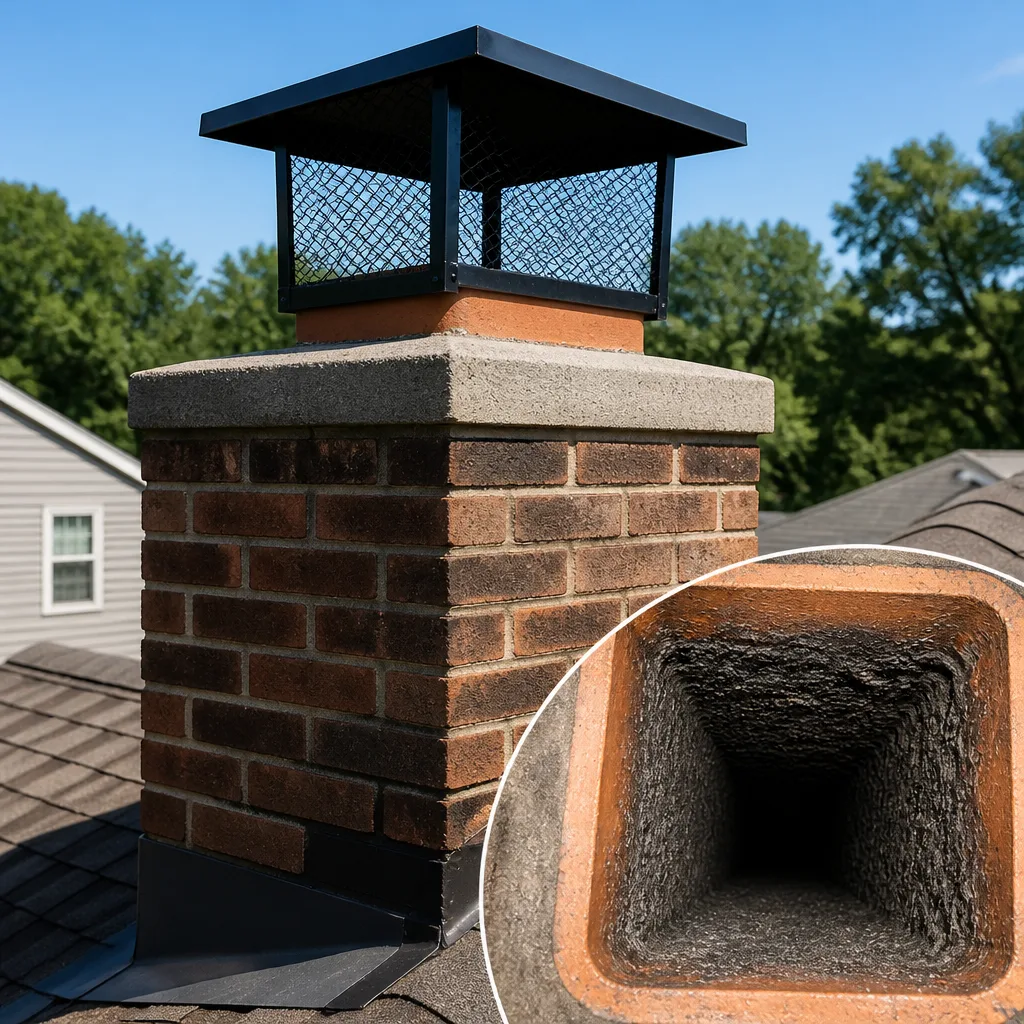 Sweep & inspection
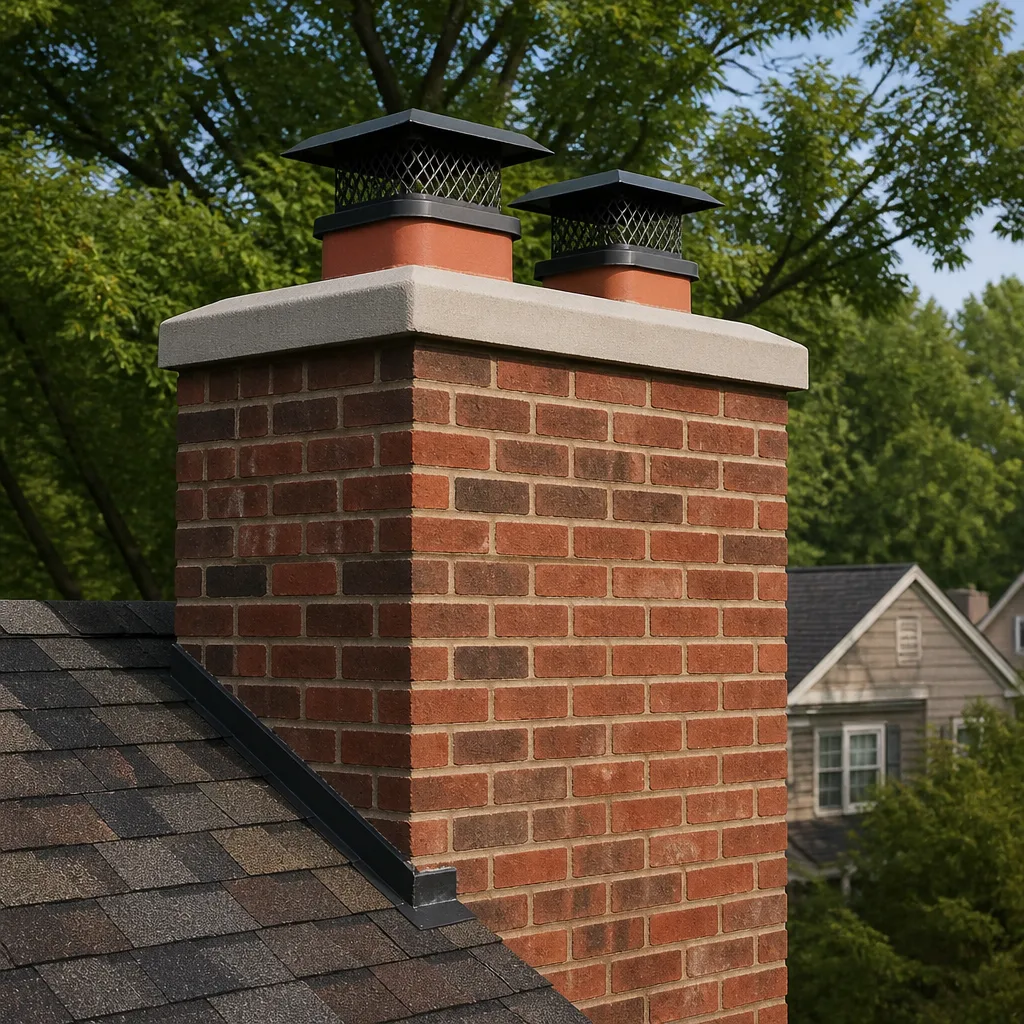 Caps & crowns
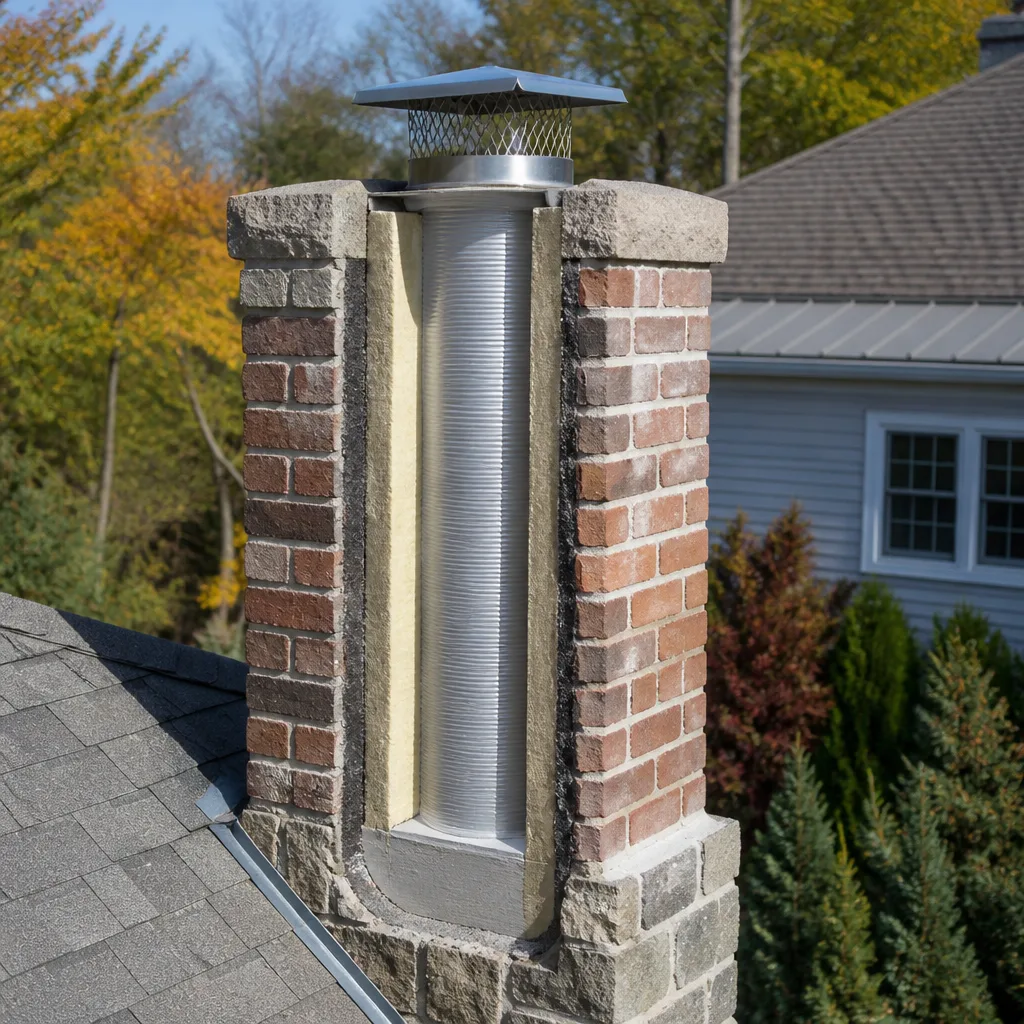 Flue relining
 Masonry repair
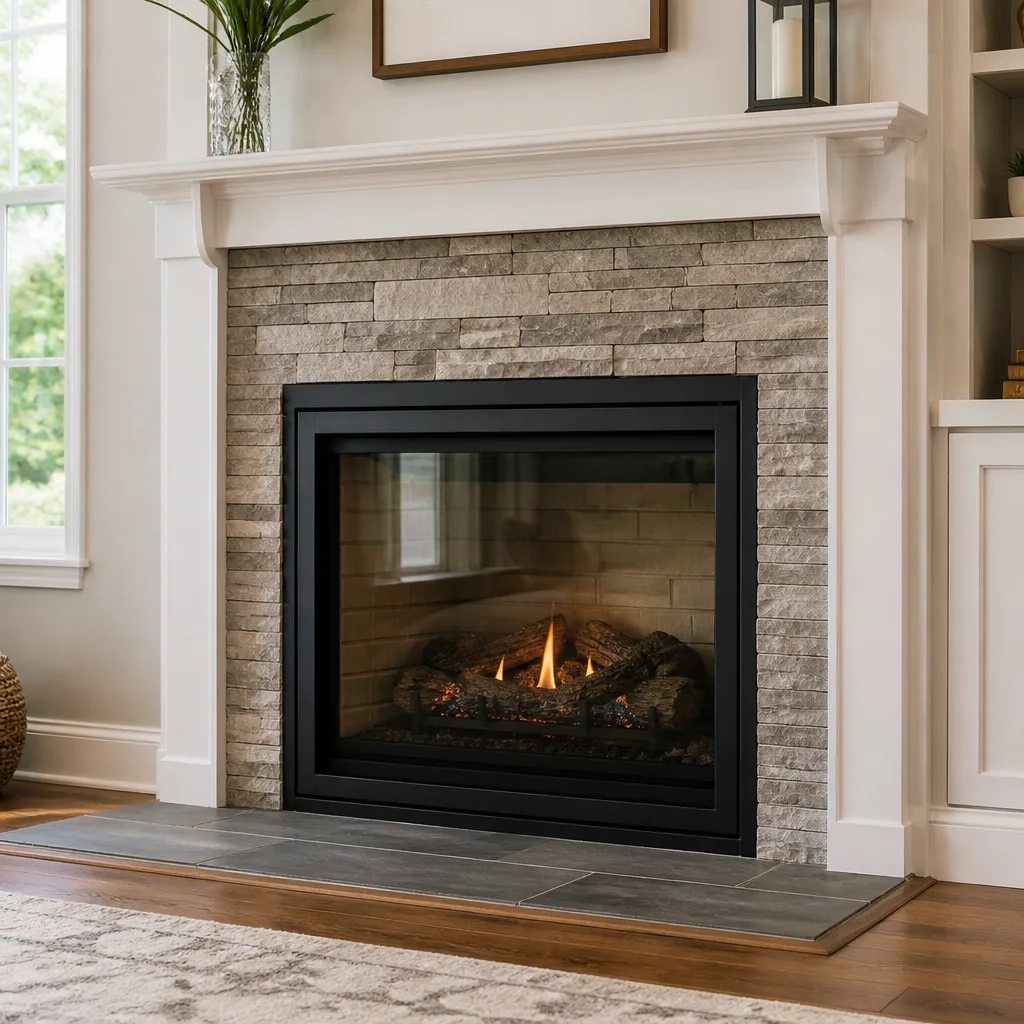 Gas fireplace service
Level 1 sweep and inspection to the NFPA 211 annual standard - flue, crown, cap, and flashing checked and photographed
Chimney sweep logs do not sweep chimneys. They loosen some creosote - which then falls where a brush and vacuum still have to collect it.
Chimney Cleaning Emergency Preparedness Guide for Lynnwood Homes
If you hear a low roar or a crackling sound coming from inside your chimney while a fire is burning, that’s the sound of a chimney fire in the flue. The correct first move isn’t to dial 911 while standing at the hearth. It’s to close the glass doors and the damper to starve the fire of oxygen, get everyone outside, and then call 911 from the driveway. Most homeowners have never been told this, because chimney emergencies get almost no coverage in the standard home-maintenance advice people read. This guide covers what to do during a chimney fire, a smoke backdraft, or a carbon monoxide event in a Lynnwood home, what comes after, and how to get your system ready before winter makes the decision for you.
Quick Answer
During a chimney fire, close the glass doors and damper, move everyone outside, then call 911. After any chimney fire, a Level 2 inspection with a camera scan is required before the fireplace is used again, no matter how minor the event looked from inside the room. For carbon monoxide, get everyone into fresh air and call 911, then have the chimney and venting inspected before restarting any gas appliance.
Styles & brands we work with
- Sweep & inspection
- Caps & crowns
- Flue relining
- Masonry repair
- Gas fireplace service
Table of Contents
- How do you recognize a chimney fire while it’s happening?
- Step-by-step chimney fire response for masonry and factory-built systems
- Carbon monoxide events: draft failure or appliance failure?
- After a chimney fire: why a Level 2 inspection comes first
- Preparing your chimney for a Lynnwood power outage
- What to document for an insurance claim after a chimney emergency
- Getting the system ready before the first cold snap
- Common mistakes to avoid
How do you recognize a chimney fire while it’s happening?
A chimney fire can be as loud as a freight train or as quiet as a soft rumble you almost talk yourself out of hearing. That range is exactly why they get missed. The dramatic version gets the attention; the slow, low-oxygen version burns inside the flue for a long time and damages the liner without anyone knowing until an inspection turns it up.
Watch and listen for these signs during and just after a fire:
- A low roar, rumbling, or crackling that seems to come from the chimney itself rather than the firebox.
- Dense smoke or a visible shimmer of heat pushing out of the top of the chimney.
- Pieces of cremated creosote falling onto the roof or into the yard, sometimes looking like black snowflakes or curled leaves.
- A strong, hot, acrid smell in the room that doesn’t match the fire you built.
- Warped or discolored damper components, a cracked flue tile, or a puffy, “honeycombed” look to creosote on the flue walls.
- Popping sounds from the stovepipe or connector on a metal system.
Most chimney fires start because glazed creosote, the hard, tar-like third-degree stage of buildup, ignites. In Lynnwood’s wet winters, wood often gets stored damp and burned before it’s fully seasoned, which is one of the fastest ways to build that glazed layer. The other common contributor is a flue that’s been restricted or partially blocked and never checked. Recognizing the event while it’s happening gives you the chance to act. Recognizing it after the fact is what a chimney inspection is for. And if you’re not certain whether a noise was a chimney fire or just a hot fire, treat it as a chimney fire until a professional has looked at the flue.
Step-by-step chimney fire response for masonry and factory-built systems
The first 30 seconds of a chimney fire matter more than anything that happens afterward. Both masonry and factory-built systems get the same opening steps, then diverge because the two systems fail differently under heat.
Universal first steps (both system types)
- Close the glass doors on the fireplace if you have them, then close the damper. Cutting the air supply starves the fire and slows it down.
- Get everyone out of the house and into the yard or the street. Don’t stop to gather belongings.
- Call 911 from outside. Tell the dispatcher it’s a chimney fire and give the address clearly.
- If you have a chimney fire extinguisher or a bucket of sand nearby and it’s safe to reach, use it from outside or from a safe distance. Do not climb onto the roof.
- Stay outside until the fire department arrives and confirms the fire is out.
Masonry fireplaces
Masonry flues are built to absorb significant heat and generally survive the temperatures a chimney fire produces. But “survive” doesn’t mean “unharmed.” The mortar joints between flue tiles crack, tile sections spall, and the crown and flashings can be damaged by the heat and the water the fire department uses. After a fire in a masonry chimney, the flue is often still structurally sound in places and compromised in others, which is why a camera scan is the only reliable way to know.
Factory-built (metal) fireplaces
A factory-built fireplace has a thin steel flue and a specific clearance to combustibles that the manufacturer built into the unit’s design. Because the metal has less thermal mass, high heat can warp the flue, damage the insulation wrap around it, or move the unit out of its rated tolerance. A factory-built system that just survived a chimney fire may look fine and still be unsafe to use. Never restart a factory-built fireplace after a chimney fire until a professional has inspected it in person. That’s not a cautious suggestion. It’s the reason these units come with manufacturer instructions that specify the rated temperatures.
In our experience, the response to a chimney fire gets remembered for years, but the system condition check gets skipped in the rush to get back to normal. If you’ve had a chimney fire in Lynnwood, we can arrange a chimney sweep and a diagnostic inspection so you know what condition the flue is actually in before you light another fire.
Carbon monoxide events: draft failure or appliance failure?
Carbon monoxide is the chimney emergency most homeowners don’t associate with the chimney. If your CO alarm sounds, get everyone and pets into fresh air, call 911, and don’t re-enter until the fire department clears the house. Once the immediate emergency is over, the question of why it happened is what determines whether your system is safe to use.
CO events in a Lynnwood home usually trace to one of two categories:
- Draft failure. The chimney or vent isn’t pulling exhaust up and out. Causes include a blocked flue, a flue that’s too cold to establish draft, a house that’s too tight and depressurizes when exhaust fans run, a disconnected or sagging vent connector, or a flue that’s sized wrong for the appliance.
- Appliance malfunction. The furnace, water heater, or fireplace itself is producing CO because of incomplete combustion, a cracked heat exchanger, or a blocked burner orifice.
The reason this distinction matters: if the source is a draft failure, replacing or repairing the appliance won’t fix the problem, and the next appliance on the same flue will fail the same way. If the source is the appliance, restoring draft fixes nothing. The chimney side has to be ruled out before any gas appliance is restarted, and that means a physical inspection of the flue, the vent connector, and the termination point. Small animals, birds, and leaf debris routinely block chimney caps in the Pacific Northwest, and a Lynnwood home that’s been through a windstorm should treat a sudden draft loss as the first suspect.
Don’t restart a gas furnace, water heater, or gas log set after a CO event until the venting has been inspected and cleared. We can combine a chimney repair visit with the venting check if the inspection turns up something that needs work.
After a chimney fire: why a Level 2 inspection comes first
A Level 2 inspection with a camera scan is required by NFPA 211 after any chimney fire, before the fireplace can be used again, regardless of how minor the event appeared. The code language exists because the damage that matters most is inside the flue where nobody can see it. A fire that lasted two minutes in the firebox can leave a cracked flue tile that opens up the next time the chimney heats, or a warped liner in a factory-built unit that fails structurally at temperature.
Here’s what a proper post-fire Level 2 inspection covers:
- A video camera scan of the full flue from the firebox to the crown.
- Condition of the flue lining: tiles, mortar joints, cast-in-place liners, or metal liners, as applicable.
- The damper, smoke chamber, and smoke shelf.
- The firebox, connector pipe, and the appliance itself.
- The exterior: crown, flashing, masonry joints, cap, and termination height.
- A written report with photos you can keep.
If the flue turns out to be beyond simple cleaning, repair options include a stainless flexible liner from DuraFlex for deteriorated or unlined flues, or HeatShield ceramic resurfacing for flues whose structure is intact but whose interior surface has broken down. HeatShield is a good fit more often than people expect, and it’s a durable alternative to full relining when the diagnostics support it. Choosing between the two is the reason we insist on the camera scan first. A written report from an independent chimney inspection also gives you something concrete to work from, whether you move forward with repairs immediately or wait.
Preparing your chimney for a Lynnwood power outage
When the power goes out in Lynnwood during a winter storm, a lot of homes fall back on the fireplace or wood stove for heat and cooking. That’s a reasonable instinct, but it also puts the chimney into a role it hasn’t been serving all year, and the checks that matter before you rely on it are different from the checks that matter for a decorative evening fire.
Before treating your wood-burning system as backup heat, verify:
- The flue is clear. A sweep within the last season, or since the last time the fire was used regularly, is the baseline.
- Seasoned wood is on hand. Wood that’s been split and stacked with airflow for a full season burns cleaner. Damp wood builds creosote quickly, and creosote is what ignites.
- You know how to establish draft. Cold flues resist draft, and a pre-warm step (a rolled newspaper torch held near the damper, or a warm-up burn with kindling) is standard practice for a cold start.
- Your CO detectors are working, and there’s one on every level of the home. Battery-backup models stay functional through an outage, which is exactly when you need them.
- The cap is secure. Wind-blown branches and debris can partially block a cap; check it before you count on the chimney.
- Your fire extinguisher is in reach and in date, and you know where it is in the dark.
One more thing worth saying: don’t run a fireplace or wood stove as your primary heat source during a long outage unless the system was designed for continuous use. A fireplace insert rated for steady heat is one thing; a decorative fireplace run for 48 hours straight is another, and the flue load climbs as the burn continues. If a windstorm in Lynnwood has knocked a cap loose or dropped limbs onto the crown, call us before you decide to burn. We answer 24/7, and we can get an inspection on the calendar before you’re relying on the chimney to keep the house warm.
What to document for an insurance claim after a chimney emergency
Most homeowner policies require a written third-party inspection report before a repair claim is processed. The adjuster needs evidence the damage happened during a specific covered event and that the repair scope reflects real damage, not an upgrade. The photos you take in the first 24 hours are the evidence a later inspection has to build on, so don’t clean anything up before you’ve documented it.
Documentation checklist for a chimney emergency:
- Exterior photos of the chimney from the ground: crown, cap, masonry joints, flashing, and roof line.
- Interior photos of the firebox, damper, and hearth, plus the ceiling and wall near the chimney if there’s any discoloration or staining.
- Photos of anything that fell: creosote pieces, soot, damaged cap sections, and any debris that came off the chimney.
- Written notes with the date and approximate time of the event, who was home, what you noticed first, and the sequence of what you did.
- The fire department report number if they responded, and the name of the incident commander if it’s on the paperwork.
- Photos of your wood supply and how it’s stored, since improperly seasoned wood sometimes comes up as a contributory factor.
- A copy of your last sweep or inspection report, if you have one. It shows the system’s pre-event condition and saves argument.
The inspection report that follows should read like a diagnostic document, not a sales quote. It should describe what the camera scan found, identify each defect, and recommend a repair scope in neutral terms. If you’re going to file a claim, ask for photos with the report. An adjuster needs to see what you saw. If you aren’t sure whether the damage is claim-worthy, a professional inspection gives you the information to decide.
Getting the system ready before the first cold snap
Lynnwood’s burn season usually starts quietly and then gets serious fast in late autumn and early winter. Preparedness is a maintenance schedule, not a reaction, and there’s a sequence to it that gets the most out of a single annual visit.
The annual rhythm
- Late summer or early autumn: chimney sweep and Level 1 inspection. Clears the creosote load and verifies the flue is intact before the first fire.
- Sweep again once creosote reaches a quarter inch on the flue walls, or once a year for typical fireplace use, whichever comes first. If you burn regularly, plan on at least an annual sweep.
- Cap and crown check before the rainy season really starts. This is where water damage starts, and stopping water before it reaches the masonry is a lot cheaper than repairing the damage it causes.
- Mid-season check for anyone burning daily. A camera peek once the fire has been running hard for a month catches liner issues while they’re small.
The chimney cap and crown work deserves its own mention because it’s the single most overlooked preventive job we see on Lynnwood chimneys. A cracked crown lets water sit on top of the masonry and freeze-thaw through winter. A missing or damaged cap lets rain, squirrels, and birds into the flue. We install Gelco and Copperfield caps because they hold up to years of wet Northwest weather and are sized to the flue, not the other way around. A proper cap also functions as a spark arrestor on a wood-burning system, which is a real safety feature, not just a nicety.
None of this is glamorous. It’s the difference between a chimney that handles the season and one that surprises you in the middle of it.
Common Mistakes to Avoid
- Calling 911 before closing the damper and glass doors. On a chimney fire, cutting the air supply is the first move. It only takes a few seconds and it can mean the difference between a contained event and a fire that spreads into the structure.
- Assuming a quiet chimney fire was a small one. Slow, low-oxygen fires can burn for an hour or more and do more damage to the liner than a short, loud fire. Treat any suspected event as one that needs inspection.
- Restarting a gas appliance after a CO alarm without inspecting the venting. The appliance isn’t the only possible source. Restarting before the chimney and vent connector are cleared is dangerous.
- Burning wet wood through a Lynnwood winter. The shortcut of “it’s already in the woodpile” builds glazed creosote fast. Season your wood for a full year and keep the pile covered.
- Cleaning up before taking photos after an emergency. Insurance reviewers need the evidence of what happened. Photos taken after cleanup rarely support a claim the way photos taken before do.
- Skipping the cap because “it looks fine from the ground.” A cap can be loose, rusted on the inside, or screened open at the top, and none of that shows from the yard.
- Using a general handyman for a flue repair. Flue lining work is a chimney-specific trade with its own materials, clearances, and code requirements. A generalist doing it as a side job leaves the diagnostics unaddressed.
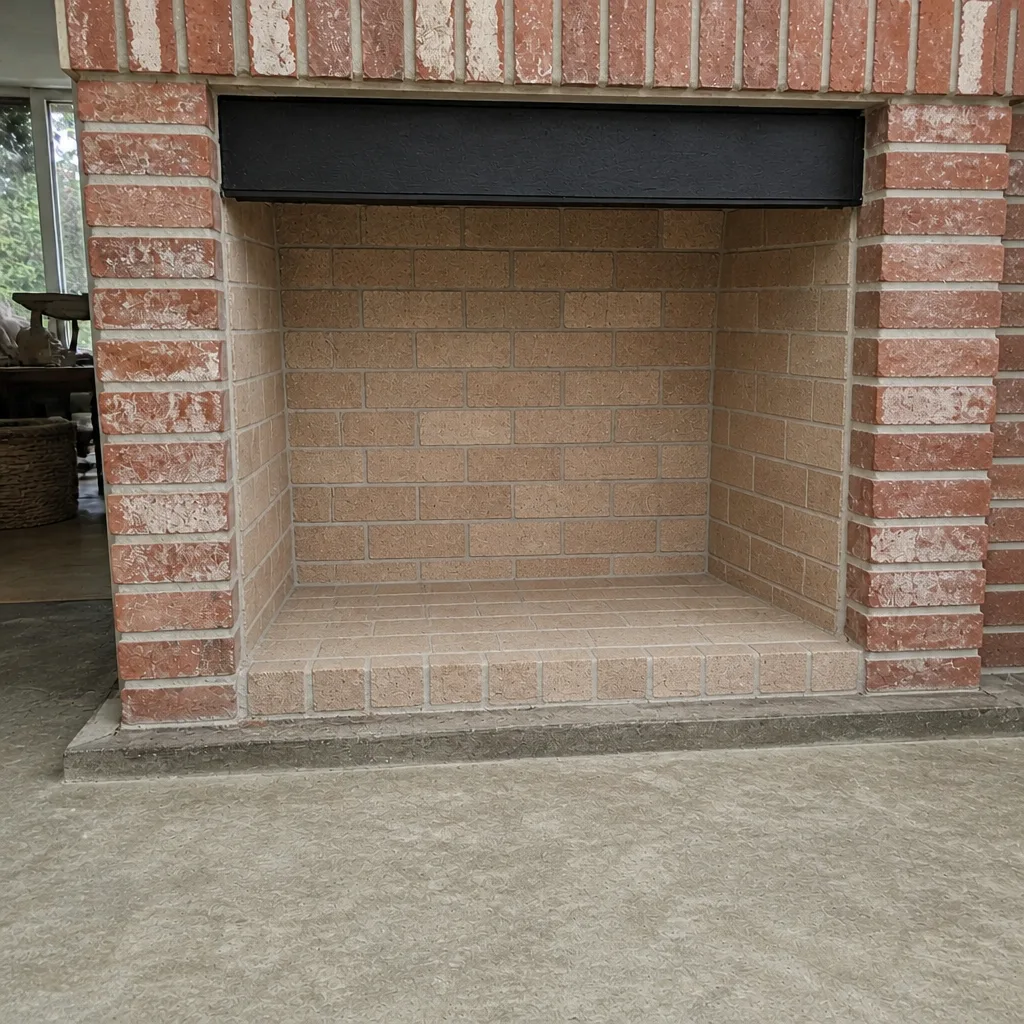
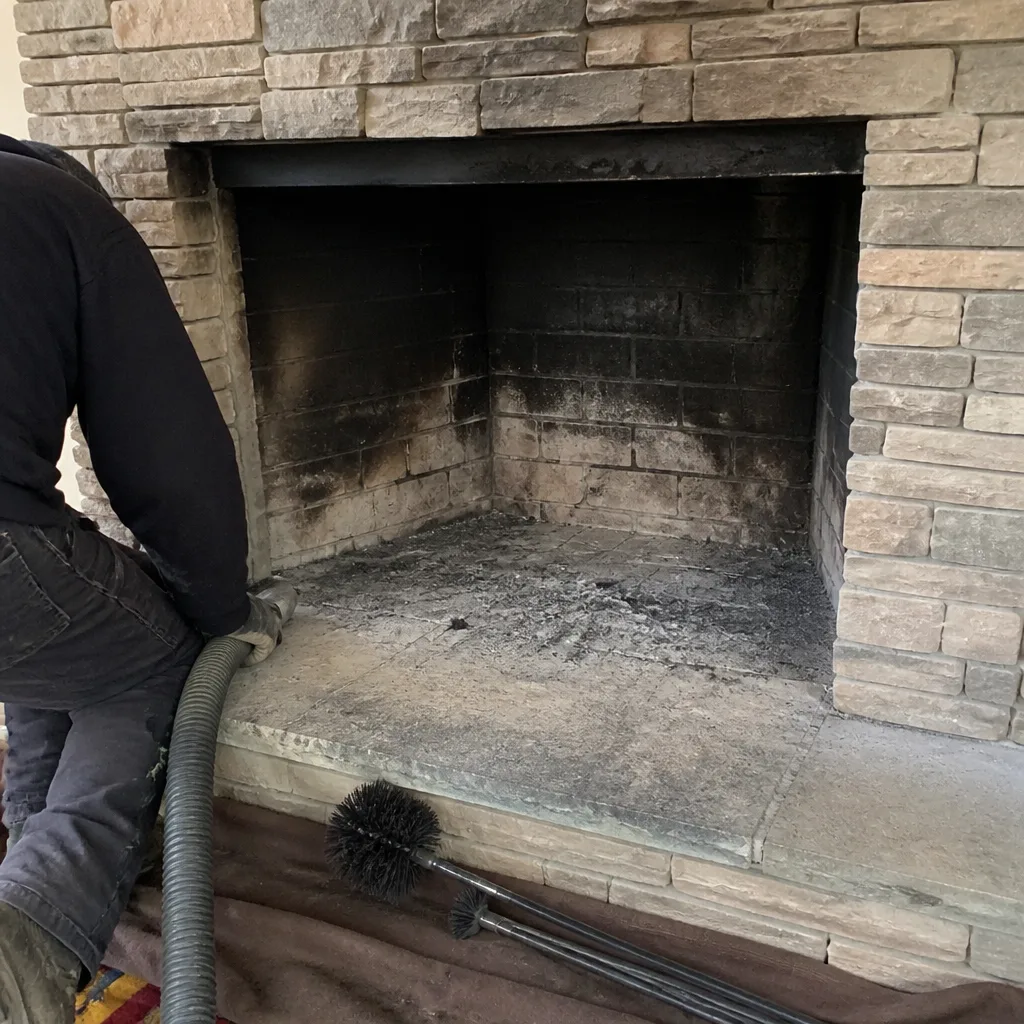
See the difference
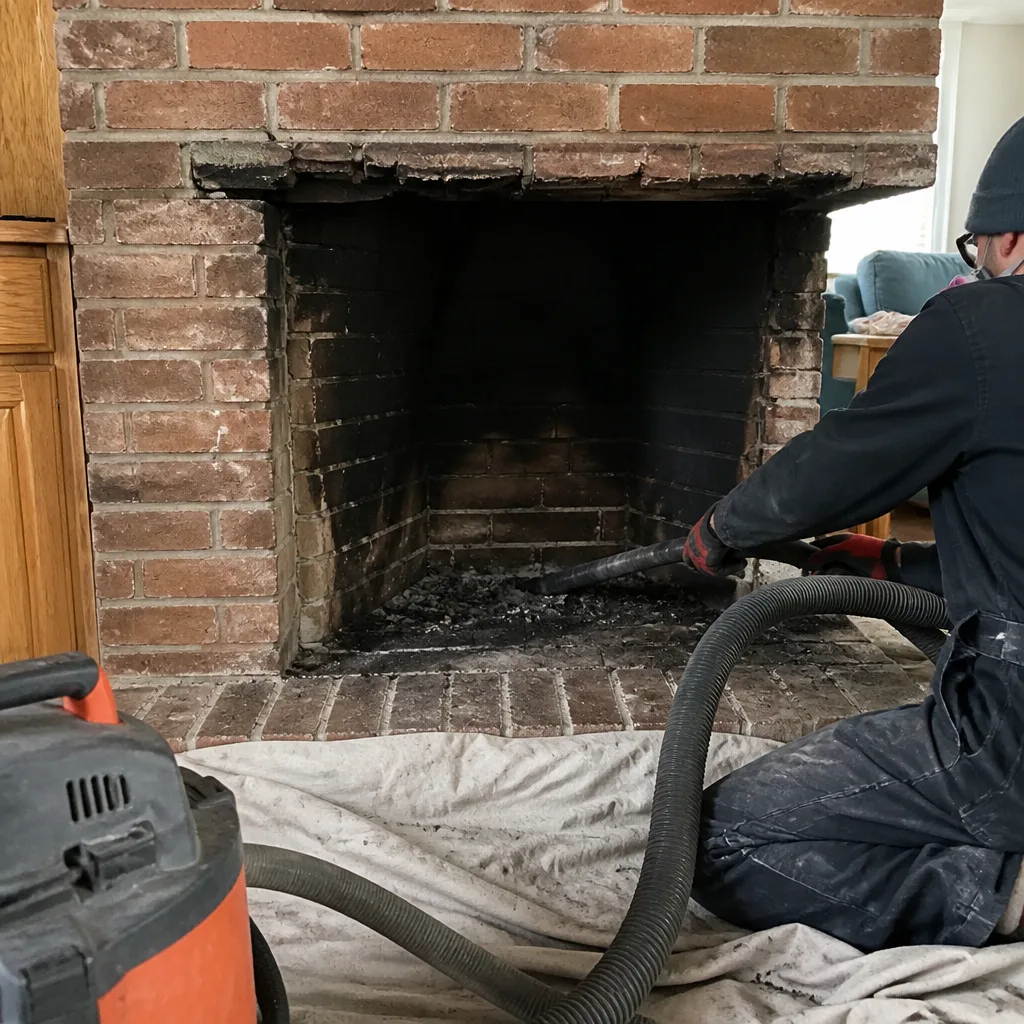 Before
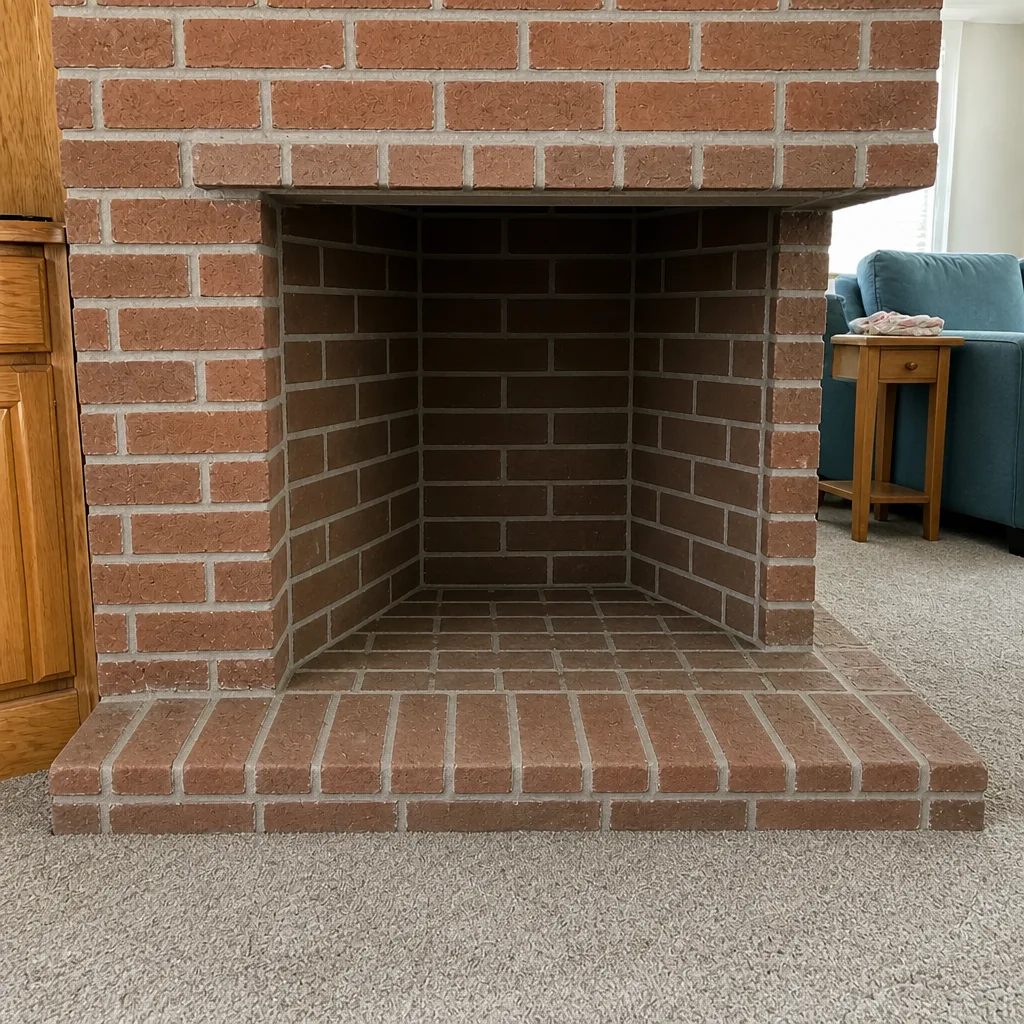 After
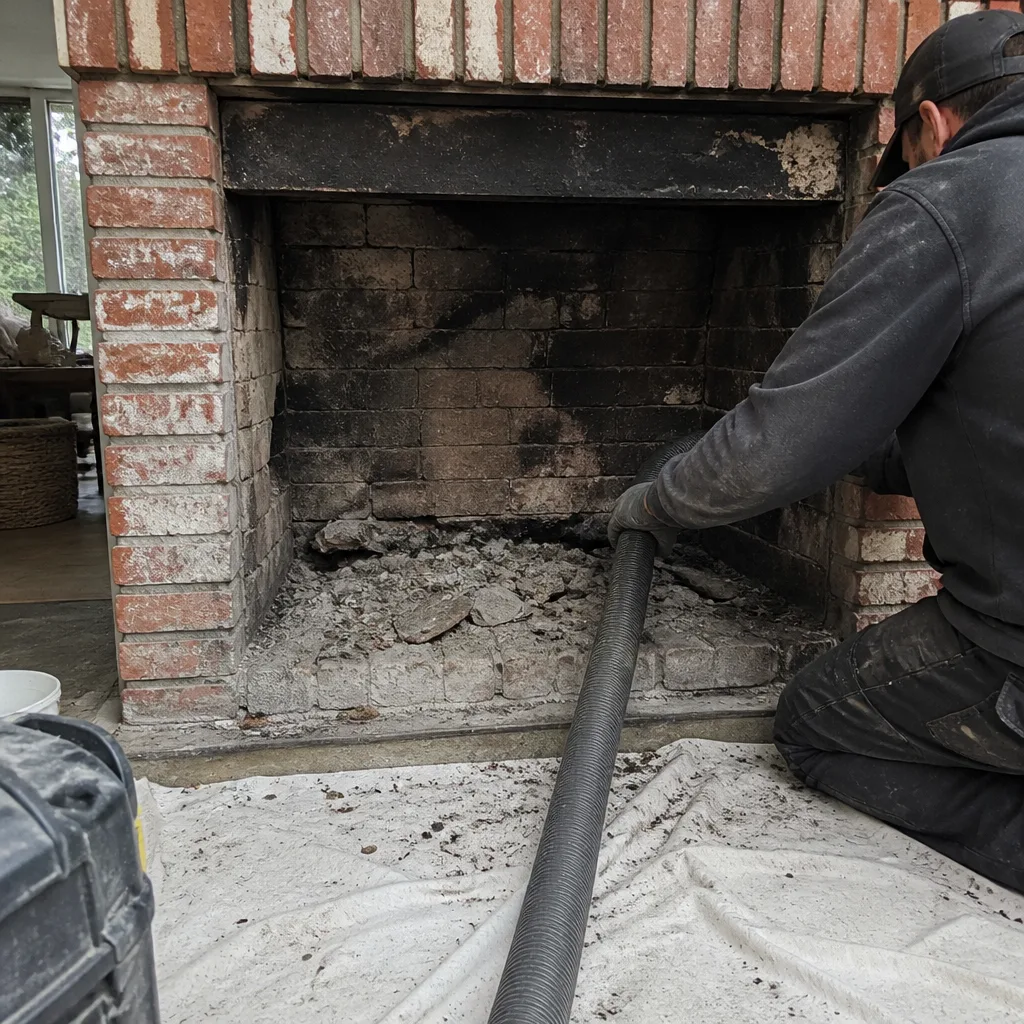 Before
 After
 Before
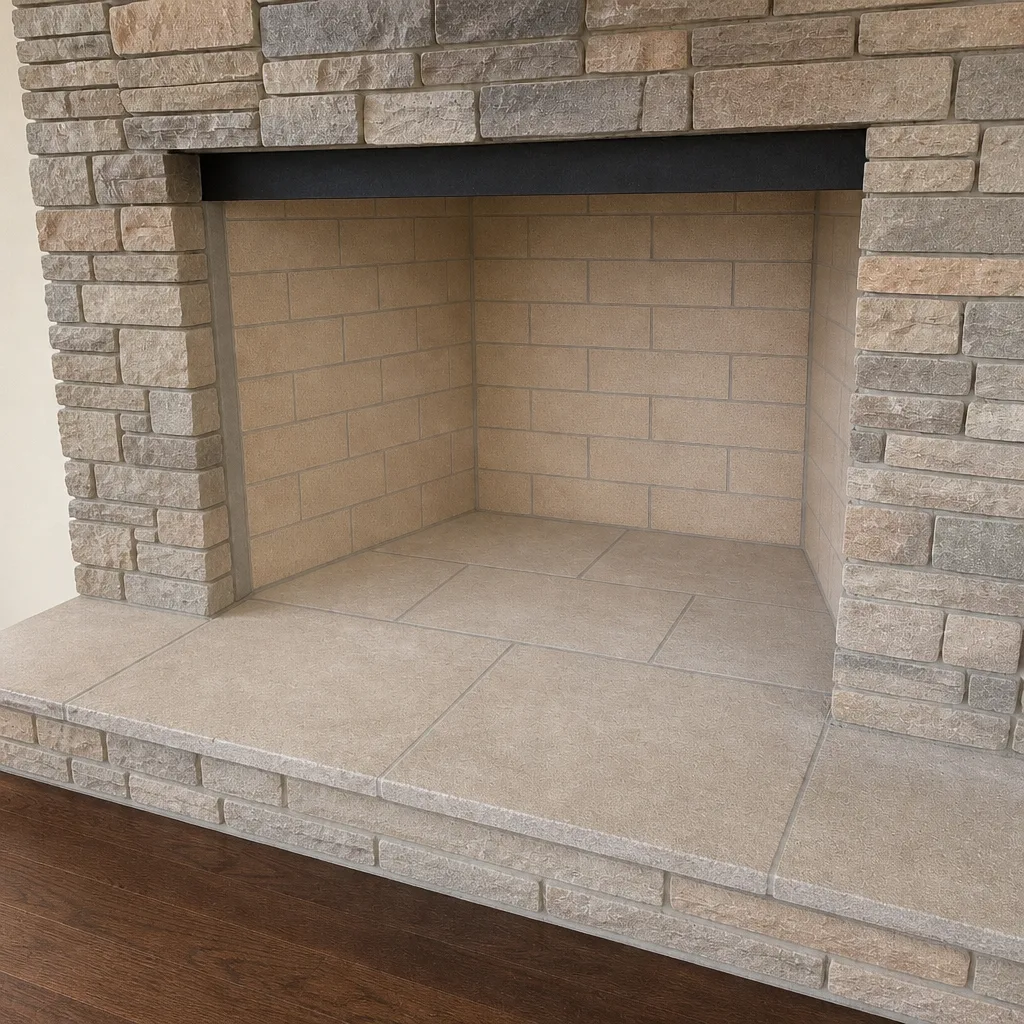 After
When to Call a Professional
Call a chimney professional any time you’ve had a suspected chimney fire, a smoke backdraft, a CO alarm, or any event where the system behaved in a way that doesn’t match how it usually runs. Call before the first fire of the season if the flue hasn’t been swept since last winter. Call if you’ve noticed creosote debris falling onto the roof, cracking around the crown, or a cap that’s come loose. Call if you’re using the fireplace as backup heat and haven’t had the system checked since the last power outage. And call if you simply don’t know the last time the chimney was looked at, which is a very common answer. Chimney Sweep Lynnwood offers free estimates in Lynnwood, and we can arrange the full service from fireplace repair through cap and crown work. Call (855) 550-7286. We answer 24/7. Fast dispatch from 7am to 7pm, Sunday through Friday.
Frequently Asked Questions
Chimney fires are more common than most homeowners realize, and many happen without the homeowner ever knowing. The quiet type, burning slowly inside the flue with restricted oxygen, is the most frequently missed, and it’s found later during an inspection. If you heat with wood regularly, an annual sweep is the practical defense. Call (855) 550-7286 for an exact quote – estimates are free.
Close the glass doors and the damper first, then call 911 from outside. Cutting off the air slows the fire, and getting everyone outside before you dial keeps the call from becoming a reason to stay in the house. Do not re-enter the house until the fire department clears it.
Not before a Level 2 inspection with a camera scan, no matter how small the fire seemed. NFPA 211 requires the inspection before reuse because hidden damage in the flue isn’t visible from the room. Once the inspection is done and any defects are addressed, the fireplace is generally safe to use again. Call (855) 550-7286 to schedule the inspection – estimates are free.
You can’t tell from the alarm alone, and you shouldn’t try to sort it out yourself. The chimney side has to be ruled out with a physical flue and venting inspection before any gas appliance is restarted, because draft failure and appliance failure produce the same signature at the detector. Once the immediate emergency is over, call (855) 550-7286 to book the venting inspection.
Photos of everything before cleanup, a written timeline of the event, the fire department report number if they responded, and a written inspection report from a third-party professional. Most policies require the third-party report before they’ll process a repair claim, so book that inspection early. Call (855) 550-7286 – estimates are free.
Yes, in that you need to verify the system can handle continuous use rather than intermittent evening fires. Confirm the flue is clear, the wood is seasoned, the cap is secure, the CO detectors have battery backup, and you know how to establish draft on a cold start. If any of that is uncertain, get the chimney inspected before the storm season, not during it. Call (855) 550-7286. We answer 24/7. Fast dispatch from 7am to 7pm, Sunday through Friday.
The Bottom Line
Chimney emergencies are survivable and repair-able, but only when the response is right in the first minute and the inspection is done before the next fire. Close the damper, get outside, call 911. For CO, get to fresh air and don’t restart anything until the venting is inspected. After any event, a Level 2 inspection with a camera scan is what tells you whether the flue is safe for the next burn. Then document, save the report, and put the system on an annual sweep schedule so Lynnwood’s burn season doesn’t catch you unprepared. Our technicians have up to 12 years of experience with masonry and factory-built systems alike. If you’re not sure where your chimney stands, the phone call is free and the estimate is free. Call (855) 550-7286. We answer 24/7. Fast dispatch from 7am to 7pm, Sunday through Friday.
Written by the team at Chimney Sweep Lynnwood.