
Last updated November 25, 2026
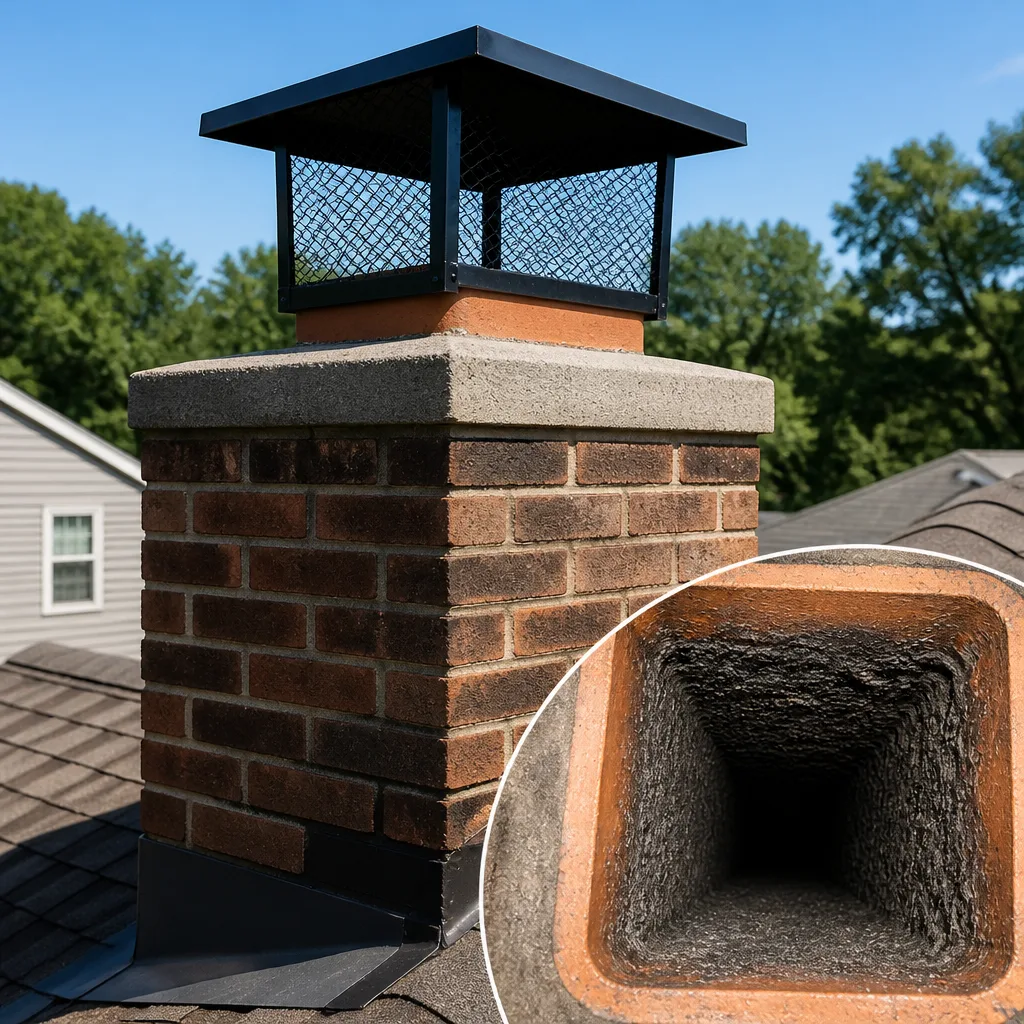 Sweep & inspection
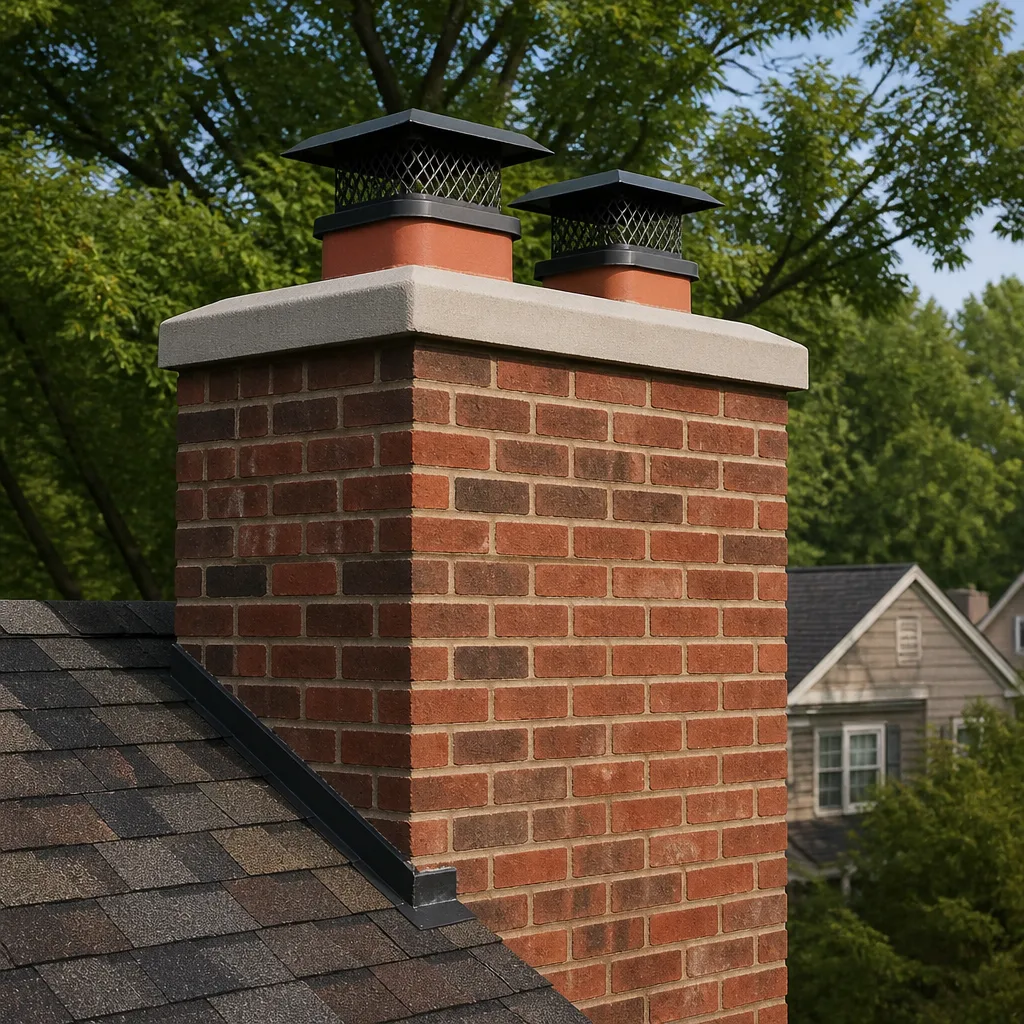 Caps & crowns
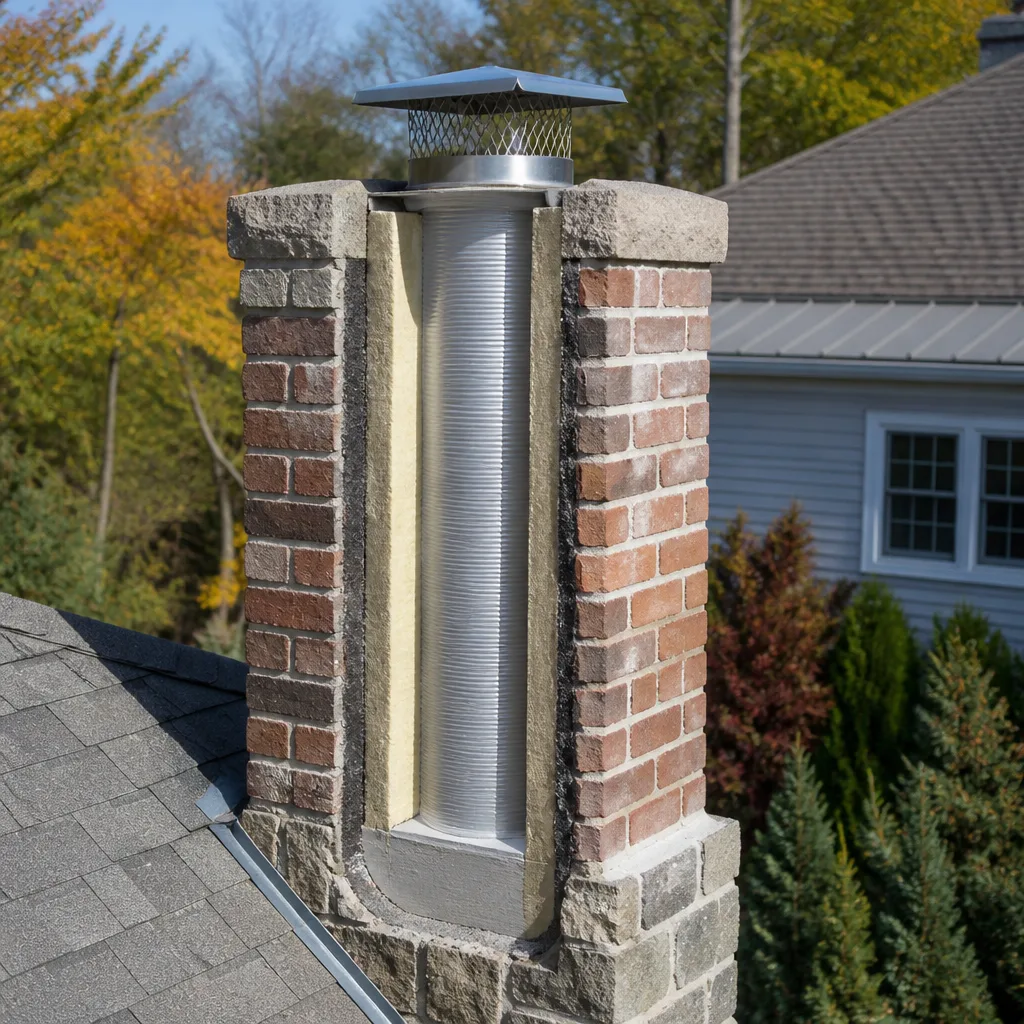 Flue relining
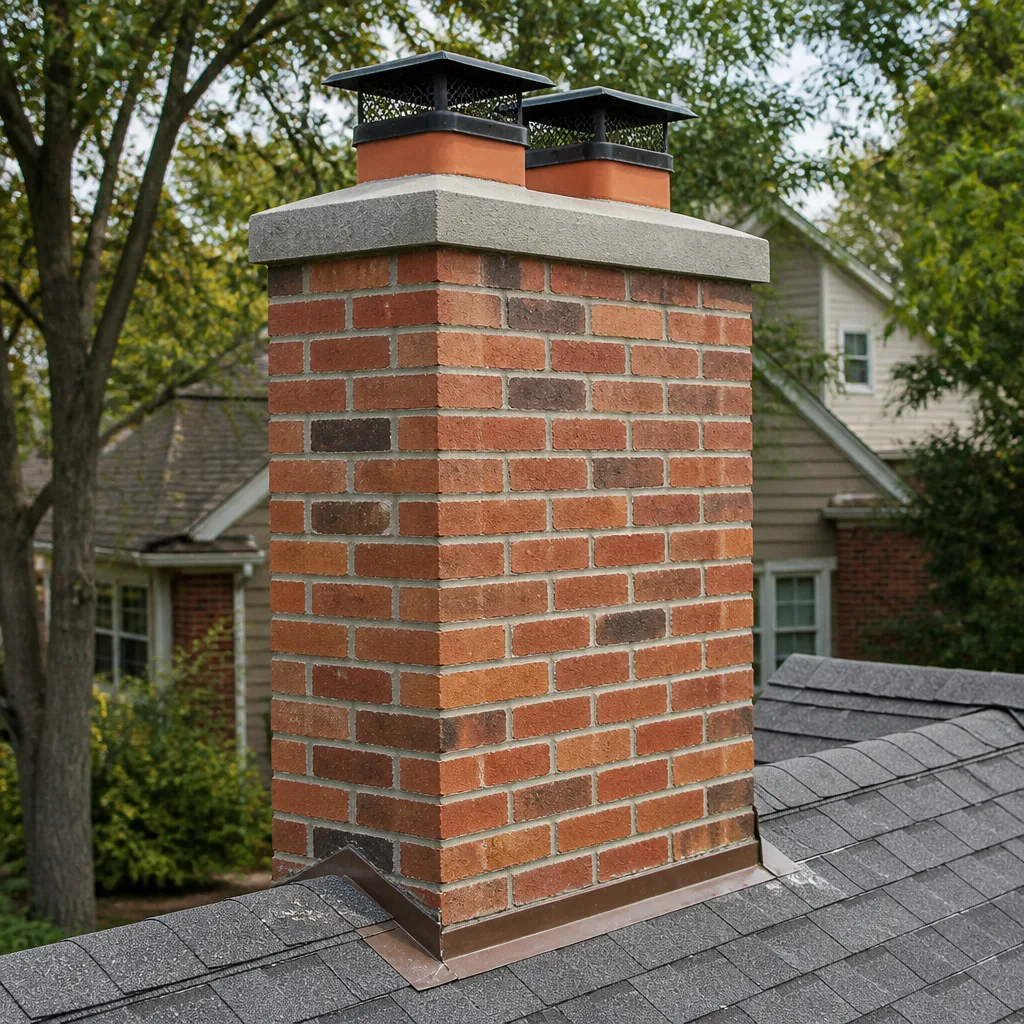 Masonry repair
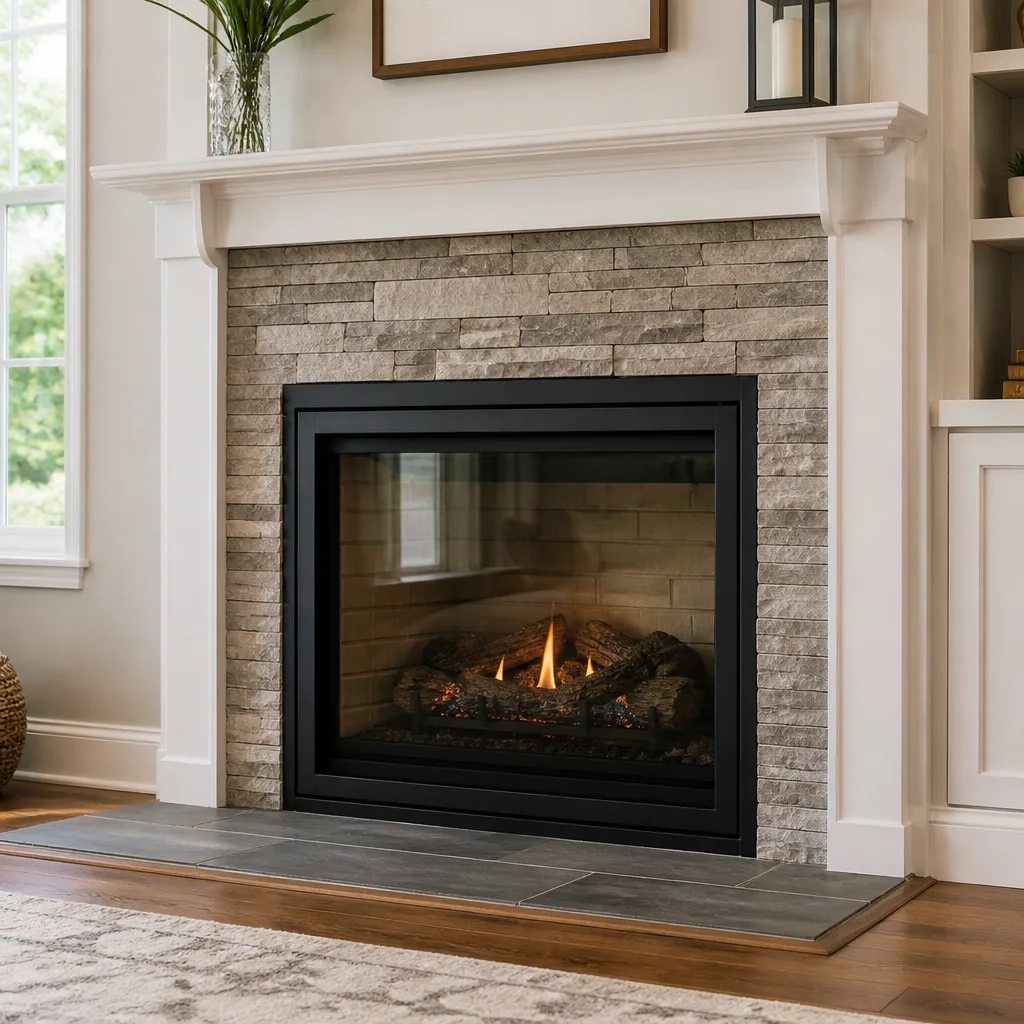 Gas fireplace service
Level 1 sweep and inspection to the NFPA 211 annual standard - flue, crown, cap, and flashing checked and photographed
Chimney sweep logs do not sweep chimneys. They loosen some creosote - which then falls where a brush and vacuum still have to collect it.
Chimney Sweep Maintenance Checklist for Lynnwood Homeowners
The most skipped maintenance item on a Lynnwood chimney usually isn’t the annual sweep. It’s the crown inspection in late winter, after months of freeze-thaw cycling have worked on mortar that looked fine in October. Water finds those hairline cracks, gets into the flue chase, and by spring you’re looking at rusted components and stained masonry instead of a routine cleaning. Generic four-season checklists don’t account for what Snohomish County weather actually does to a chimney. This guide does. You’ll get a month-by-month calendar tied to real local conditions, a ground-level inspection checklist you can run yourself, and clear rules for what needs a professional with a camera versus what you can spot from the driveway. Call (855) 550-7286. We answer 24/7.
Quick Answer
Lynnwood homeowners should sweep the flue once a year if the fireplace gets regular use, inspect the crown and cap every February after freeze-thaw season, and keep water off the masonry year-round. A ground-level visual check takes ten minutes and catches most early problems. Anything involving the flue interior, the liner, or the crown’s structural integrity requires a professional inspection with a CCTV liner camera. Book your annual chimney sweep before burning season and treat the February crown check as non-negotiable.
Styles & brands we work with
- Sweep & inspection
- Caps & crowns
- Flue relining
- Masonry repair
- Gas fireplace service
Table of Contents
- The Lynnwood Maintenance Calendar: Month by Month
- The Ground-Level Inspection You Can Do Yourself
- Crown Care: Why February Is the Critical Month
- Moss and Lichen on Concrete Crowns: Safe Removal Protocol
- Cap Displacement and Water Intrusion
- What to Log After Every Sweep
- Owner-Observable vs. Professional-Only Checks
- Common Mistakes to Avoid
The Lynnwood Maintenance Calendar: Month by Month
National chimney checklists tend to divide the year into four tidy seasons. Lynnwood weather doesn’t cooperate with that template. The real triggers here are the wet fall, the freeze-thaw stretch from December into March, and the moss-growing shoulder months. Build your calendar around those and the maintenance actually lines up with what’s happening to your chimney.
September and October: pre-season prep. This is when you book the sweep, before the first fire of the season. A clean flue burns more predictably all winter, and you want any repair approved and finished before you’re depending on the fireplace for heat. Check that the damper opens and closes smoothly and that the firebox has no loose brick or crumbling mortar. If you’ve noticed interior issues, schedule fireplace repair now rather than mid-winter.
November through January: burn season monitoring. Watch for smoke rolling back into the room instead of drawing up the flue, and note any change in how the fire behaves. Creosote builds up faster during cold, slow-burning fires, so resist the urge to choke the air supply down to stretch a fire overnight.
February and March: the freeze-thaw window. This is the month most guides miss. Repeated freezing and thawing of moisture trapped in mortar opens cracks in the crown, and a cracked crown channels water straight down into the flue chase. Get a ground-level look at the crown and cap as soon as the worst of the cold breaks.
April and May: post-winter assessment. Look for new spalling brick, fresh efflorescence staining, and moss taking hold on the crown. This is the season to schedule any chimney repair the winter revealed, while the weather is dry enough for masonry work to cure properly.
June through August: the repair and cap season. Dry summer weather is when crown rebuilds, cap replacement, and liner work cure best. It’s also the smart window to address anything you flagged in spring before the wet season returns.
The Ground-Level Inspection You Can Do Yourself
You don’t need a ladder to catch most early chimney problems. A pair of binoculars, a flashlight, and ten minutes from the ground will tell you a surprising amount. Run through these checks each spring and again after the first hard freeze. This is observation only. Never climb onto the roof to investigate a chimney issue yourself.
- Spalling brick. Look for brick faces that are flaking, peeling, or popping off in layers. Spalling means moisture has gotten inside the brick and is forcing it apart from within. A few flaking faces are common; a spreading patch signals a water problem that needs professional attention.
- Efflorescence staining. That white, chalky powder on the masonry is salt pushed to the surface as water evaporates out. It’s a visible sign that the chimney is holding moisture. Fresh, heavy staining after a wet winter means water is getting in somewhere.
- Cap condition. Check that the cap is sitting straight and fully covering the flue. A cap knocked askew by wind or a fallen branch leaves the flue open to rain, birds, and debris.
- Crown cracks. From the ground, look at the concrete slab on top of the chimney. Visible cracks, especially where it meets the flue, mean water has a path into the structure.
- Liner flaking through the damper. Open the damper and shine a flashlight up the flue. Flaking or crumbling material on the liner walls is a red flag that needs a camera inspection, not a guess.
- Moss and lichen. Green growth on the crown holds moisture against the concrete. Note where it’s taking hold so you can address it in the spring.
Write down what you see and the date you saw it. That record becomes useful when you compare this year against last.
Crown Care: Why February Is the Critical Month
The crown is the concrete cap on top of the chimney that sheds water away from the flue. It’s the single most important water-management feature on a masonry chimney, and it’s the one that takes the most punishment from a Lynnwood winter. Freeze-thaw cycling is relentless here: moisture soaks into a hairline crack during a mild afternoon, freezes solid overnight, expands, and widens the crack a little more. Repeat that cycle through January and February and a crown that passed inspection in autumn can be channeling water by March.
A failing crown is the leading cause of water damage in masonry chimneys. Once water gets past it, it moves into the flue chase, rusts dampers and firebox components, and works its way into the surrounding framing. That’s the path from a small masonry repair to a serious structural problem.
Here’s what a healthy crown looks like: a slight slope away from the flue on all sides, an intact bond where the crown meets the flue, and a smooth surface without cracks or crumbling edges. What to check in February:
- Any crack wide enough to catch a fingernail is worth a professional look.
- Cracks radiating outward from the flue are the most common failure pattern and the most concerning.
- Crumbling or spalling concrete at the crown edges means the material is breaking down.
- Separation between the crown and the flue liner lets water straight into the gap.
We work with HeatShield for flue resurfacing and DuraFlex liner systems for deteriorated flues, and the right fix for a crown depends entirely on how far the damage has gone. Sometimes a crown rebuild solves the whole problem. Sometimes the water has already reached the flue liner and that has to be addressed too. A chimney inspection tells you exactly which situation you’re in, which is why we treat the February crown check as diagnostic intelligence rather than a sales call.
Moss and Lichen on Concrete Crowns: Safe Removal Protocol
Moss and lichen love Lynnwood’s damp shoulder seasons. On a concrete crown, they’re more than a cosmetic nuisance. Growing moss holds a film of moisture against the concrete, keeping it wet through cycles where it would otherwise dry out. That constant moisture is exactly what accelerates freeze-thaw damage.
Not every cleaner is safe on a masonry crown. This matters, because some of the fast-acting products sold for moss removal will do more harm than the moss.
Safe for concrete crowns:
- A stiff natural-bristle brush and plain water for light growth.
- Diluted oxygen bleach (sodium percarbonate) for moderate growth, applied and left to work, then brushed and rinsed.
- A commercial masonry-safe moss remover labeled for concrete use, mixed exactly to the label.
Avoid on masonry:
- Bleach-based cleaners, which can leave salt deposits in the concrete and worsen efflorescence.
- High-pressure washing, which forces water into cracks and drives surface material apart.
- Acid-based cleaners, which etch the concrete surface and open it up to further moisture.
- Sealing a crown that’s still damp, which traps moisture underneath rather than keeping it out.
Scrape or brush off growth, clean the surface, let the concrete dry thoroughly, and only then consider a breathable masonry sealer if the crown is sound. If the moss is growing out of cracks rather than on the surface, that’s a sign of a crown problem underneath and worth a professional look. You can call us during the season for guidance on the right product for your crown.
Cap Displacement and Water Intrusion
A chimney cap is a small piece of metal or mesh that does a big job: it keeps rain, snow, birds, and debris out of the flue and stops downdrafts from pushing smoke back into the room. We take cap and crown work seriously as a preventive service, and the reason is simple. A displaced or damaged cap is the quickest route to water reaching the masonry, and a missing cap on an open flue is an invitation to problems that compound over a winter.
Wind is the usual culprit. A cap loosened by a storm can shift off-center, leaving part of the flue exposed. Check the cap after any significant fall or winter wind event. What to look for:
- Cap sitting crooked or shifted off the flue.
- Rusted or corroded mesh that leaves gaps for wildlife.
- Loose or missing mounting hardware.
- Damaged cap edges that no longer shed water away from the flue.
Before water reaches the masonry, a secure cap sheds it away. We install caps from Gelco and Olympia Chimney because those systems hold up to the wind and moisture a Lynnwood chimney sees, and they mount solidly rather than relying on a loose friction fit. If your cap is damaged or missing, treat a replacement as a priority before the wet season rather than a someday item.
What to Log After Every Sweep
A service history is one of the most useful things you can build as a homeowner, and most people never do it. Every professional sweep and inspection produces information worth recording. When you later sell the house, file an insurance claim, or simply want to know whether that crown crack is new or has been there for three years, a written log gives you the answer.
After each sweep and inspection, record the following:
- Date of service and the technician’s name. Basic, but the date is what lets you reconstruct a timeline later.
- Results of the flue inspection. Note the condition of the liner, the degree of any creosote buildup, and any areas flagged for future attention.
- What was cleaned. Flue, firebox, damper, smoke shelf. Note anything that was unusually dirty.
- Photographs. Keep copies of any photos the technician took of the flue interior and the crown. A camera inspection should produce images you can see for yourself.
- Repairs recommended and the reason. Write down not just the recommendation but the evidence behind it, so you can track whether a flagged issue progressed.
- Repairs completed and by whom. Record the date and materials used.
Keep the log with your home maintenance records. It proves system integrity in a way that memory can’t, and it’s genuinely useful when an insurance company or a buyer asks for maintenance history. A specialist who photographs findings and explains them is building this record with you, not handing you a quote and leaving.
Owner-Observable vs. Professional-Only Checks
Knowing which checks you can trust yourself to run and which need a professional saves you both worry and money. Some problems are visible from the ground or through the damper. Others hide where you can’t see them, and a guess about the flue interior can be badly wrong in either direction. Here’s the dividing line.
Owner-observable (do these yourself):
- Spalling brick and efflorescence on the exterior masonry.
- Visibly cracked or crumbling crown.
- A cap that’s shifted, missing, or damaged.
- Smoke rolling back into the room during a fire.
- Moss and lichen growth on the crown.
- Obvious loose brick or crumbling mortar in the firebox.
Professional-only (needs a CCTV liner camera):
- Condition of the liner walls deep in the flue.
- Flaking liner material visible only from inside the flue.
- Hidden cracks or gaps in the flue chase.
- Creosote buildup at the top of the flue, which you can’t see from the damper.
- Whether a flue is sized correctly for the appliance it serves.
- Whether HeatShield resurfacing is appropriate versus a DuraFlex liner replacement.
The flue interior is where the real diagnostic work happens. A CCTV camera sees the whole run of the liner, top to bottom, and gives you evidence rather than an educated guess. When we recommend something, you see the footage and the photos behind the recommendation. That’s the difference between being told you need work and being shown why.
Common Mistakes to Avoid
- Skipping the February crown check. October inspections don’t catch damage the freeze-thaw cycle creates in January and February. A crown that passed in autumn can be cracked by spring, and the water gets in during the weeks you weren’t looking.
- Pressure-washing the masonry or crown. High-pressure water drives moisture into cracks and opens the surface further. Use a soft brush for moss and let a masonry-safe cleaner do the work.
- Burning unseasoned or soft wood. Wet wood and high-resin softwoods build creosote faster. In a Lynnwood winter, where fires burn slow and cool, that creosote accumulates in ways that a hot fire would burn off.
- Ignoring efflorescence. That white staining is a moisture indicator, not a cosmetic quirk. Left alone, it means the chimney keeps taking on water it can’t shed.
- Sealing a damp crown. Trapping moisture under a sealer is worse than leaving the crown open to dry. Concrete has to be dry before any sealer goes on.
- Running a fire without a cap. An open flue invites rain, birds, and debris straight into the chase. A damaged cap is a water-intrusion problem waiting for the next storm.
- Not keeping a service log. Without a record, you can’t tell whether a flagged issue is progressing or stable, and you lose the maintenance proof that matters at sale or claim time.
See the difference
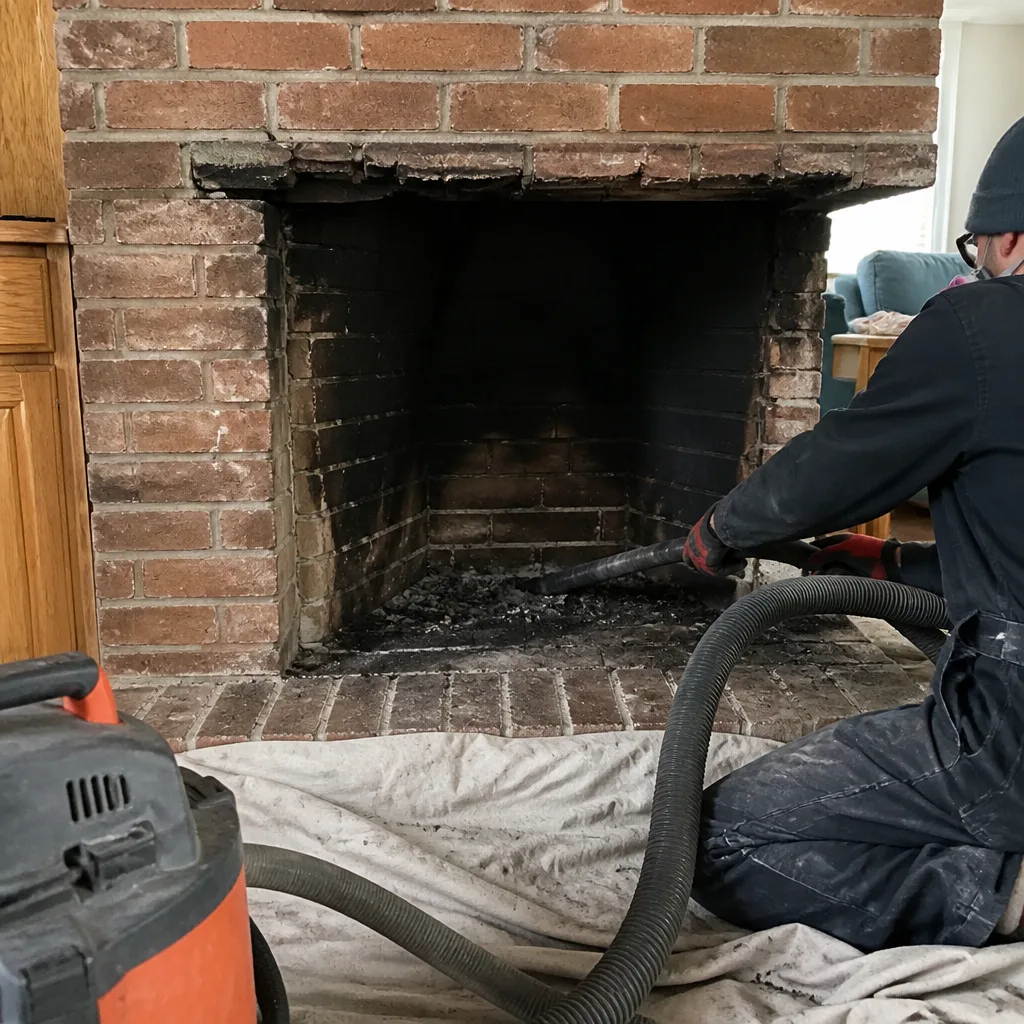 Before
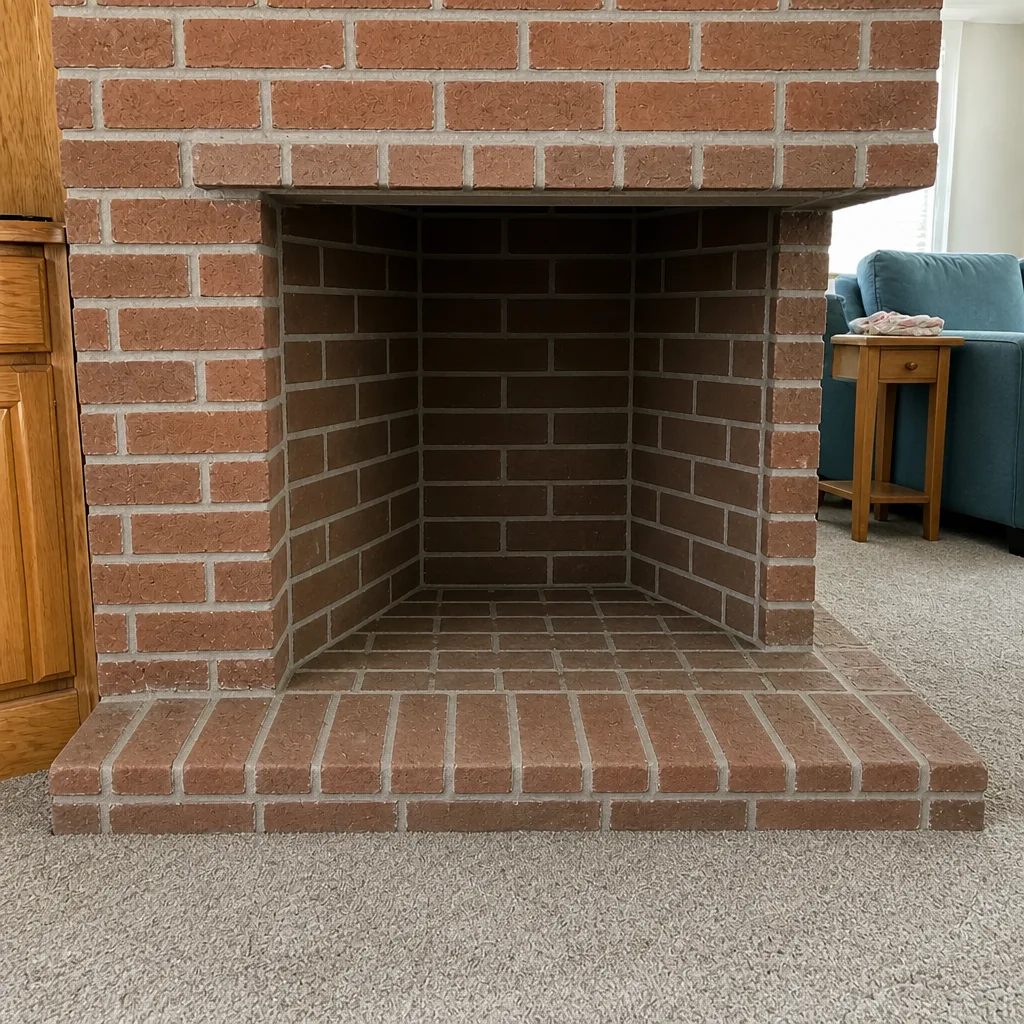 After
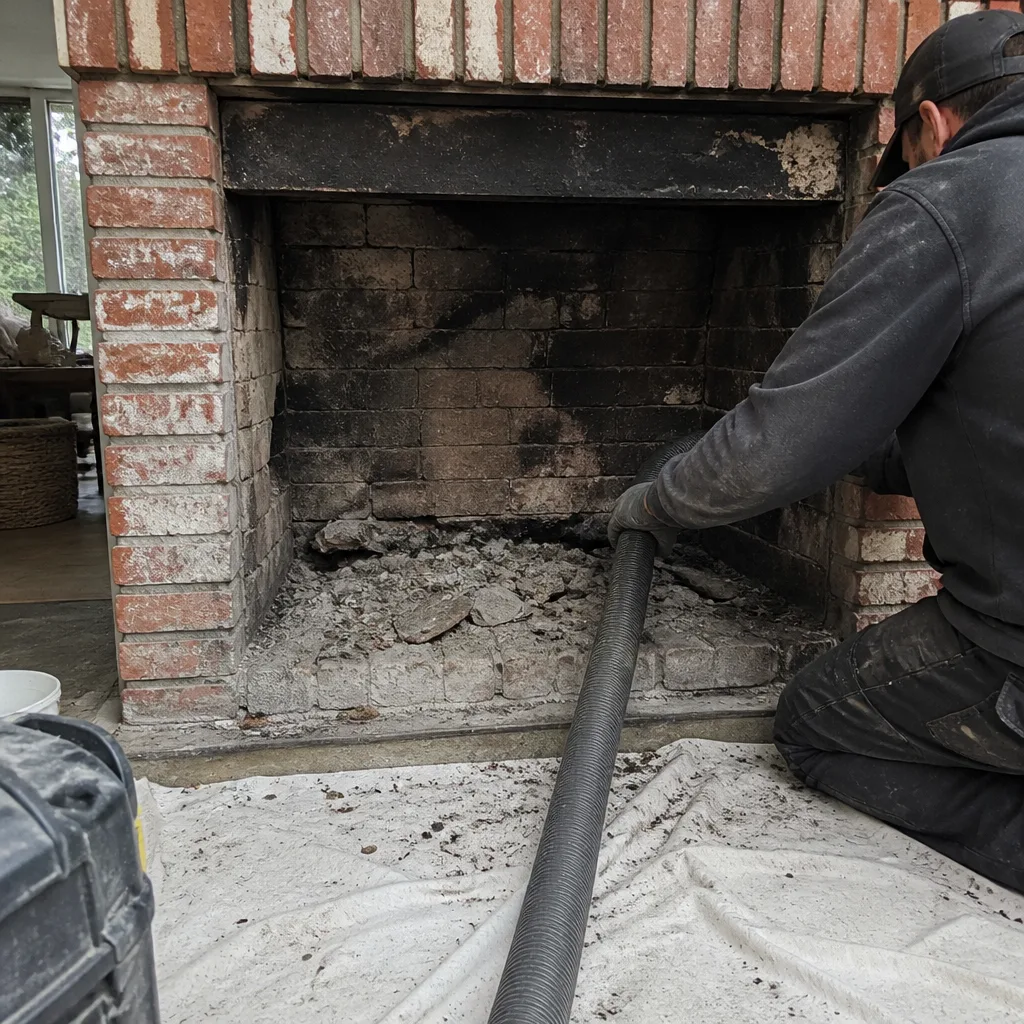 Before
 After
 Before
 After
When to Call a Professional
Call a professional when the problem is inside the flue, structural at the crown, or beyond what you can verify from the ground. Specifically: if your ground check shows a cracked or crumbling crown, a shifted or missing cap, spreading spalling brick, or heavy efflorescence staining. If you open the damper and see flaking liner material, that’s a camera-inspection situation, not something to diagnose yourself. If smoke rolls back into the room, or you haven’t had the flue swept in over a year of regular burning, it’s time. Carbon monoxide is a real concern in a flue that isn’t drafting correctly, so don’t run a fire you’re unsure about. Chimney Sweep Lynnwood offers free estimates in Lynnwood. Call (855) 550-7286. We answer 24/7, with fast dispatch from 7am to 7pm, Sunday through Friday. Our technicians have up to 12 years of experience, and the estimate is free. The written estimate sets the final price.
Frequently Asked Questions
Once a year if you use the fireplace regularly, and more often if you burn softwood or damp wood that builds creosote quickly. A home that sees a fire most winter evenings should plan an annual sweep before the season. Call (855) 550-7286 for an exact quote. Estimates are free.
A standard sweep and inspection is typically priced per job, and your written estimate sets the final number before any work is booked. The price depends on the flue, the buildup, and whether repairs are needed, so we put it in writing rather than quoting over the phone. Call (855) 550-7286 for an exact quote. Estimates are free.
Freeze-thaw cycling is the main reason. Moisture soaks into tiny cracks in the mortar over winter, freezes overnight, expands, and widens the crack each cycle. A crown that looks fine after a dry October can be channeling water by March, which is exactly why we check it in February.
Yes, for light surface growth, using a stiff brush and plain water or a masonry-safe cleaner. Avoid bleach, acid cleaners, and pressure washing, which damage the concrete. If moss is growing out of cracks rather than on the surface, that points to a crown problem underneath and needs a professional look.
A ground check catches exterior problems like cracked crowns, spalling brick, and damaged caps, but it can’t see the flue interior. Liner condition, deep creosote, and hidden gaps require a CCTV camera. A chimney inspection tells you exactly what’s happening in the parts you can’t see. Call (855) 550-7286 for an exact quote. Estimates are free.
Get it looked at before the next wet season, and don’t seal it or patch it yourself while you wait. A cracked crown channels water directly into the flue chase, and the sooner it’s repaired the less likely the damage reaches the framing. Call (855) 550-7286. We answer 24/7. A call outside dispatch hours is booked into the next opening, Sunday through Friday, 7am to 7pm.
The Bottom Line
A Lynnwood chimney needs maintenance timed to local weather, not a generic national template. Sweep the flue annually before burn season, run a ten-minute ground check each spring, and treat the February crown inspection as the single most important task on the list. Freeze-thaw cycling does its damage quietly, and a cracked crown is the most common path to real structural cost. Run the checks you can see yourself, keep a service log with photos, and hand the flue interior and structural crown work to a professional with a camera. Give us a call for a free estimate and see the evidence behind every recommendation.
Chimney Sweep Lynnwood handles the full cycle from the firebox to the crown: sweep, inspection, fireplace and chimney repair, and cap and crown work. We source from professional trade brands because the right material for your flue matters, and we’ll show you what we find. Call (855) 550-7286 for a free estimate. We answer 24/7. Fast dispatch from 7am to 7pm, Sunday through Friday.
Written by the team at Chimney Sweep Lynnwood.