
Last updated November 25, 2026
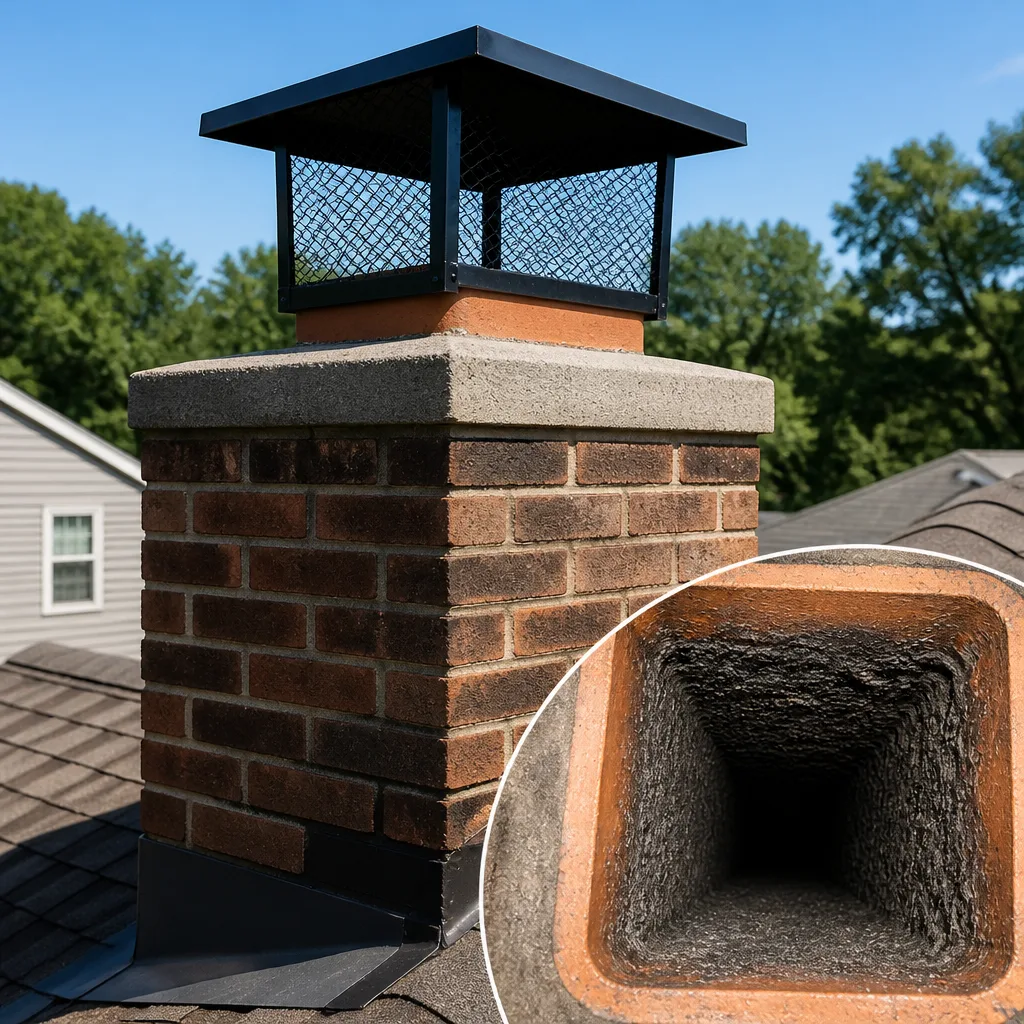 Sweep & inspection
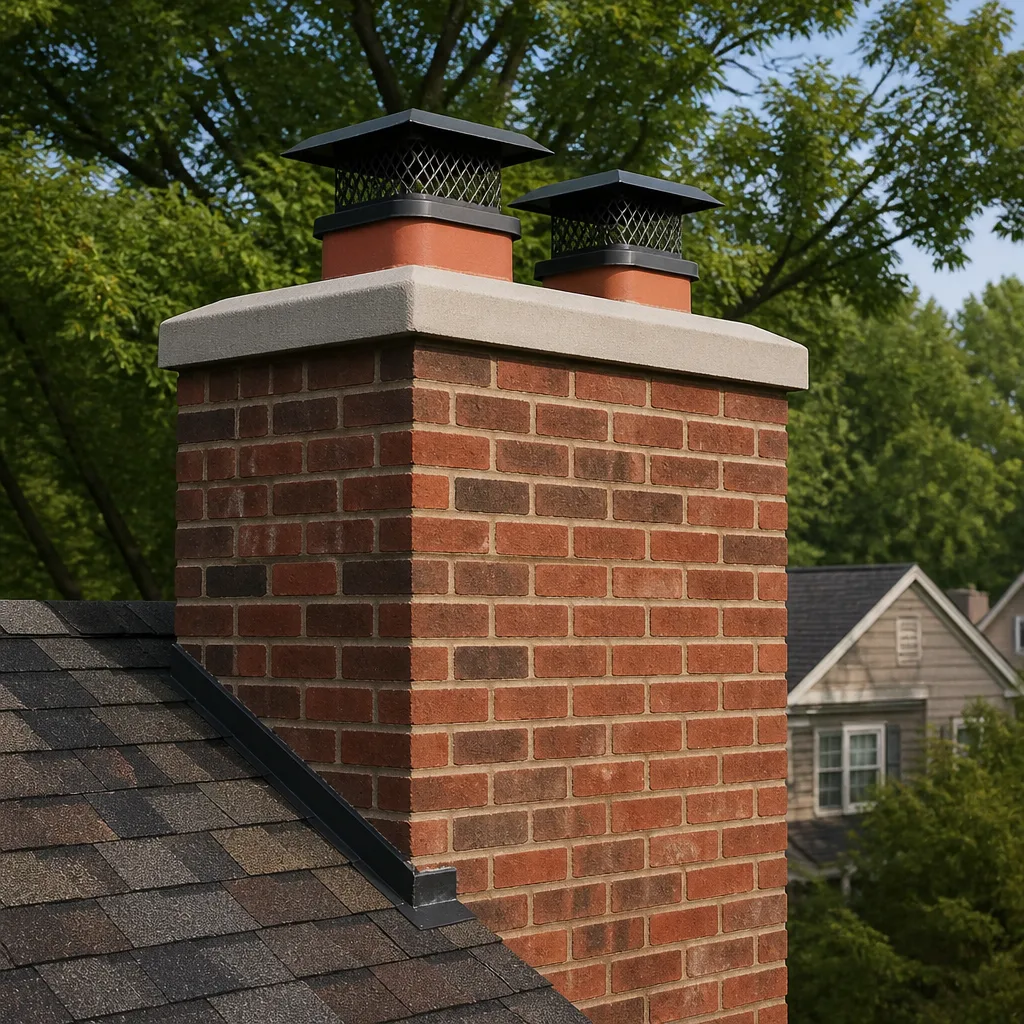 Caps & crowns
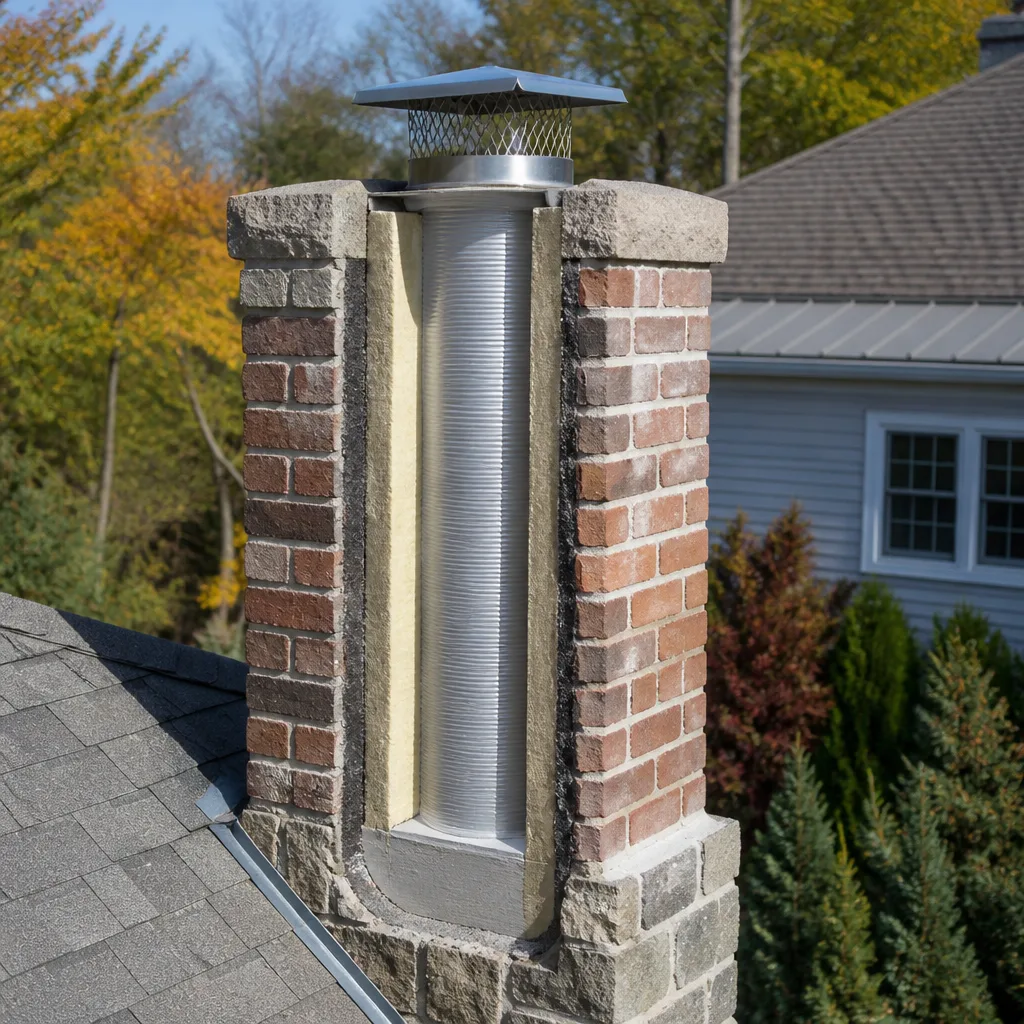 Flue relining
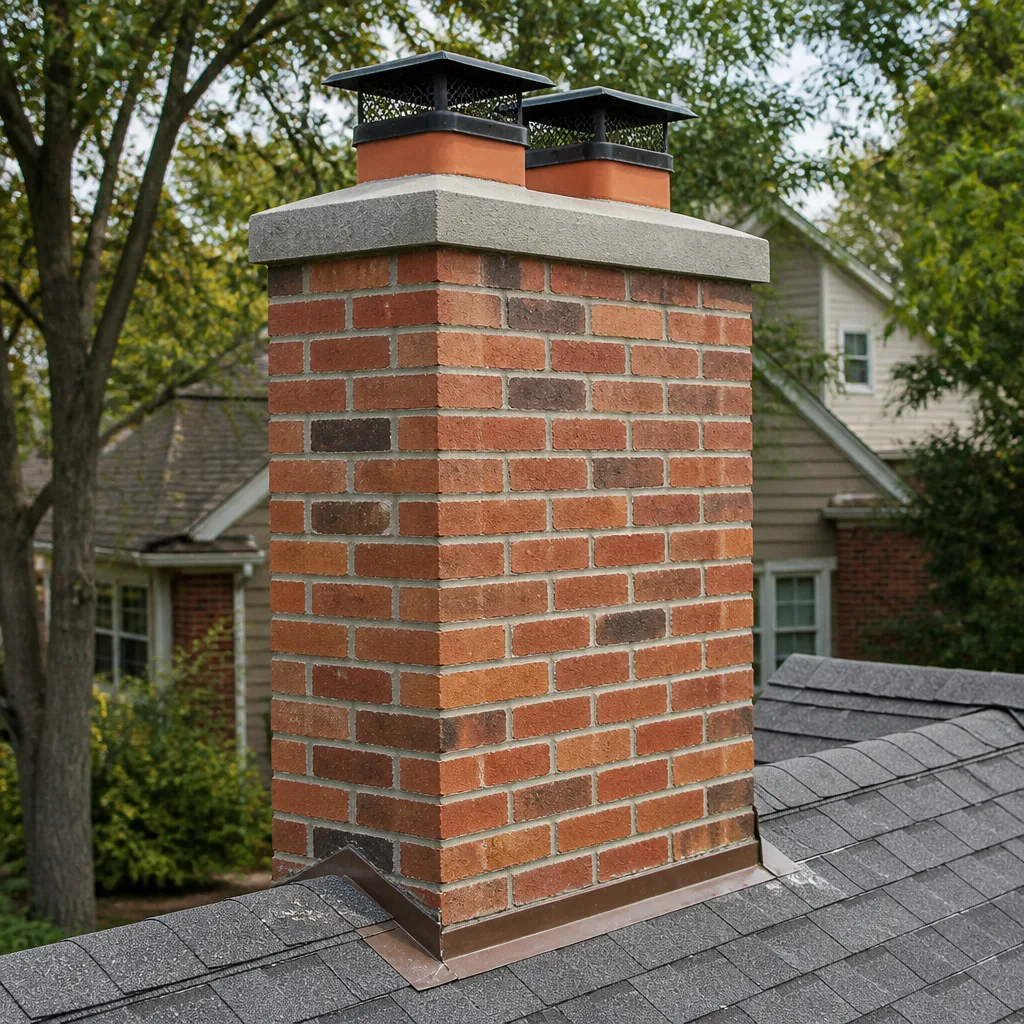 Masonry repair
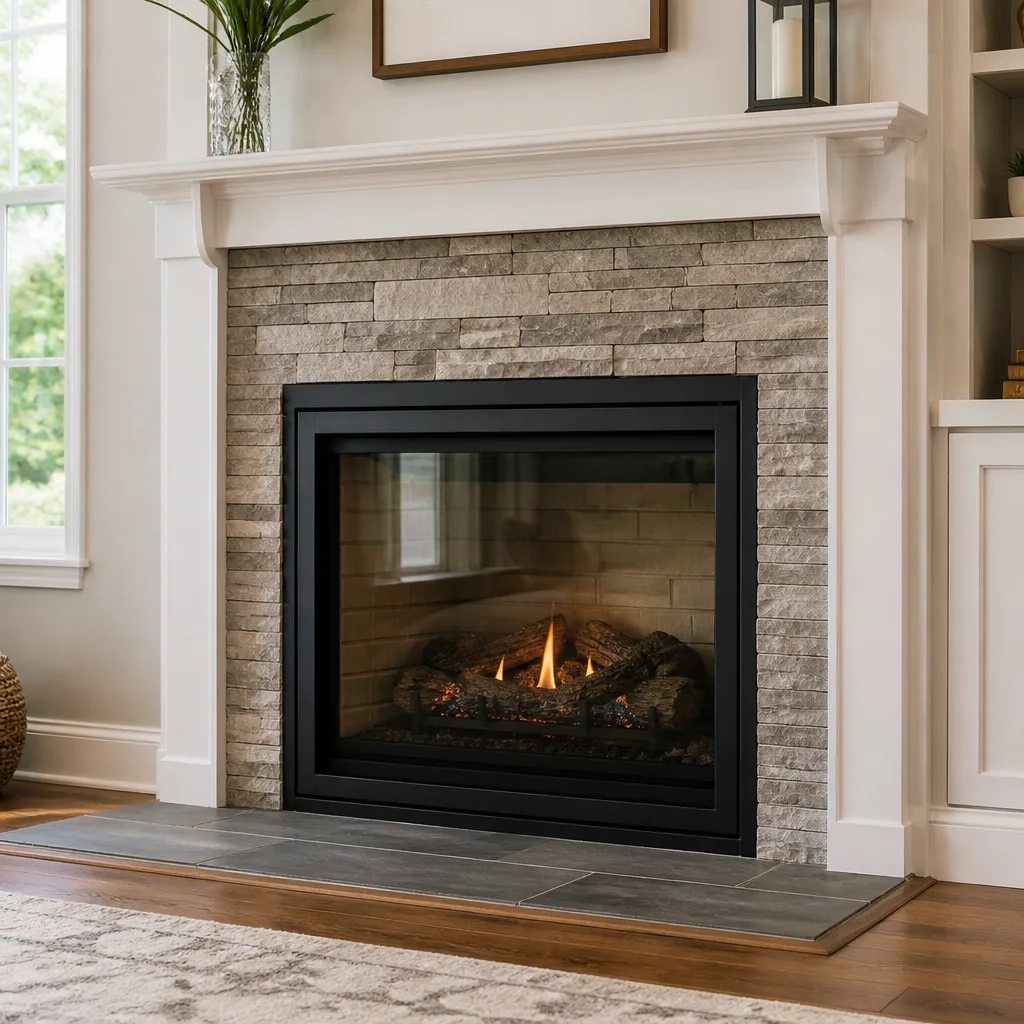 Gas fireplace service
Level 1 sweep and inspection to the NFPA 211 annual standard - flue, crown, cap, and flashing checked and photographed
Chimney sweep logs do not sweep chimneys. They loosen some creosote - which then falls where a brush and vacuum still have to collect it.
Chimney Sweep Troubleshooting in Lynnwood: Common Problems and How to Fix Them
A smoky firebox isn’t one problem. It’s at least seven distinct problems that look identical from the living room, and the fix for each one is different. That’s the part most troubleshooting checklists get wrong. They treat “smoke coming into the room” as a single fault to chase, when the real work is telling a house-tightness backdraft apart from a creosote blockage apart from a flue that was oversized for the firebox the day it was built. This guide walks through chimney troubleshooting in Lynnwood the way we actually diagnose it: system by system, from the firebox to the crown, so you can understand what you’re seeing and know when the fix is a sweep and when it’s something structural.
Quick Answer
Most chimney problems in Lynnwood trace back to one of a few root causes: a restricted or glazed flue, negative pressure from a tight house, an oversized flue relative to the firebox, or water getting into masonry because of a failed cap or crown. Diagnosing the actual cause before treating the symptom is what saves money. A proper sweep and inspection tells you which of these you’re dealing with, rather than replacing parts and hoping the smoke stops.
Styles & brands we work with
- Sweep & inspection
- Caps & crowns
- Flue relining
- Masonry repair
- Gas fireplace service
Table of Contents
- The Symptom Matrix: Why the Same Smoke Has Different Fixes
- Backdraft vs. Creosote: Two Problems That Look Identical
- How Lynnwood’s Wet Winters Damage Flue Tiles
- The Oversized Flue Problem in Lynnwood’s Tract Homes
- The Three Stages of Creosote and Why Stage Three Is Different
- Cap and Crown: What You Can Check Safely and What You Can’t
- HeatShield Resurfacing vs. DuraFlex Relining: Choosing the Right Repair
- A System-Level Inspection Sequence
The Symptom Matrix: Why the Same Smoke Has Different Fixes
Start here, because this is where most homeowners lose money. You light a fire. Smoke rolls out of the firebox into the room instead of going up the flue. From where you’re standing, that’s one symptom. But it can be caused by a blocked flue, a flue that’s too large for the firebox opening, a house that’s too tight and starving the fire of makeup air, a chimney that’s too short for the roof line, a closed or partly closed damper, a fire built too far forward on the grate, or a flue that’s cooled below the temperature needed to sustain draft. Each has a different fix, and applying the wrong one wastes a season.
Here’s how the symptoms line up against the likely causes, which is the fastest way to narrow things down before anyone gets on the roof:
- Smoke rolls out only on start-up, then settles: usually a cold flue. Pre-warming the flue with a rolled newspaper torch often fixes it. If it doesn’t, look at flue sizing.
- Smoke rolls out consistently, especially on windy days: negative pressure or a flue termination problem. The house is pulling air down the chimney instead of pushing it up.
- Smoke backs up as the fire grows hotter: restriction. Creosote, a nest, or a collapsed liner section is narrowing the flue.
- Smoke and a strong creosote smell even with no fire: a pressure imbalance in the house or a blocked flue pushing air back down.
- Draft is weak but there’s no smoke: oversized flue, short chimney, or a firebox opening that’s too large for the flue it serves.
In Lynnwood, the mix of older masonry chimneys and tightly built newer homes means we run into both pressure problems and restriction problems in the same neighborhood. Knowing which one you have changes everything about the repair. If you’re not sure which column your symptom falls into, a chimney sweep with a camera inspection will tell you, and that’s the diagnostic step worth paying for first.
Backdraft vs. Creosote: Two Problems That Look Identical
This is the single most important distinction in chimney troubleshooting, and it’s the one most homeowners never hear. A smoky firebox can mean the flue is blocked, or it can mean the house is pulling harder than the chimney is pushing. Those are opposite problems with opposite fixes, and treating one as the other is expensive.
Negative-pressure backdraft is a house-tightness issue. Modern homes, and older homes that have been air-sealed and given new windows, are efficient enough that they don’t leak much air. When a fire burns, it needs makeup air. If the house can’t supply it, the chimney becomes the path of least resistance and air comes down the flue instead of up. The fix isn’t a sweep. It’s giving the house a way to breathe: cracking a window near the fire, opening a return-air path, or in severe cases installing an outside air kit. Bathroom fans, kitchen range hoods, and clothes dryers all compete with the chimney for the same air, which is why backdraft often shows up when the range hood is running.
Creosote restriction is a sweeping issue. The flue is physically narrowed by soot, tar, or glazed creosote, or by a nest or debris. The fire can’t push smoke past the restriction, so it backs into the room. The fix is a sweep and, if the creosote is glazed, chemical treatment before sweeping.
How to tell them apart without climbing anything:
- Open a window a crack near the fireplace and relight the fire. If the smoke clears, you have a pressure problem, not a blockage.
- Turn off the range hood, bathroom fans, and dryer, then relight. Same logic. If draft improves, the house is competing with itself for air.
- If smoke backs up no matter what the house is doing, the odds shift toward restriction. That’s when you book an inspection.
We see both patterns across Lynnwood, and the frustrating cases are the ones where a homeowner paid for a sweep that didn’t fix the smoke because the real problem was pressure all along. A camera inspection settles the question.
How Lynnwood’s Wet Winters Damage Flue Tiles
Lynnwood gets a lot of rain, and rain is the enemy of a masonry chimney. Water doesn’t just sit on top of the crown and evaporate. It finds every crack, every failed mortar joint, every gap around the flue tile, and works its way into the brick and the terra cotta liner. When that water freezes and thaws through the winter, it expands and contracts inside the material. That cycle is what causes spalling: the face of a brick or flue tile flakes and breaks away.
Terra cotta flue tiles are especially vulnerable. They’re fired clay, and once a hairline crack opens in a tile, water gets behind it, freezes, and widens the crack. Over a few winters, a cracked tile can become a displaced or missing section of liner. That’s when the trouble escalates from a structural issue to a carbon monoxide risk, because the flue no longer has a continuous, sealed path to carry combustion gases up and out. Gases can escape through the crack into the chimney’s interior or into the house.
What to look for before it gets that far:
- Flaking or crumbling at the top of the chimney: spalling terra cotta, visible from the ground with binoculars.
- Rust stains or white mineral deposits on the exterior masonry: water is moving through the chimney.
- Dampness or a musty smell inside the firebox after rain: water is reaching the interior.
- Crumbling mortar joints in the firebox or smoke chamber: the liner is failing or already failed.
A cracked flue tile isn’t something to diagnose from the living room. It needs a camera run down the flue to see the full length of the liner. That’s part of a proper inspection, and it’s how we tell the difference between a liner that needs a local repair and one that needs relining before the next wet season. From the firebox to the crown, water is the most common root cause we find in Lynnwood chimneys that have gone a few seasons without attention.
The Oversized Flue Problem in Lynnwood’s Tract Homes
A lot of Lynnwood’s housing stock was built in the 1970s, 1980s, and 1990s, and those decades had a particular approach to fireplace construction that set up a draft problem homeowners still fight today. The flue was commonly sized to the chimney’s exterior dimensions rather than to the firebox opening. The result is a flue that’s far larger than the fire it serves.
Why that matters: draft depends on the fire heating the column of air in the flue so it rises. A flue that’s too wide for the firebox opening lets that column of warm air spread out and cool against the flue walls before it can rise. The chimney never gets hot enough to pull strongly, so smoke stalls and drifts into the room, especially at start-up and especially on mild days when the temperature difference between inside and outside is small. The fire “works” but the chimney doesn’t.
What this looks like in practice:
- The fireplace drafts poorly on mild days but seems fine on cold nights, when the temperature difference is bigger.
- Smoke hovers at the top of the firebox opening before spilling out rather than shooting up.
- A fireplace that’s been “fixed” more than once without lasting improvement.
The right fix depends on how far off the ratio is. Sometimes a flue-top damper or a draft-improving cap adjustment helps. Sometimes the answer is relining the flue down to a size that matches the firebox, which is where a flexible liner system like DuraFlex comes in: it lets us bring the flue down to the correct cross-section for the fire you actually burn. The point is that a smoky fireplace in an older Lynnwood home isn’t automatically a “bad fireplace.” It’s often a sizing problem that a system-level look can identify and correct.
The Three Stages of Creosote and Why Stage Three Is Different
Creosote builds up in every wood-burning flue, and how you deal with it depends entirely on which stage it’s in. This is one of the most useful things a homeowner can understand, because it determines whether a standard sweep does the job or whether the flue needs chemical treatment first.
Stage one: soot and light flake. This is the dusty, flaky black coating that forms in the first weeks of burning and brushes off easily. A standard sweep removes it completely. If your flue is at this stage, you’re in good shape and a routine sweep keeps you there.
Stage two: tar and hardened flake. Creosote has condensed into a stickier, harder deposit. It still responds to sweeping, but it takes more work and sometimes a second pass. This stage is a warning sign: your fire isn’t burning hot enough, or your wood is too wet, or both.
Stage three: glazed creosote. This is the hard, shiny, tar-like coating that looks almost like black glass on the flue walls. It’s the most combustible form of creosote, and it’s the one most associated with chimney fires. Here’s the critical part: glazed creosote does not brush off. Running a brush against it can polish it and make it harder, or chip it loose in chunks that then need removal. Stage three needs chemical treatment to soften and break it down before a sweep can remove it. That’s a different service than a standard sweep, and it’s the reason a technician should assess the creosote stage before booking the job.
In Lynnwood, the wet winters make stage two and stage three more common than you’d expect, because wood stored outdoors picks up moisture. Wet wood burns cooler, produces more creosote, and deposits it faster. If you’re burning wood that’s been sitting out in the rain, you’re feeding stage two and stage three directly. The fix is dry, seasoned wood and a hot fire, plus a sweep before the heating season starts.
Cap and Crown: What You Can Check Safely and What You Can’t
Your cap and crown are the chimney’s first line of defense against water, and they’re also the parts homeowners can actually assess from the ground or a safely positioned ladder. Water intrusion is the leading cause of masonry chimney damage, and most of it comes through a failed cap or a cracked crown. Catching either early is the difference between a small repair and rebuilding the top of the chimney.
What you can check safely, from the ground or a stable ladder with the right footwear, without getting on the roof:
- Look at the cap from below with binoculars. Is it sitting level? Is the mesh intact? Are there gaps where birds or rain can get in? A cap that’s missing, rusted through, or knocked loose needs to be replaced.
- Inspect the crown edge from below. The crown is the concrete cap at the very top of the chimney that slopes water away from the flue. A visible crack, a chunk missing, or a crown that’s flat instead of sloped means water is getting in.
- Check the exterior masonry at eye level. Efflorescence (white mineral staining), rust stains, or crumbling mortar joints all point to water moving through the chimney.
- Look down the flue from the firebox. With the damper open, shine a strong light up the flue. You should see a continuous dark passage. If you see daylight through the flue walls, the liner is broken.
What you should not do: climb onto a steep roof, stand on a wet or mossy roof, or try to move the cap or crown yourself. Roof work is where serious falls happen, and the top of a chimney is often higher and steeper than it looks from the ground. Checking the cap and crown is something a trained technician does with proper fall protection. We work with Gelco and Copperfield caps because a cap that sits and seals properly is the whole point of the job: stop the water before it reaches the masonry.
Crown work is also a named service for us, not an afterthought, because a crown that’s failed is the first domino in a long and expensive chain. Before water reaches the masonry is the time to fix it.
HeatShield Resurfacing vs. DuraFlex Relining: Choosing the Right Repair
When a flue has failed, there are two main routes to fixing it, and the choice between them comes down to how bad the damage is and what the flue is made of. This is where real diagnostic skill shows, because the two options solve different problems.
HeatShield resurfacing is a ceramic-based repair applied to the inside of the flue. It’s for flues with localized damage, like cracked joints or a section of terra cotta that’s spalled, where the structure of the flue is still mostly sound. The ceramic material bonds to the existing flue and restores a smooth, continuous surface. It’s a lesser-known option, which is why it’s worth knowing about: it can restore a flue without a full relining, and when it fits the situation it’s often the more economical and less invasive choice. We’re certified to apply HeatShield, and we recommend it only when the flue’s condition actually supports it.
DuraFlex relining is for flues that are too far gone for resurfacing: unlined chimneys, flues with gaps or displaced tiles, or flues that are the wrong size for the firebox. A flexible stainless liner goes down the existing chimney, creating a new continuous flue inside the old one. It’s the right answer when the original flue can’t be trusted to contain combustion gases. DuraFlex is one of the professional-grade liner systems we source because it’s designed for the range of flue shapes and conditions we see in Lynnwood’s older homes.
How we choose:
- Mostly sound flue with cracked joints or localized damage: heatShield resurfacing is often the fit.
- Unlined flue, displaced or missing tiles, or a flue that needs resizing: relining with DuraFlex.
- Glazed creosote present: chemical treatment before either repair, since the creosote has to come off first.
The repair is only worth doing if it’s the right one for the flue in front of us, and the inspection is what makes that call possible.
A System-Level Inspection Sequence
Good troubleshooting isn’t a checklist of parts; it’s a sequence that moves from the firebox outward and eliminates causes as it goes. This is roughly the order we work through in a Lynnwood home, and understanding the sequence helps you see why a proper inspection takes more than a quick look up the flue.
- Start at the firebox. Check the damper for operation and seal, the firebox walls for cracks, the grate placement, and the smoke chamber for creosote buildup and crumbling mortar.
- Evaluate the firebox-to-flue ratio. The opening size and the flue cross-section have to match. This is where oversized-flue problems surface.
- Check draft under real conditions. Observe how the fire behaves on a mild day, with and without the house’s fans running. This separates pressure problems from restriction.
- Camera the flue. Run a camera the full length of the flue to see the liner’s condition, the creosote stage, and any cracks, gaps, or displaced tiles.
- Inspect the smoke chamber and the top of the flue. The smoke chamber is often the most overlooked part, and a rough or badly shaped chamber hurts draft.
- Move to the cap and crown. Check the cap’s seal and mesh, the crown’s slope and condition, and the masonry at the top of the chimney.
- Review the exterior. Look for spalling, efflorescence, rust stains, and failed mortar joints on the sides of the chimney.
- Photograph everything. A camera inspection and photo report are included so you can see what we see and verify the recommendation yourself.
That sequence is the difference between treating a symptom and finding the cause. It also means you get a plain explanation of what’s wrong and what it will take to fix it, from the firebox to the crown, in a single visit rather than a handoff between contractors.
Common Mistakes to Avoid
- Blaming the fireplace for a house-pressure problem. If the range hood or bathroom fan is running while you burn, the chimney may be fine and the house may just be starved for air. Try the window test before you book a repair.
- Sweeping stage-three creosote with a brush. Glazed creosote has to be chemically softened first. Brushing it directly can harden it or knock it loose in a way that makes the flue harder to clean.
- Sealing the chimney cap or crown with caulk to “stop the leak.” Caulk on a failed crown traps water inside the masonry, and in Lynnwood that means freeze damage comes back worse next winter. The fix is a proper crown repair or replacement.
- Burning wet wood to save money on fuel. Wet wood burns cooler, produces more creosote, and pushes the flue toward stage two and stage three faster than dry wood ever will.
- Skipping the flue camera because the draft “seems okay.” A cracked flue tile can vent carbon monoxide into the house long before you notice a draft problem. The camera is how you rule that out.
- Replacing the cap without checking the crown. Water usually comes in at both points. Fixing one and leaving the other is a repair that fails the following winter.
- Assuming a sweep solves every smoke problem. If the cause is flue sizing or negative pressure, a sweep won’t change the draft. Diagnose first, then book the right service.
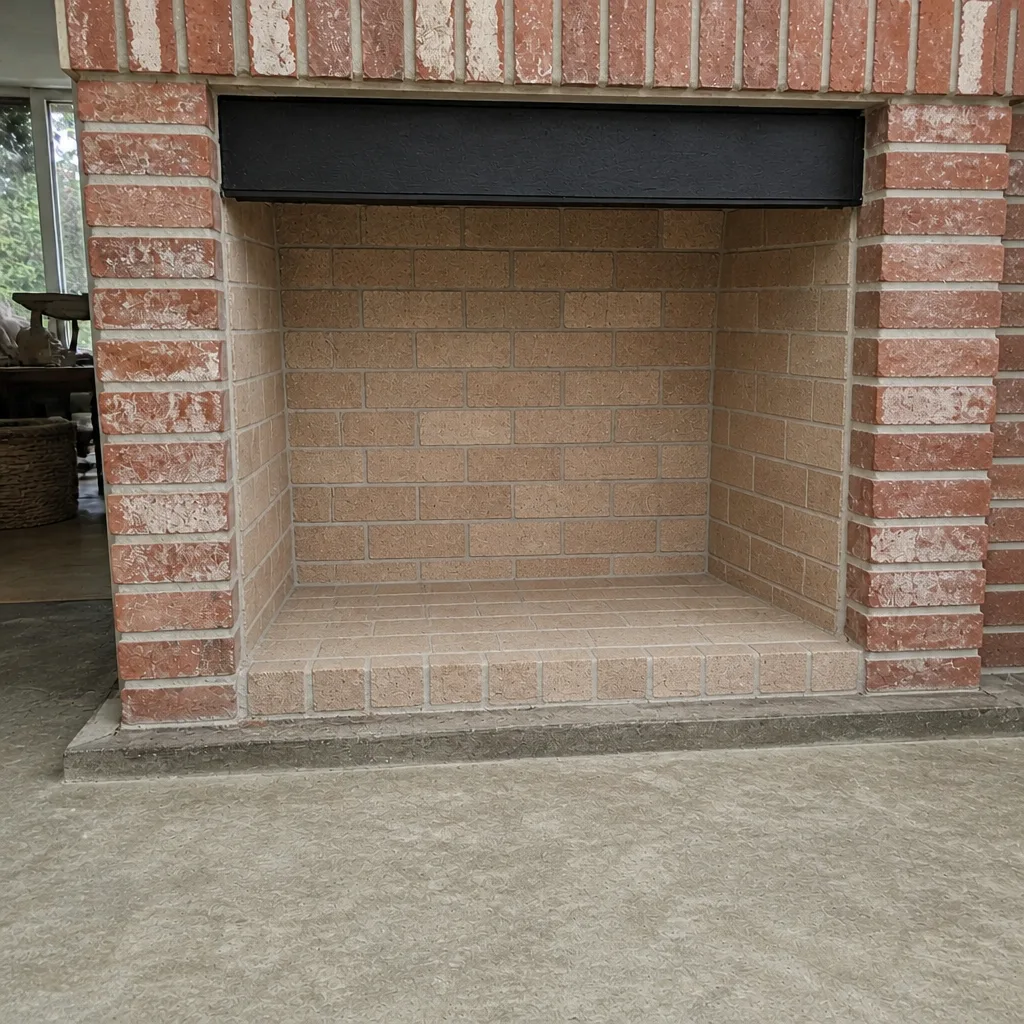
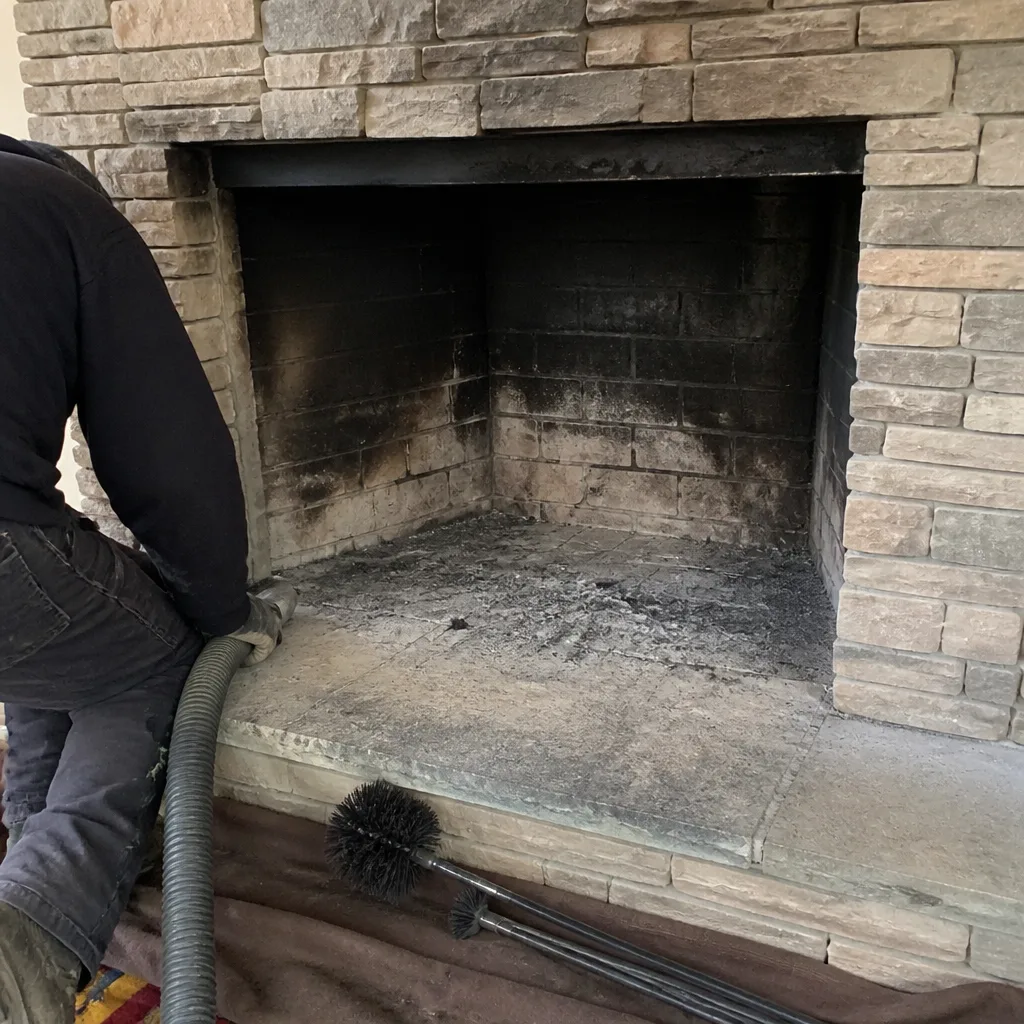
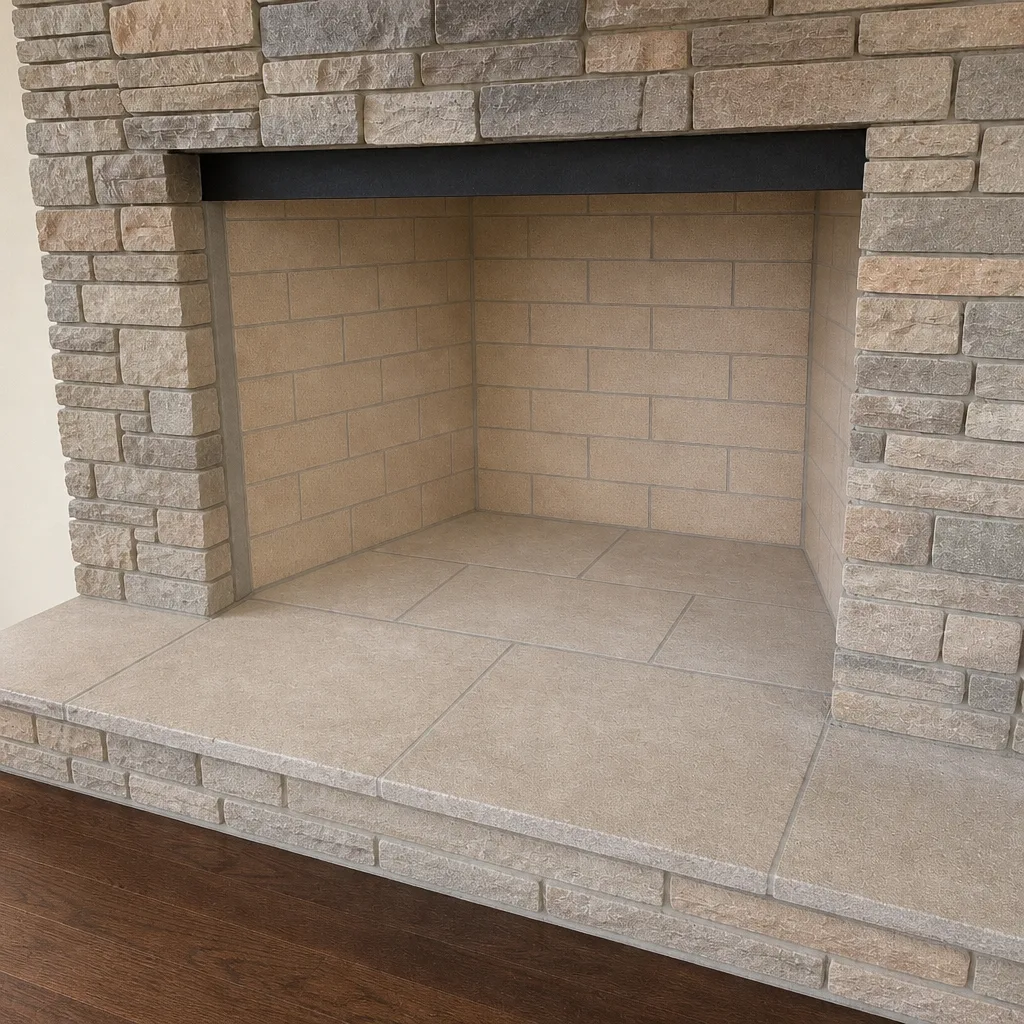
See the difference
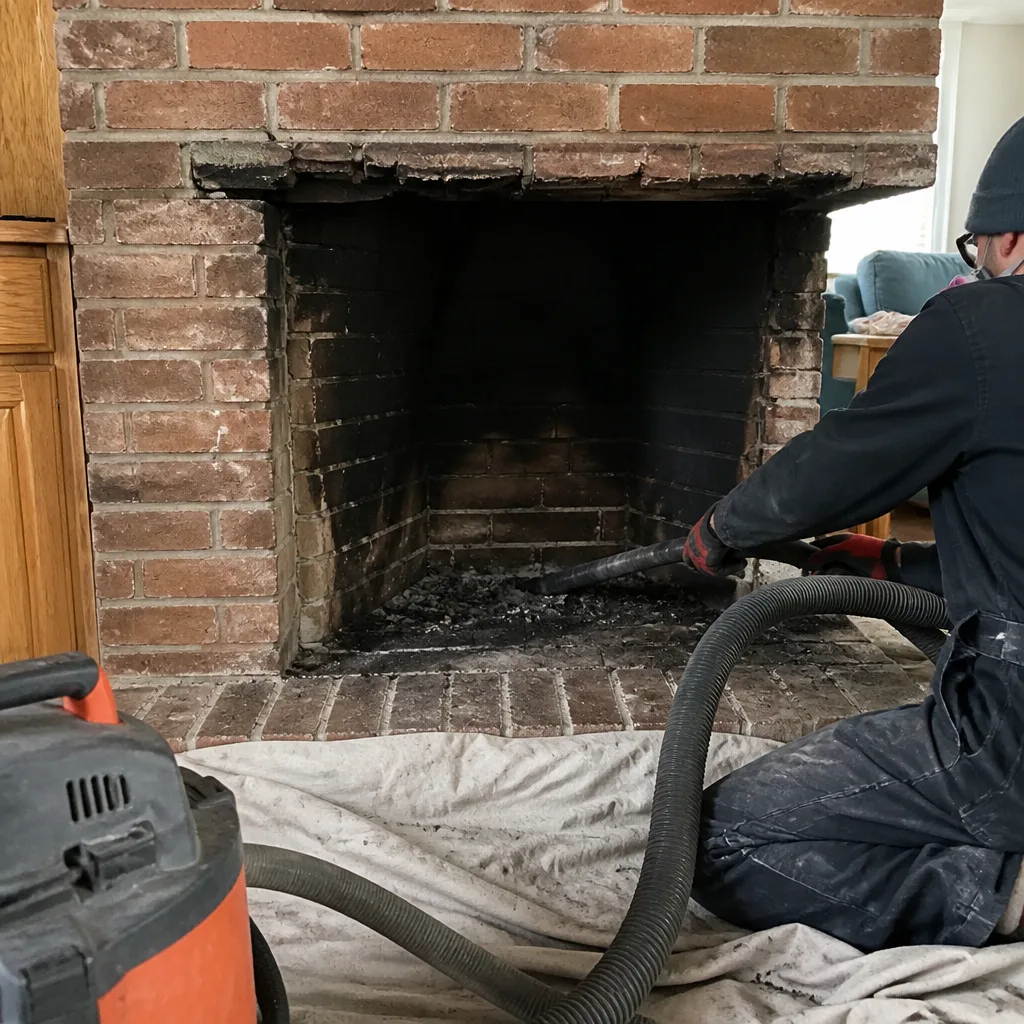 Before
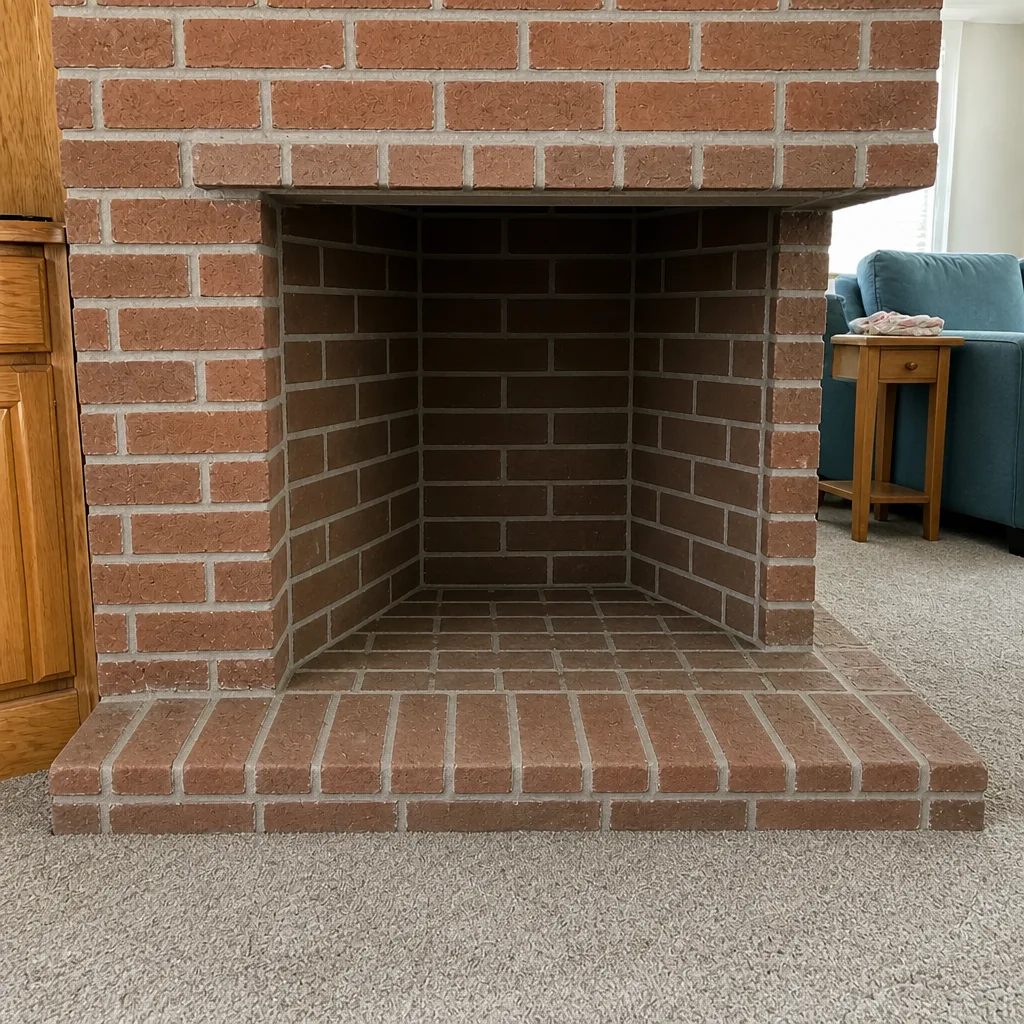 After
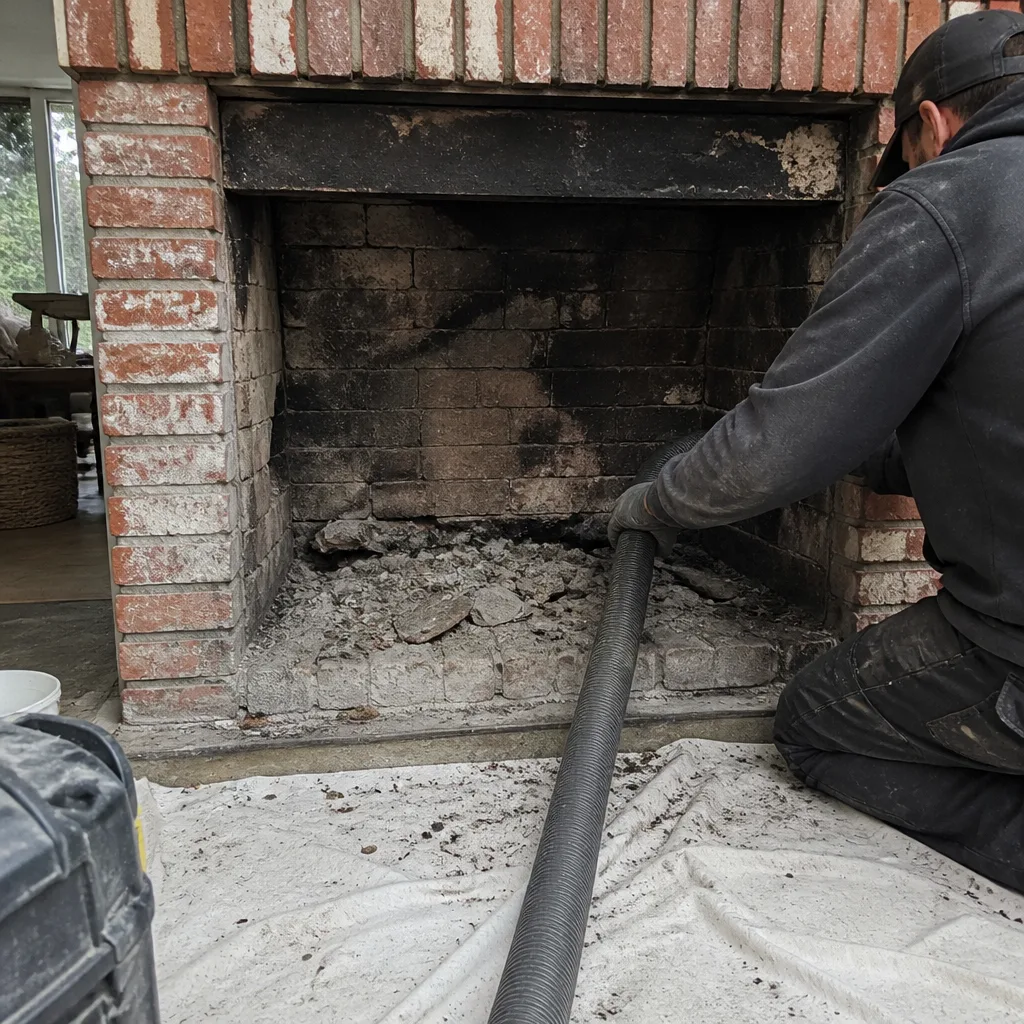 Before
 After
 Before
 After
When to Call a Professional
Some chimney work is safe to check yourself: a look at the cap with binoculars, a glance at the crown, a light inside the firebox. But the moment the problem moves past observation, it’s time to call. Call us if smoke backs into the room and the window test doesn’t fix it, if you can see daylight through the flue walls, if there’s glazed creosote on the flue, if the crown is cracked or the cap is missing or damaged, if the masonry is flaking or showing water stains, or if you’ve never had the flue camera-inspected and you burn regularly. Carbon monoxide is the reason not to put off a flue inspection: a cracked liner can leak combustion gases into the house with no smoke and no smell.
A chimney inspection tells you exactly what’s wrong and what it takes to fix it, before anyone swings a hammer. Chimney Sweep Lynnwood offers free estimates in Lynnwood. Call (855) 550-7286. We answer 24/7. Fast dispatch from 7am to 7pm, Sunday through Friday. Nothing gets recommended without camera evidence you can see for yourself, and we’ll tell you plainly when a repair can safely wait.
Frequently Asked Questions
A standard chimney sweep is priced per job by a written estimate, and glazed creosote that needs chemical treatment is a separate job from a routine sweep, so the quote depends on the flue’s condition. The best way to know is to book the inspection and get the flat-price sweep agreed before the work is scheduled. Call (855) 550-7286 for an exact quote; estimates are free.
Not always. A flue that’s mostly sound with cracked joints may still be a candidate for HeatShield resurfacing rather than a full relining. A new liner is the right call when the flue is unlined, has displaced or missing tiles, or is the wrong size for the firebox. The camera inspection is what decides it, and you’ll see the footage.
The rule of thumb is once a year for a regularly used fireplace, and more often if you burn a lot or burn wood that isn’t well seasoned. Lynnwood’s wet winters make it easy to end up with damp wood, which speeds creosote buildup. Getting a sweep before the burning season starts is the low-effort way to stay ahead of it.
Creosote builds up in stages, and the later stages are more combustible and harder to remove. A restricted flue also weakens draft, so the fire smokes more and produces more creosote, which is a feedback loop. Beyond the creosote, water getting into a failed crown or cap damages the masonry, and a cracked flue tile can leak carbon monoxide. Call (855) 550-7286 for an exact quote on a sweep before the season starts; estimates are free.
Smoke on mild days is often a sign the flue is oversized for the firebox, which is common in Lynnwood’s 1970s to 1990s tract homes. When the temperature difference between inside and outside is small, the chimney has less help from the stack effect, and a flue that’s too wide won’t get hot enough to pull well. A system-level inspection tells you whether the fix is a draft correction or a reline to the right size.
Yes, crown repair and replacement is a named service for us, not an afterthought. A cracked or flat crown lets water into the masonry, and in Lynnwood’s climate that water freezes, expands, and causes spalling and mortar failure. Fixing the crown, along with a proper cap, is how you stop water before it reaches the masonry. Call (855) 550-7286 to book an inspection; estimates are free.
The Bottom Line
Most chimney problems in Lynnwood have one diagnosable root cause, and the fix depends on identifying it correctly. A smoky firebox can be a pressure problem or a creosote problem, and the fixes are opposite. Wet winters here accelerate flue tile damage, so a camera inspection is the only way to be sure a cracked liner isn’t leaking carbon monoxide. Oversized flues in older tract homes explain a lot of stubborn draft issues. Glazed creosote needs chemical treatment before a sweep. And a failed cap or crown is the start of most water damage, which is why it’s worth fixing before the water reaches the masonry. Diagnose the cause, then treat it.
Chimney Sweep Lynnwood handles the full system, from the sweep and inspection through fireplace repair, chimney repair, and cap and crown work, so you’re not handing the job off between contractors. Call (855) 550-7286. We answer 24/7. Fast dispatch from 7am to 7pm, Sunday through Friday. Estimates are free, and nothing gets recommended without evidence you can see.
Written by the team at Chimney Sweep Lynnwood.