
Last updated November 25, 2026
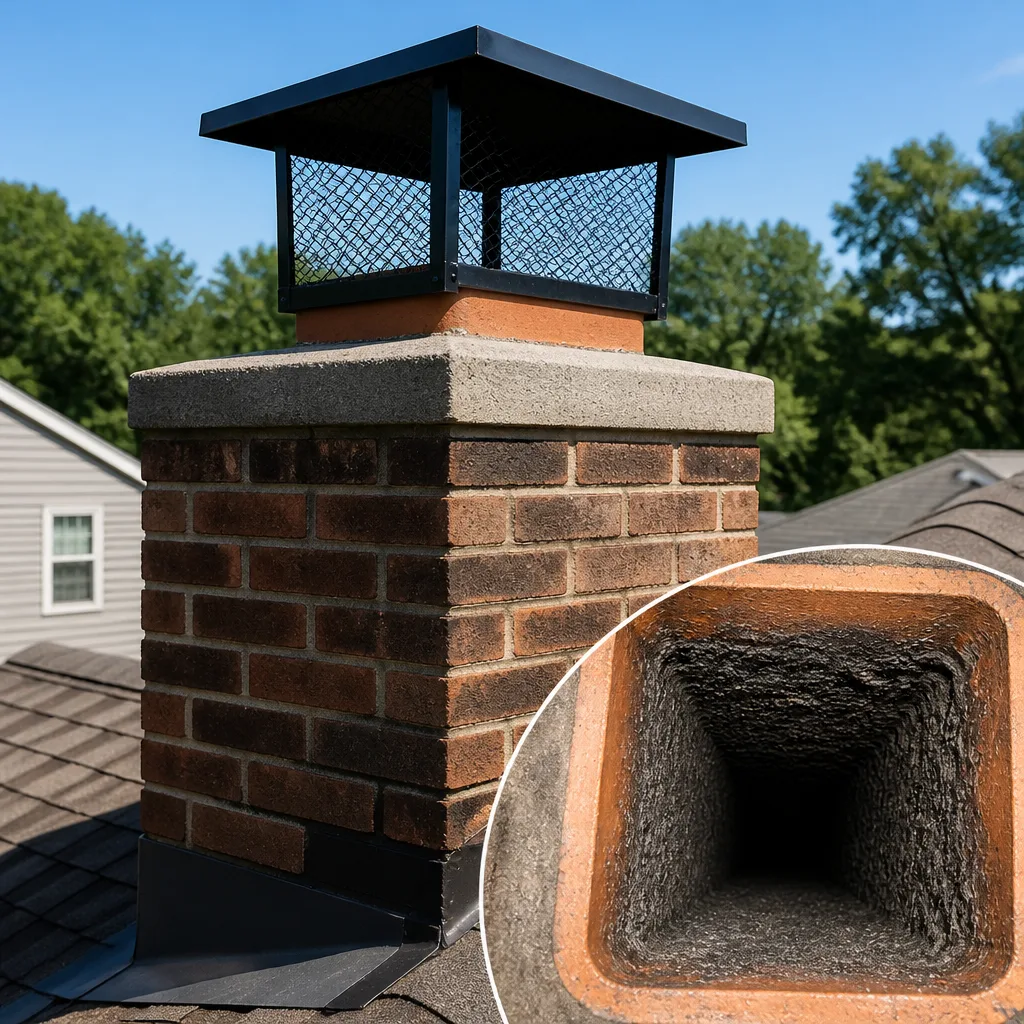 Sweep & inspection
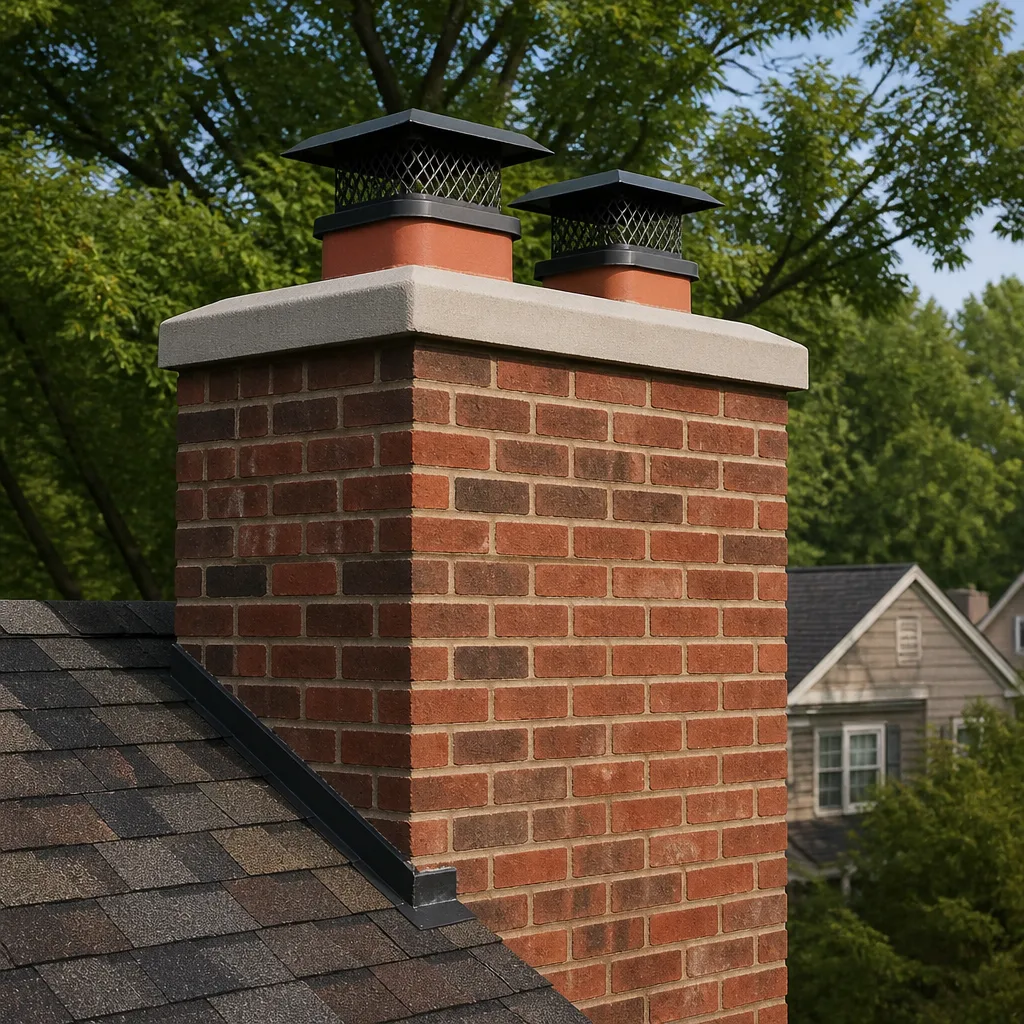 Caps & crowns
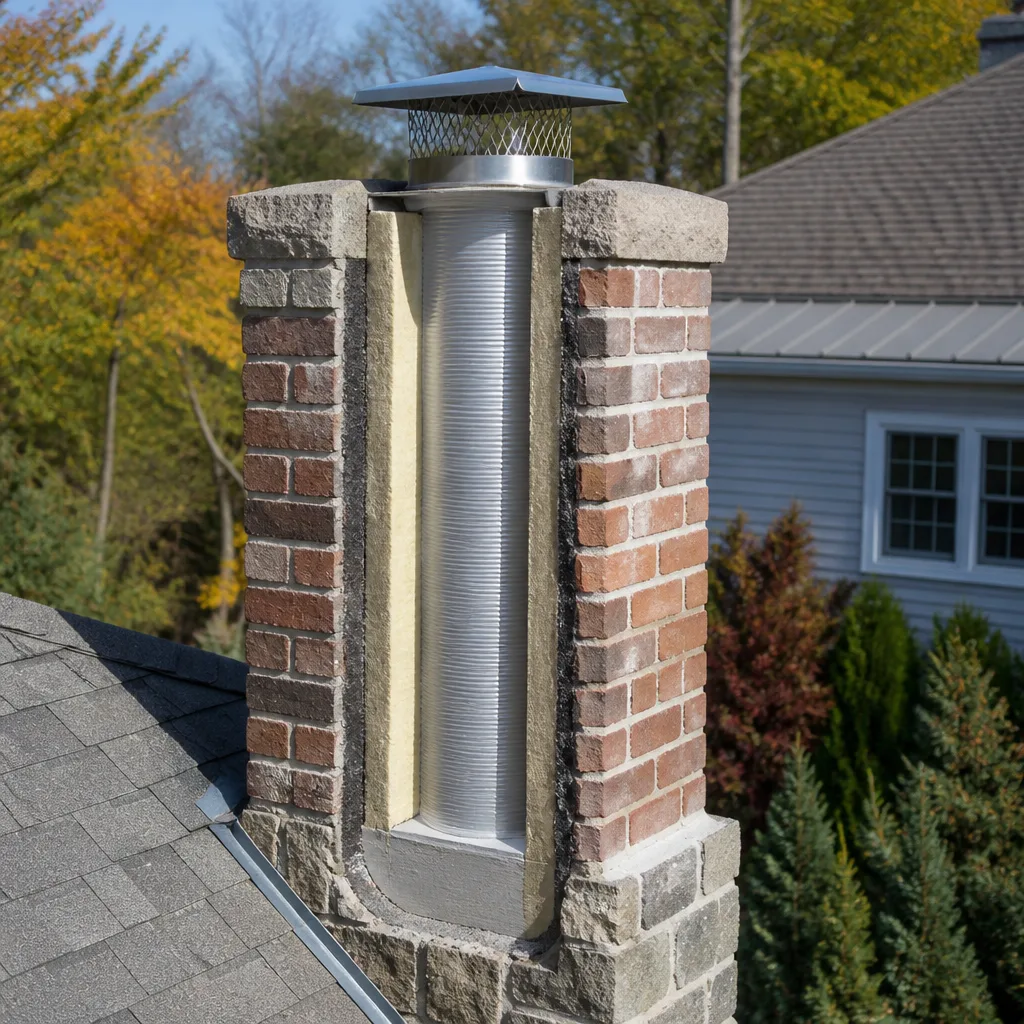 Flue relining
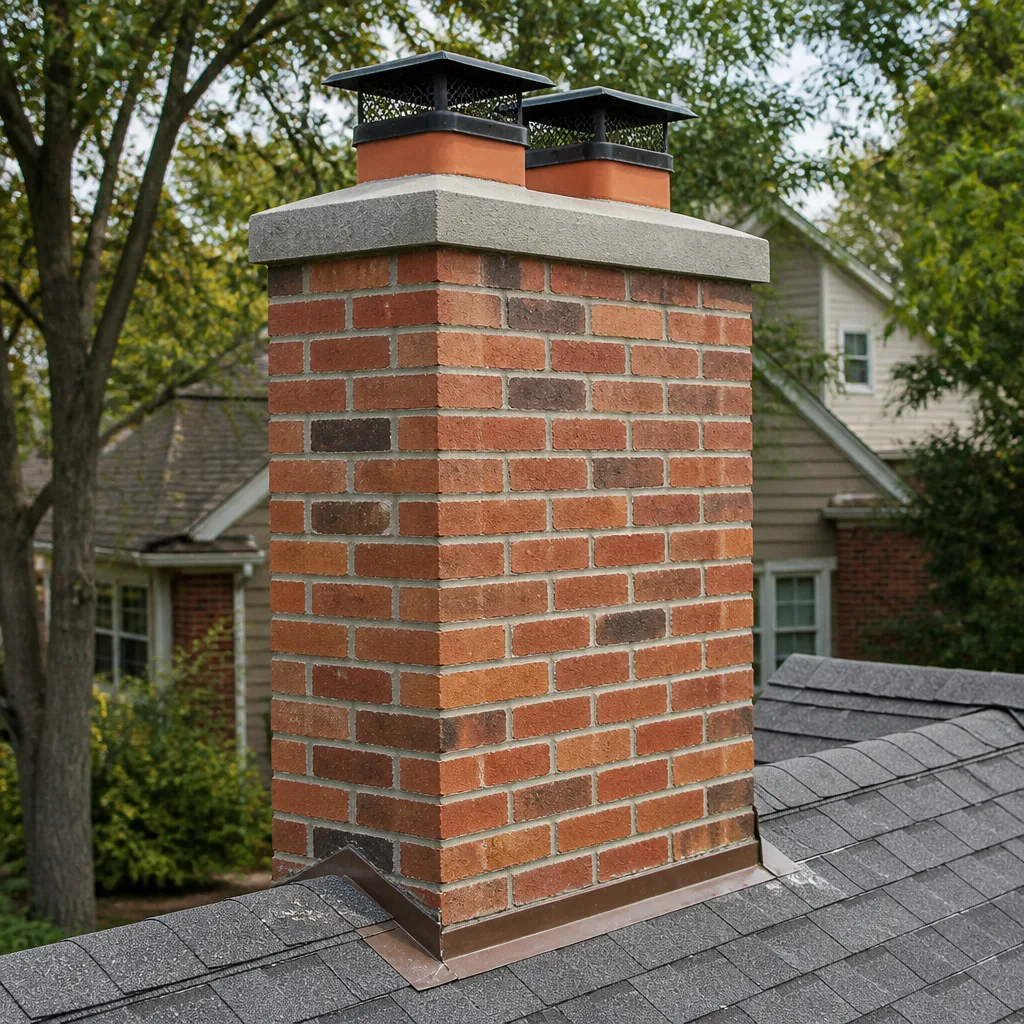 Masonry repair
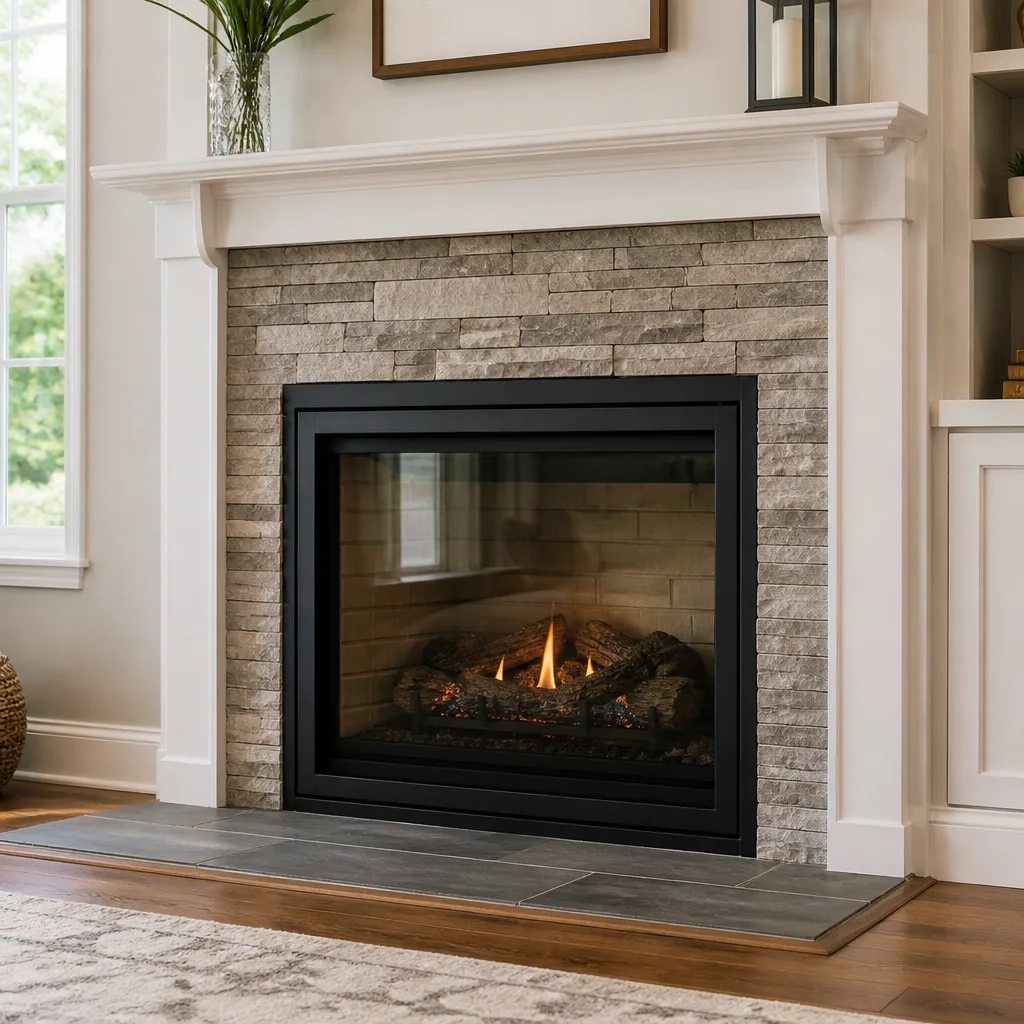 Gas fireplace service
Level 1 sweep and inspection to the NFPA 211 annual standard - flue, crown, cap, and flashing checked and photographed
Chimney sweep logs do not sweep chimneys. They loosen some creosote - which then falls where a brush and vacuum still have to collect it.
Chimney Cleaning Cost Breakdown: The Lynnwood Homeowner’s Reference for 2026
A $79 sweep coupon looks like the smartest line on your household budget until you learn what it leaves out. In Lynnwood, the cheapest advertised cleaning almost never includes a written inspection report, a camera scan of the flue, or any work in the smoke chamber, which is exactly where the heaviest and most dangerous creosote collects. The low price isn’t a bargain; it’s a partial job on the part of the chimney that matters most. This reference walks through what an honest cleaning quote contains, what each piece should cost in the Lynnwood market this year, which add-ons are real and which are padding, and how to compare two proposals line by line before you sign.
Quick Answer
A full-scope chimney sweep with a Level 1 inspection in Lynnwood typically runs $180 to $350 depending on system type, flue height, and creosote stage, and a standalone inspection is usually $125 to $250. Quotes below roughly $120 for a “complete” cleaning almost always skip the smoke chamber, the camera scan, or the written report. The written estimate you receive after an on-site look sets the final price, and estimates are free.
Styles & brands we work with
- Sweep & inspection
- Caps & crowns
- Flue relining
- Masonry repair
- Gas fireplace service
Table of Contents
- What belongs in a real chimney cleaning quote
- Itemized cost breakdown for Lynnwood in 2026
- What legitimately raises the price
- Add-ons: necessary, optional, and padding
- The cost of waiting
- How to read two quotes side by side
- Lynnwood homes and why chimney work here looks the way it does
- Common mistakes to avoid
What Belongs in a Real Chimney Cleaning Quote
A legitimate chimney cleaning proposal covers the whole flue path, not just the firebox. From the firebox to the crown, a sweep that stops at the damper has cleaned the easy third of the system. The smoke chamber above the damper is where creosote glazes onto the corbelled masonry, and it’s the section most vulnerable to a chimney fire. If a coupon sweep doesn’t mention it, it isn’t being cleaned.
Here’s what a full-scope sweep with a Level 1 inspection should contain in Lynnwood, listed as line items rather than one lump price:
- Protective setup – drop cloths, a sealed work area, and a running shop vacuum with HEPA filtration so no soot reaches the living space.
- Flue brushing, full length – rotary or poly brushes sized to your flue, worked from the top down or bottom up through the damper.
- Smoke chamber cleaning – hand-scraping and brushing of the corbelled zone above the damper, often with a chemical agent for glazed creosote.
- Firebox and damper service – sweeping the firebox floor, checking the damper plate, and confirming it opens and closes fully.
- Camera scan of the liner – a video inspection of the flue interior to spot cracked tiles, gaps at joints, or a failed factory-built liner.
- Written inspection report with photos – the documentation you keep, not a verbal “looks good” at the door.
- Debris removal – soot and creosote bagged and hauled out, not left for you.
Any proposal that omits the smoke chamber or the camera scan is describing a partial job. That’s the single most useful filter when you’re comparing prices.
Itemized Cost Breakdown for Lynnwood in 2026
Typical estimated ranges for the Lynnwood market this year break down roughly like this. Treat these as planning figures; the written estimate after an on-site look sets the final price.
| Line item | Typical estimated range | Notes |
|---|---|---|
| Standard sweep, masonry fireplace | $180 – $280 | Single flue, accessible roof, light to moderate creosote |
| Standard sweep, factory-built fireplace | $165 – $250 | Prefab units are often quicker to clean |
| Sweep with wood insert removal and reinstall | $250 – $400 | The insert has to come out to reach the flue properly |
| Level 1 inspection (standalone) | $125 – $250 | Visual plus basic camera check; no bundled service required |
| Level 2 inspection with camera scan | $200 – $400 | Full video documentation, recommended after a change or a chimney fire |
| Creosote removal, stage 3 (glazed) | $300 – $700 additional | Glazed creosote needs chemical treatment and repeat work |
| Chimney cap installation | $150 – $400 | Depends on flue count and cap material |
| Crown repair or rebuild | $350 – $1,200 | Small crack repair versus full crown replacement |
| HeatShield flue resurfacing | $1,200 – $2,800 | Ceramic resurfacing instead of full relining |
| DuraFlex stainless liner installation | $2,500 – $5,000 | Full reline for a deteriorated or unlined flue |
Those numbers explain the spread you see in search results. A $79 coupon and a $310 full-scope sweep aren’t the same product, and they shouldn’t be. When someone quotes a price that low, ask which of the seven line items above it covers.
What Legitimately Raises the Price
Several factors genuinely change what a cleaning costs, and knowing them stops you from feeling sandbagged when a quote comes in higher than you expected.
- System type. Masonry chimneys take longer than factory-built units because there’s more surface, more creosote buildup, and the smoke chamber is larger. A prefab metal flue is a quicker path.
- Flue height. A tall flue means more brushing and more time on the roof. Two-story homes in Lynnwood generally cost more to clean than single-story ranchers, simply because there’s more pipe.
- Wood-burning insert. If you’ve got a stove insert sitting in the firebox, it has to be pulled to reach the flue and the smoke chamber behind it, then reset. That’s real labor.
- Creosote stage. Stage 1 is soot that brushes off easily. Stage 2 is flaky, crusty creosote. Stage 3 is glazed and hard as glass, and it takes chemical treatment and sometimes repeat visits to fully remove. Stage 3 pricing is where quotes legitimately jump.
- Roof accessibility. Steep pitch, a high roof, or obstructions around the chimney add setup time and safety precautions. That’s not upselling; it’s the reality of getting to the flue safely.
Those are the honest reasons a quote runs high. If a technician can’t point to one of them when you ask why your price is above the low end, that’s a different conversation.
Add-Ons: Necessary, Optional, and Padding
Add-on services are where padding hides, and it pays to know which recommendations are genuine. A chimney inspection tells you exactly what your system needs; it isn’t a sales funnel. Here’s how to sort the common suggestions.
Genuinely warranted
- Waterproofing treatment on masonry. Lynnwood sees steady rain through the wet months, and a masonry chimney without a water repellent coating absorbs moisture that freezes, expands, and spalls the brick. If the crown is sound and the masonry is bare, a breathable water repellent is a legitimate preventive step.
- Chimney cap and crown work. Water intrusion is the leading cause of masonry chimney damage, and a missing or cracked cap is the number one way water gets in. We install Gelco caps and rebuild crowns because stopping water before it reaches the masonry prevents the structural damage that leads to relining.
- Level 2 camera inspection after a chimney fire, a flue change, or a house sale. These are the moments the interior condition actually matters to your safety and your transaction.
Optional but worth considering
- Dryer duct cleaning. A legitimate service, but it’s separate from chimney work. Only take it if your dryer runs long or you’ve noticed lint buildup. Don’t let it get bundled into a chimney cleaning as if it’s mandatory.
- Air duct cleaning. Again, a real service with its own logic, but entirely unrelated to your chimney. A sweep quote that pushes air duct cleaning is padding, not chimney care.
Padding
Watch for vague “full system treatment” charges with no line-item description, or a cap “recommendation” that appears before anyone has looked at your cap. Any recommendation should be tied to a photo or camera evidence you can see yourself. If a suggestion can’t be backed by what the camera found, it can wait.
The Cost of Waiting
Here’s the number that matters most: catching a cracked flue tile during a routine $250 sweep typically means a HeatShield resurfacing or a spot repair in the $1,200 to $2,800 range. Missing that same crack and letting creosote collect behind it until a chimney fire damages the flue means a complete stainless relining at $2,500 to $5,000, plus the cost of the fire damage above and beyond the flue. The gap between those two outcomes is the entire argument for regular cleaning.
The mechanism is simple. Creosote builds, a cracked or unsealed tile lets heat and embers reach the framing around the chimney, and the fire spreads into the chase. Making it worse, many Lynnwood homes were built with unlined or minimally lined flues that don’t meet current code; an inspection is how you find out, because an unlined flue is a fire waiting for the right creosote load.
There’s also carbon monoxide. A blocked or partially obstructed flue sends exhaust back into the house instead of up and out. A sweep confirms the flue is clear, and the inspection confirms it’s structurally sound. That’s a safety result, not a cosmetic one, and it’s why skipping the sweep is a bad trade even when the firebox looks clean from below.
None of this is meant to rush you into work you don’t need. It’s meant to tell you that the cheap route isn’t. The typical waste is paying twice: once for the coupon sweep, and again for the full job that was always going to be required.
How to Read Two Quotes Side by Side
When you have two chimney cleaning proposals in front of you, don’t compare totals first. Compare scope. Five line items should appear in any legitimate chimney cleaning proposal, and their absence is your clearest signal.
- What’s being cleaned. Does it name the flue, the smoke chamber, the firebox, and the damper as separate items? Or just “chimney cleaning”?
- What inspection level is included. Is it a Level 1 visual, or does it include a camera scan of the liner? Written level matters when comparing prices.
- Documentation. Is there a written report with photos, or a verbal summary? You should be able to keep the evidence.
- Creosote assessment. Does the quote state the creosote stage found and how it affects the price? A responsible quote tells you what’s there.
- Any recommended repairs. Are repairs itemized with prices and photos backing them, or bundled into a single “system package” number with no breakdown?
A quote missing one or more of those isn’t necessarily dishonest, but it’s incomplete. Ask the company to fill it in before you compare the totals, and the picture usually resolves itself. A quote that names every component, includes a camera scan, and documents its findings is worth more even when the number is higher.
Lynnwood Homes and Why Chimney Work Here Looks the Way It Does
Chimney cleaning in Lynnwood has a local rhythm. The wet months, roughly October through March, drive most of the annual creosote load into the flue, and the long damp stretch around Alderwood and along the older stretches of Highway 99 keeps masonry constantly drying out between rain events. That cycle is hard on brick and mortar, which is why crown and cap condition matters more here than it would in a drier climate.
Housing stock shapes pricing too. The neighborhoods around Lynnwood have a mix of mid-century ranchers with masonry fireplaces and newer construction with factory-built units. Mid-century masonry chimneys often have smoke chambers with corbelled shaping that collects creosote heavily, and some have older liners that have taken decades of thermal cycling. Newer factory-built flues are quicker to clean but their liners crack and need a camera to check properly.
Then there’s the insert question. A lot of Lynnwood homes have a wood-burning insert retrofitted into an older masonry fireplace, and that insert has to come out to clean the flue and smoke chamber properly. If you have one and your quote doesn’t mention removal, the sweep likely isn’t reaching the top of the system.
We work with professional-grade materials because the flue is not a place for box-store parts: DuraFlex liner systems for deteriorated flues, HeatShield for ceramic resurfacing where the flue doesn’t need a full reline, and Gelco, Famco, and Olympia Chimney components for caps and the connections that keep water out. A Chimney Sweep Lynnwood visit covers the whole cycle, from the sweep to the inspection to the repair and cap work, so you’re not handed off mid-job.
How Often Should You Actually Schedule a Sweep?
Schedule a cleaning once a year if you burn regularly through the season, and get an inspection at the same time. If you burn occasionally, a sweep every other year is reasonable, but an annual inspection still matters because flue damage and cap failures develop quietly.
Some conditions call for a sweep sooner:
- You’ve burned a lot of green or unseasoned wood, which builds creosote faster.
- You notice a strong, sharp odor from the fireplace even when it’s not in use.
- Draft is poor, smoke backs into the room, or the fire struggles to get going.
- You’ve had a chimney fire, even a small one, or you’ve moved into a home and don’t know the history of the flue.
- A home inspector flagged the chimney or you’re buying or selling a house in Lynnwood.
Heavy burning seasons around Lynnwood often push homeowners to book a chimney sweep in early fall before the burning starts, and that timing also leaves room to handle any repair the inspection turns up without rushing it. Getting the inspection done first is what tells you whether the once-a-year rhythm is right for your specific flue.
Common Mistakes to Avoid
- Buying on price alone. The $79 coupon and the $300 full-scope sweep aren’t the same job; one leaves the smoke chamber untouched. Compare scope, not just the number.
- Skipping the camera scan. A visual look from the firebox can’t see a cracked tile twenty feet up. Insist on the camera scan, because that’s where the diagnostic value lives.
- Treating an inspection as an upsell. A standalone inspection is exactly that: standalone. If a company only offers inspection bundled with other work, that’s a signal about their priorities.
- Putting off cap and crown repairs. Water is the mason’s enemy, and a missing cap is the front door. Delay it and the crown work becomes a rebuild.
- Ignoring stage 3 creosote. Glazed creosote doesn’t brush off, and it’s the fuel behind most chimney fires. It needs chemical treatment, not a quick scrub.
- Assuming the cheapest liner is fine. Ask what system is being installed and why. A flexible stainless DuraFlex liner sized to your flue type is different from a generic drop-in.
- Accepting a verbal “looks good.” The photos and written report are how you verify the work was done and keep a record. Ask for them.
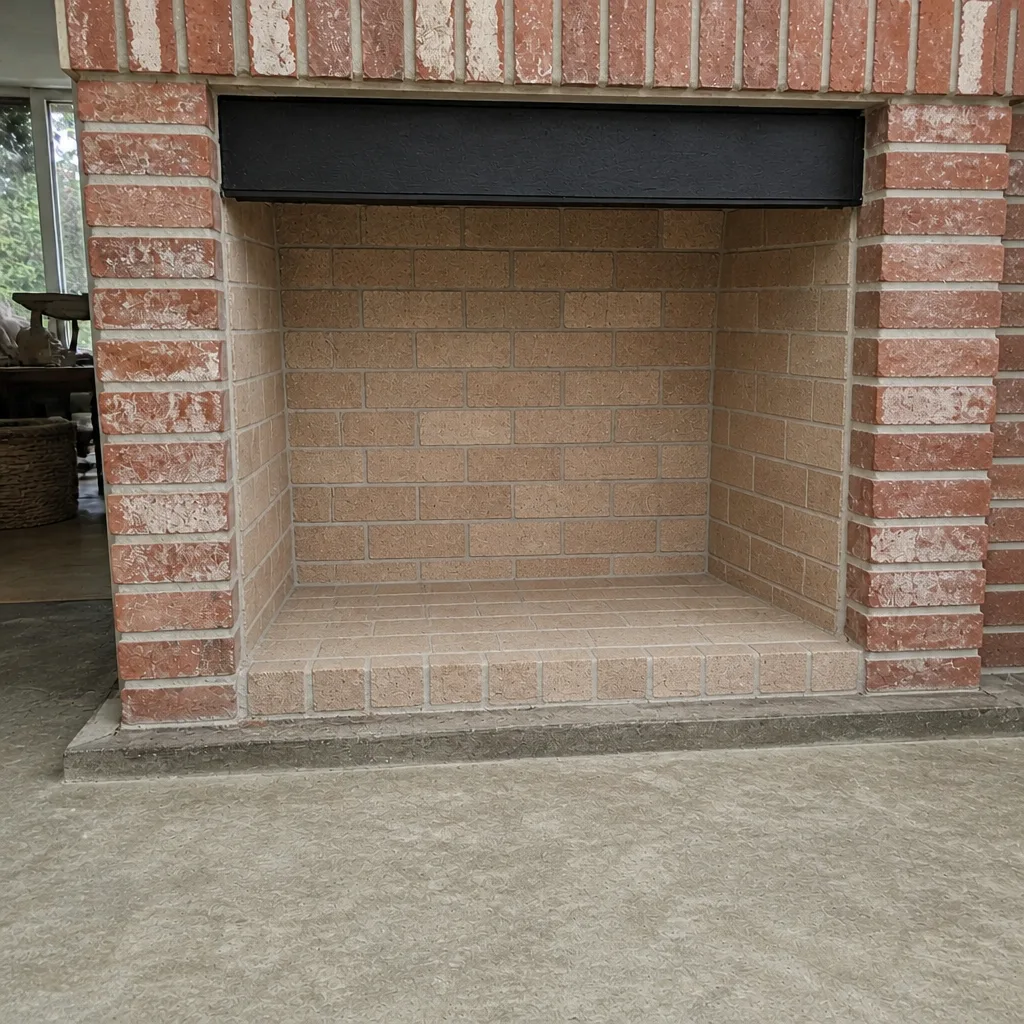
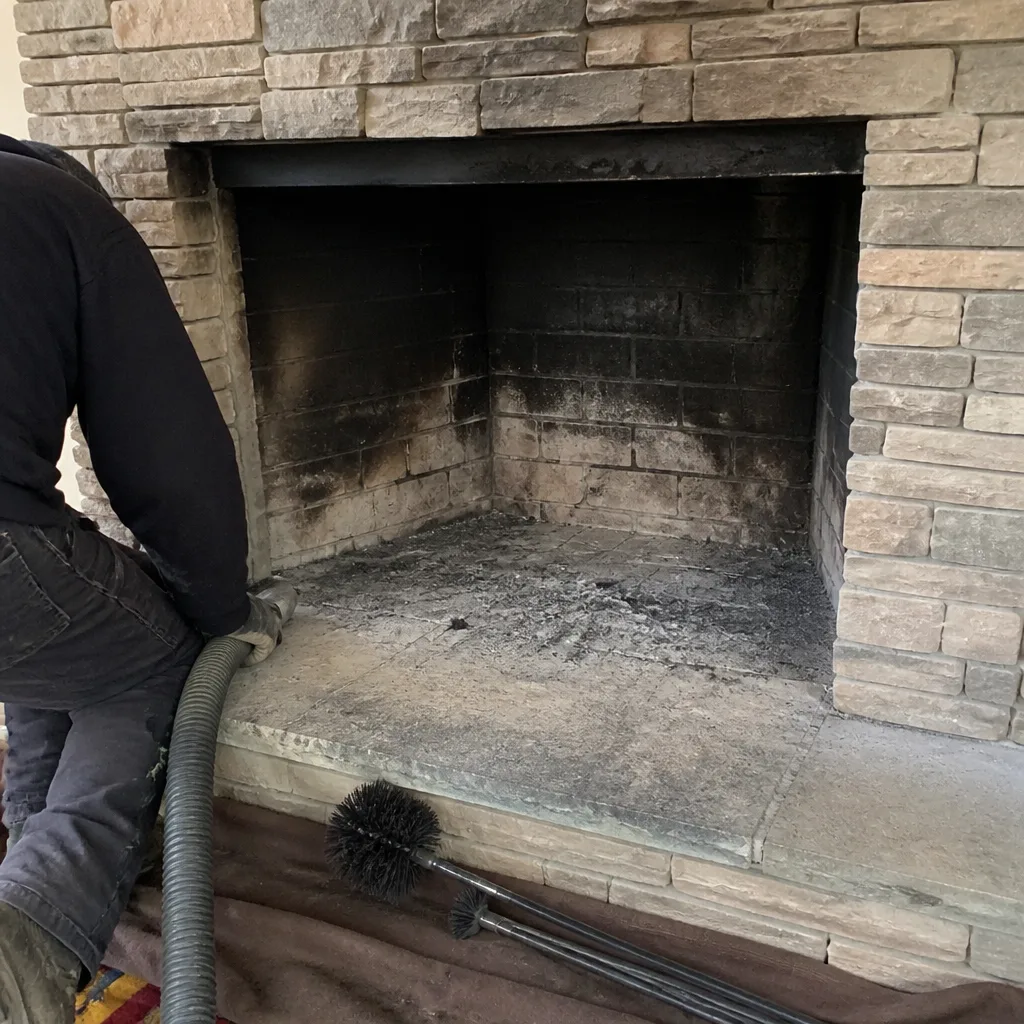
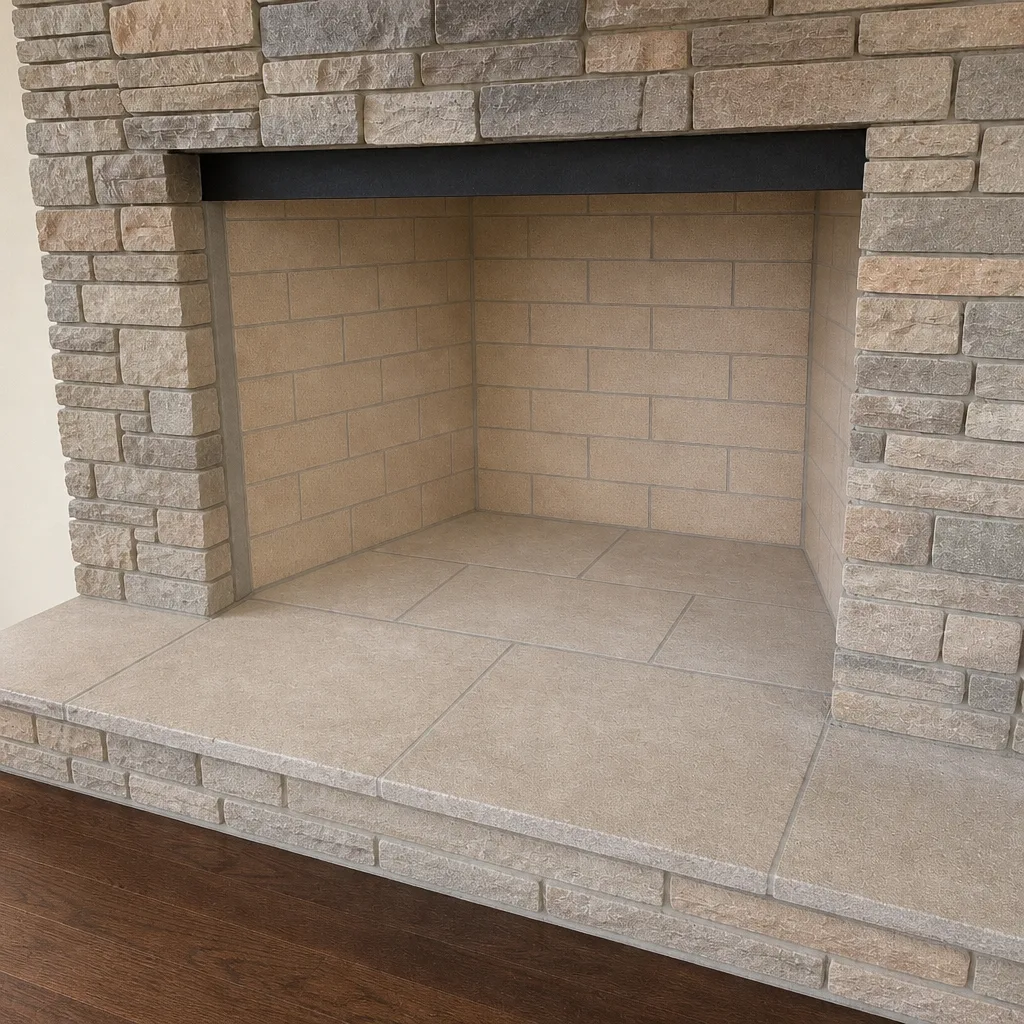
See the difference
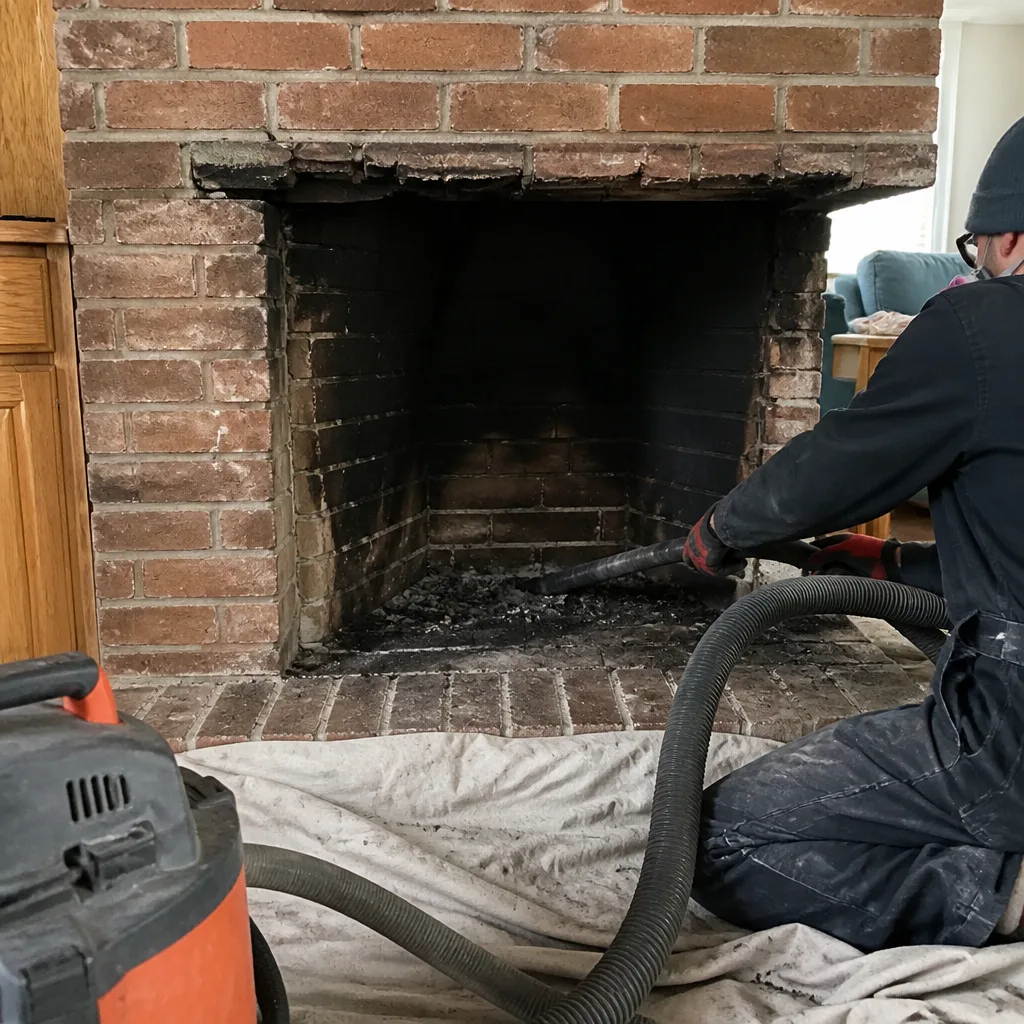 Before
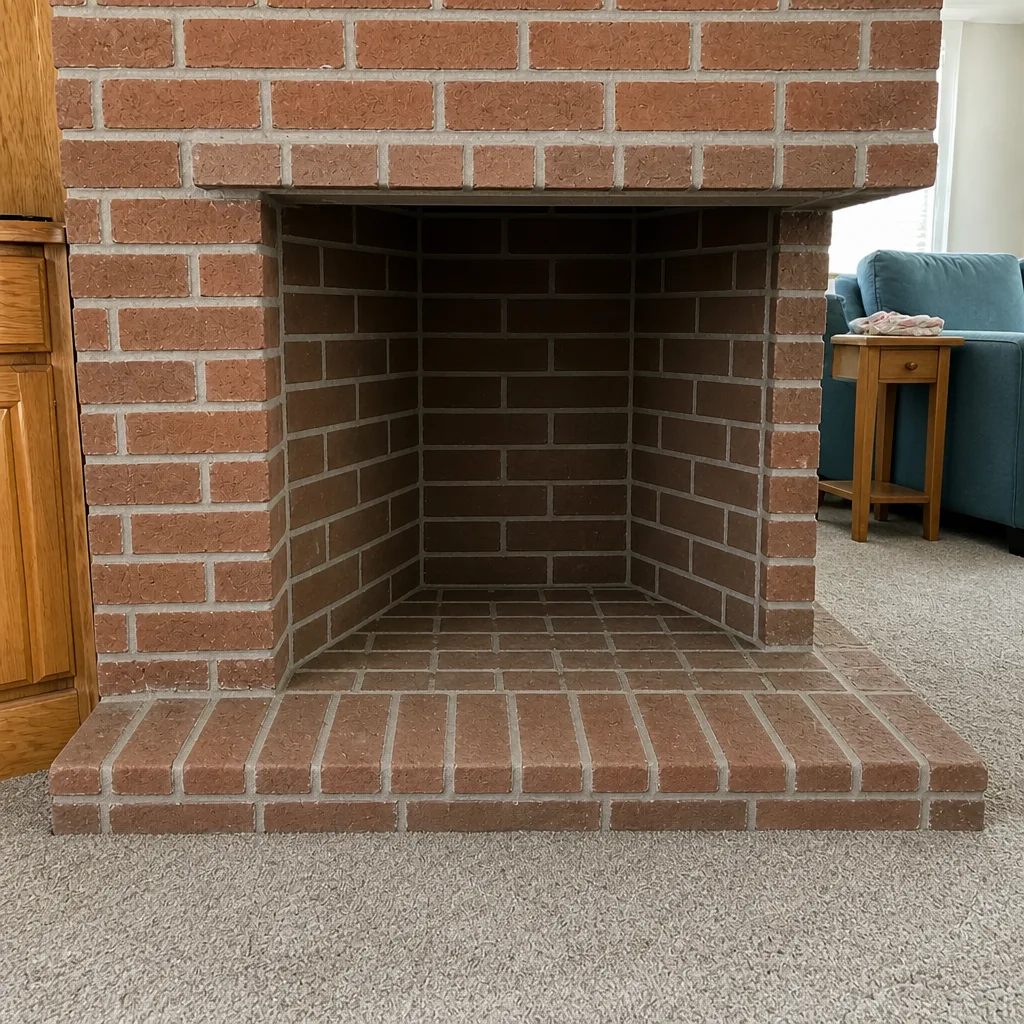 After
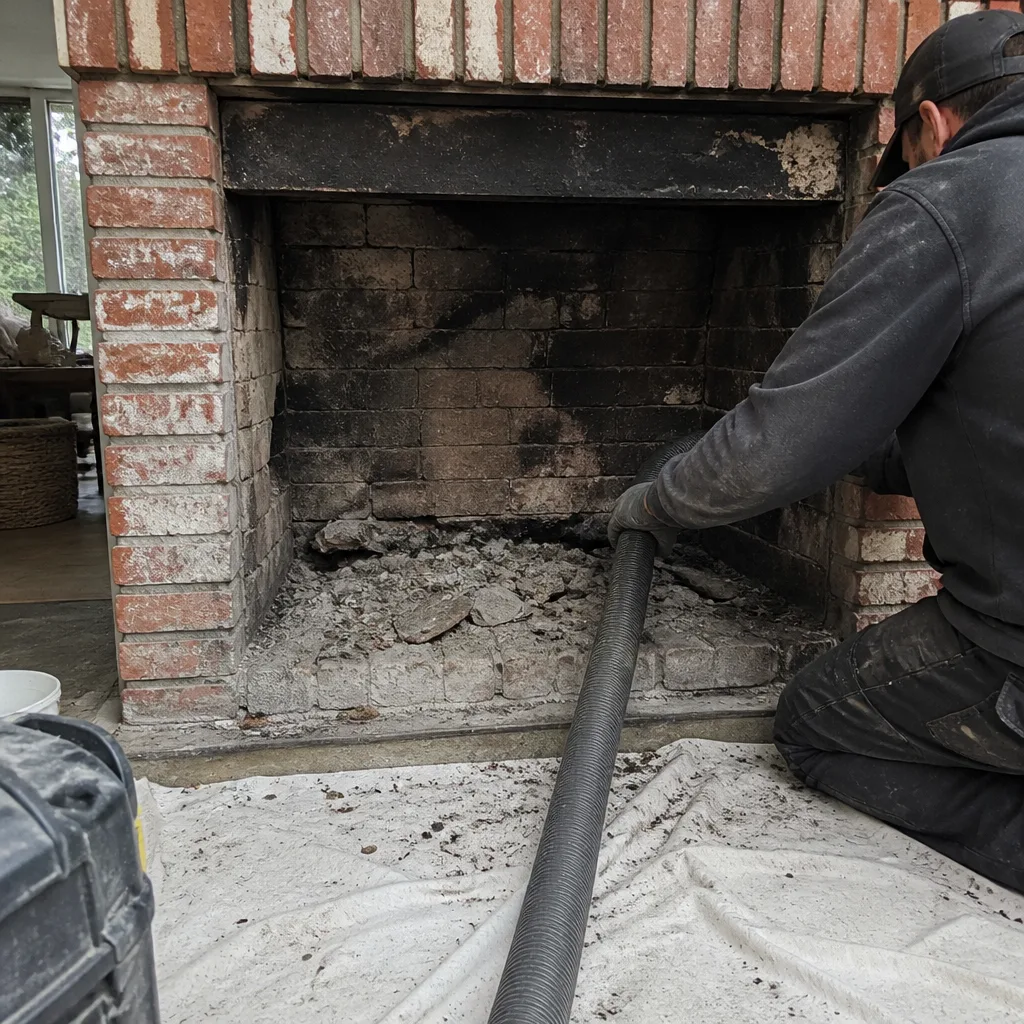 Before
 After
 Before
 After
When to Call a Professional
Call a professional when you’ve never had the chimney cleaned and don’t know its history, when you’ve had a chimney fire or a smoke-back event, when the flue smells strongly between burns, or when a home inspector has flagged the chimney. Call before you install an insert, before you sell a Lynnwood home with a fireplace, and any time the firebox shows heavy creosote near the damper. High-tension components, gas connections, and any electrical work near the fireplace belong in trained hands; this isn’t a job for a ladder and a shop vac from the hardware store. Chimney Sweep Lynnwood offers free estimates in Lynnwood, so call (855) 550-7286 to get a written scope before you commit to anything. We answer 24/7. Fast dispatch from 7am to 7pm, Sunday through Friday.
Frequently Asked Questions
A full-scope sweep with a Level 1 inspection in Lynnwood typically runs $180 to $350, and a standalone inspection is usually $125 to $250. The written estimate after an on-site look sets the final price, and estimates are free. Call (855) 550-7286 for an exact quote.
Because it almost never includes the smoke chamber, the camera scan, or a written report, so the section of the flue where the most hazardous creosote collects goes untouched. The low price reflects a partial job, not a better deal. Call (855) 550-7286 and we’ll walk you through what a full-scope quote includes.
Only if the camera evidence shows your current liner is cracked, damaged, or unlined in a way that meets current code. We don’t recommend a liner without showing you the photo or video that justifies it; when HeatShield resurfacing can restore the flue instead, we’ll say so. Call (855) 550-7286 for a free estimate.
Once a year if you burn regularly through the season, with an inspection at the same time. Occasional burners can stretch the sweep to every other year, but the annual inspection still matters. Call (855) 550-7286 to book a visit.
Creosote accumulates, draft weakens, and the risk of a chimney fire and carbon monoxide backup rises; a cracked flue tile found early might cost $1,200 to $2,800 to resurface, while a full failure after a fire runs $2,500 to $5,000 to reline. Call (855) 550-7286 for a free estimate before the season.
Yes, if you have a wood-burning insert sitting in the firebox. It has to come out so the flue and smoke chamber above it can be reached, then it’s reset after cleaning. Call (855) 550-7286 and we’ll tell you what your setup requires.
Often, yes. HeatShield ceramic resurfacing can restore a flue that’s worn but not seriously damaged, and a DuraFlex flexible stainless liner can reline a deteriorated or unlined chimney without a rebuild in many cases. The right call depends on what the camera finds; call (855) 550-7286 for a free estimate.
The Bottom Line
Chimney cleaning prices in Lynnwood vary by a factor of three or more because the work varies, not because one company is overcharging. The honest quote names the flue, the smoke chamber, the firebox, and the damper; includes a camera scan and a written report with photos; and prices any recommended repair as a separate line. The cheap quote usually skips one or more of those, and the section it skips is the one that matters for fire safety. Compare two quotes on scope before you compare totals, and treat cap and crown work as water protection before it becomes structural repair. A chimney repair or a fireplace repair is far cheaper caught early than discovered after a chimney fire. Call (855) 550-7286 for a free estimate, and get the written scope before you commit.
Written by the team at Chimney Sweep Lynnwood.