
Last updated November 25, 2026
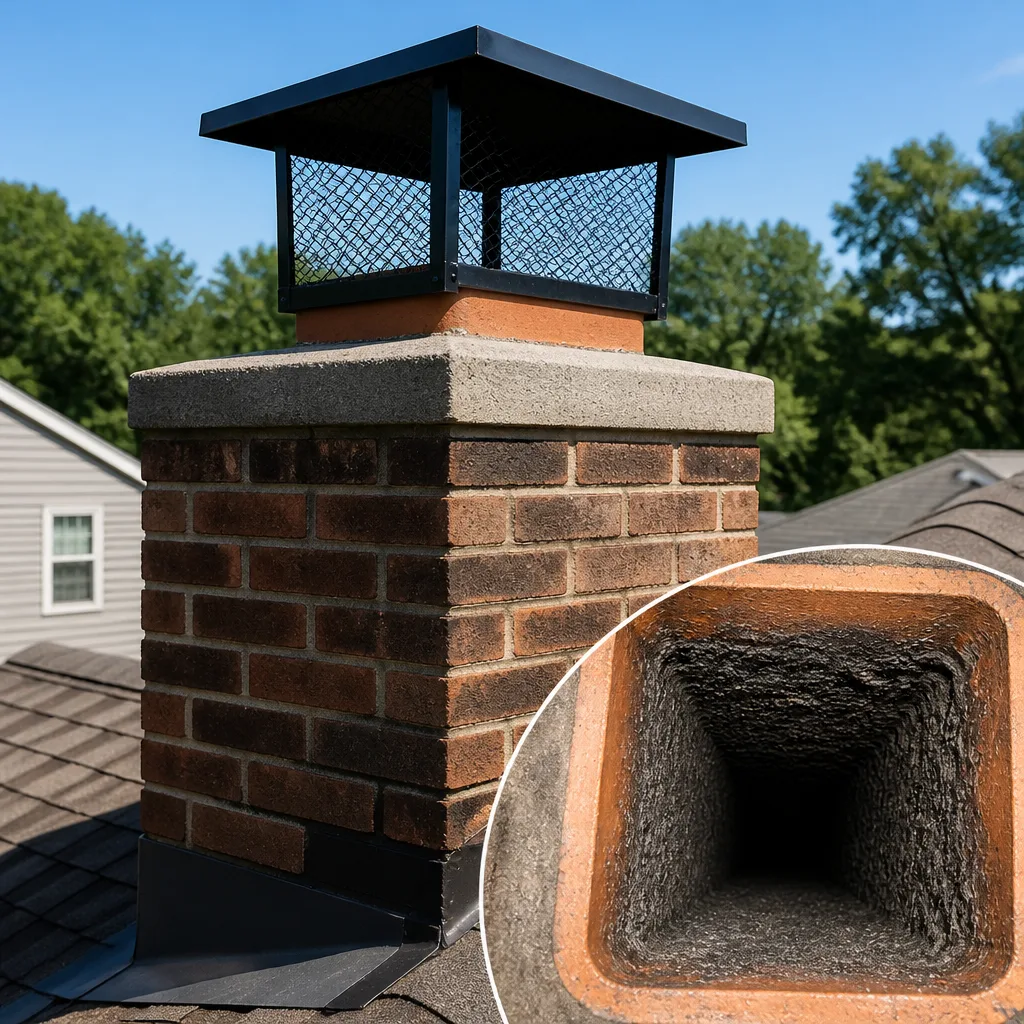 Sweep & inspection
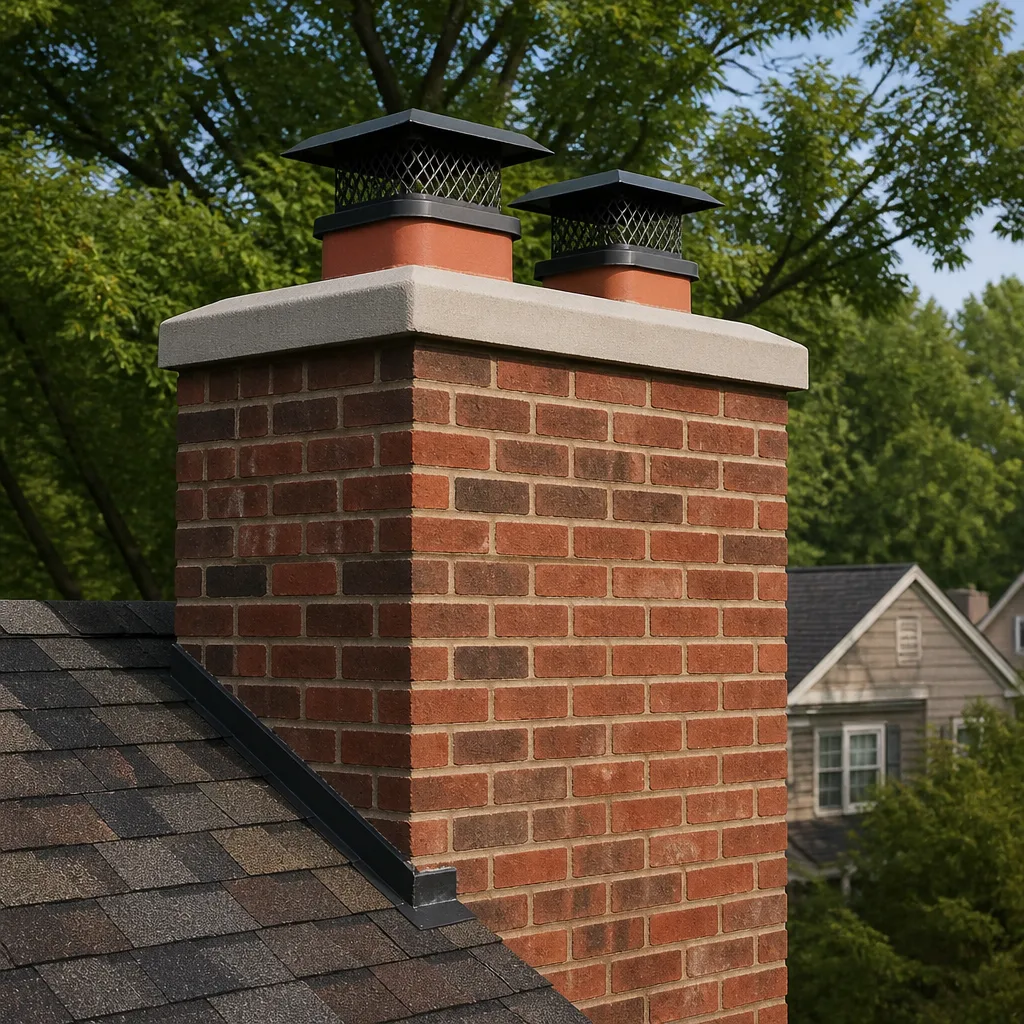 Caps & crowns
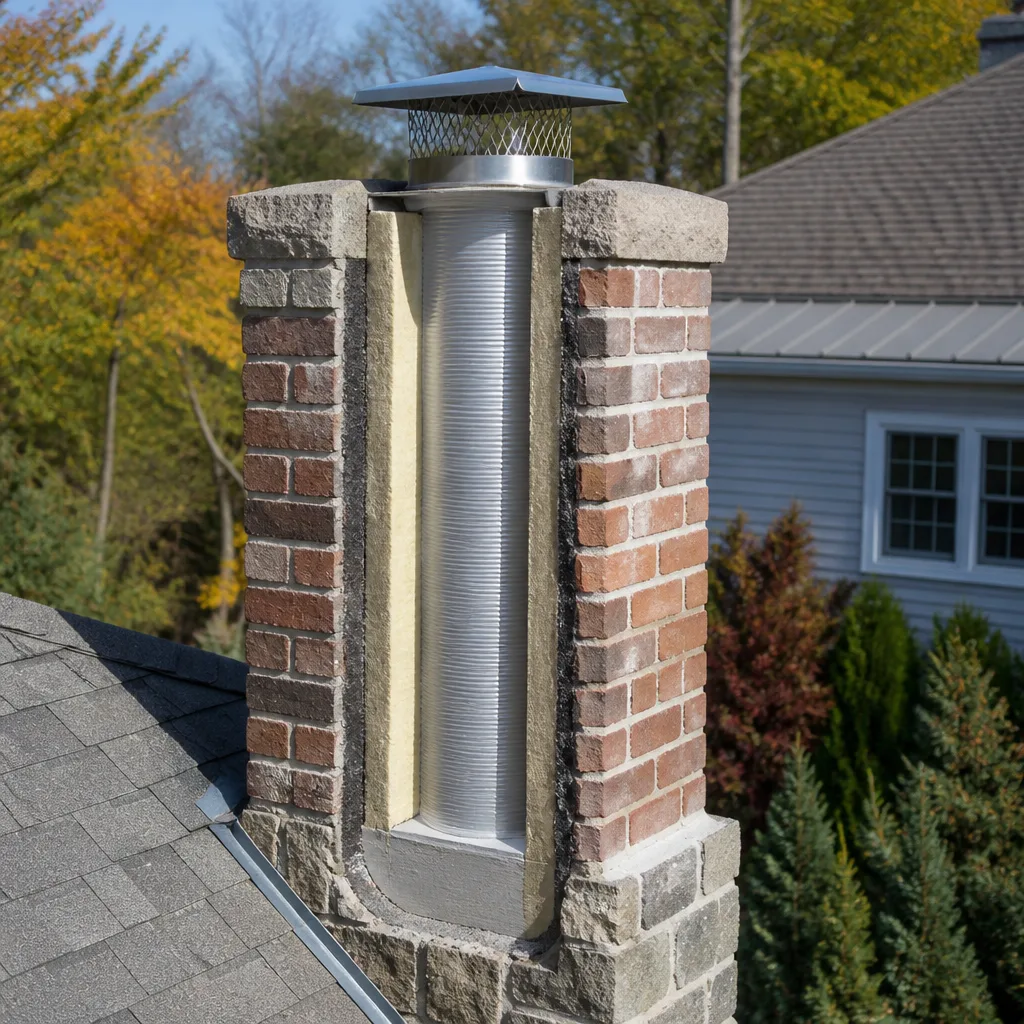 Flue relining
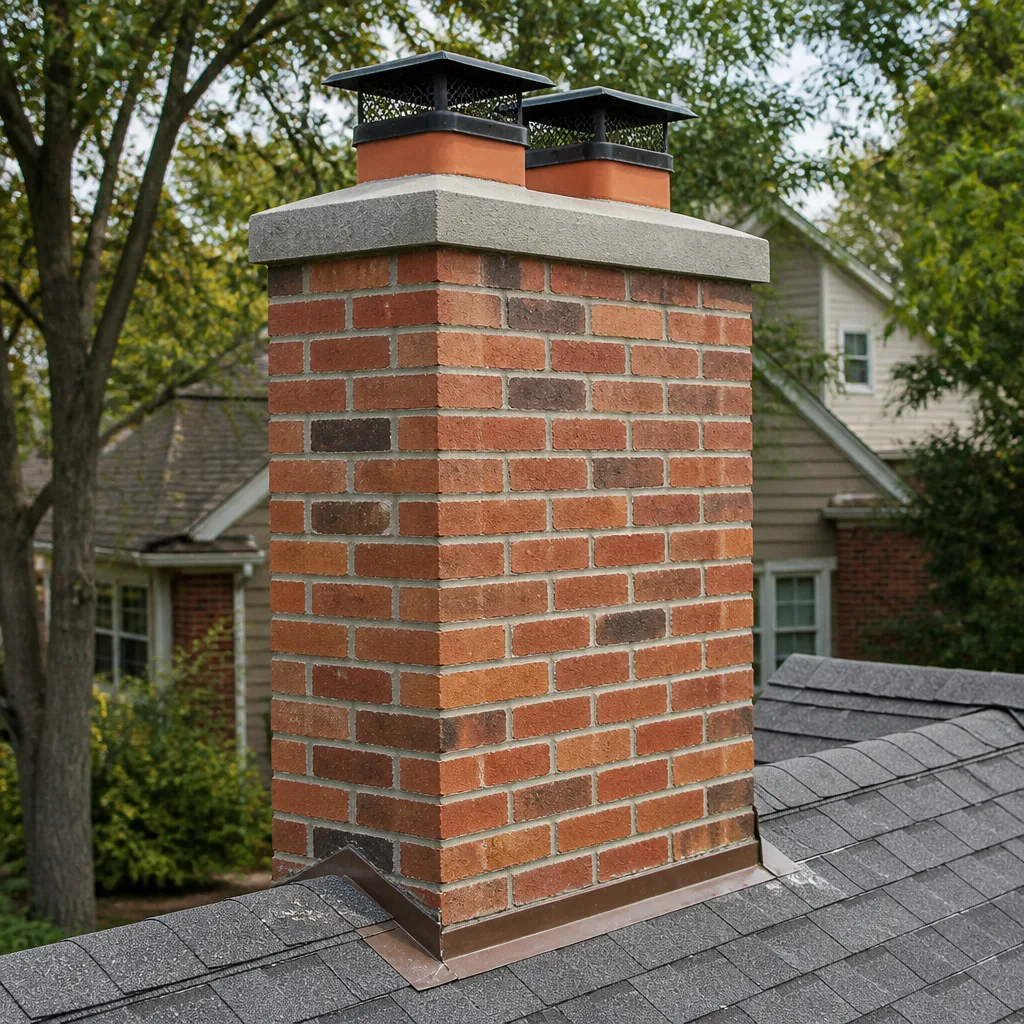 Masonry repair
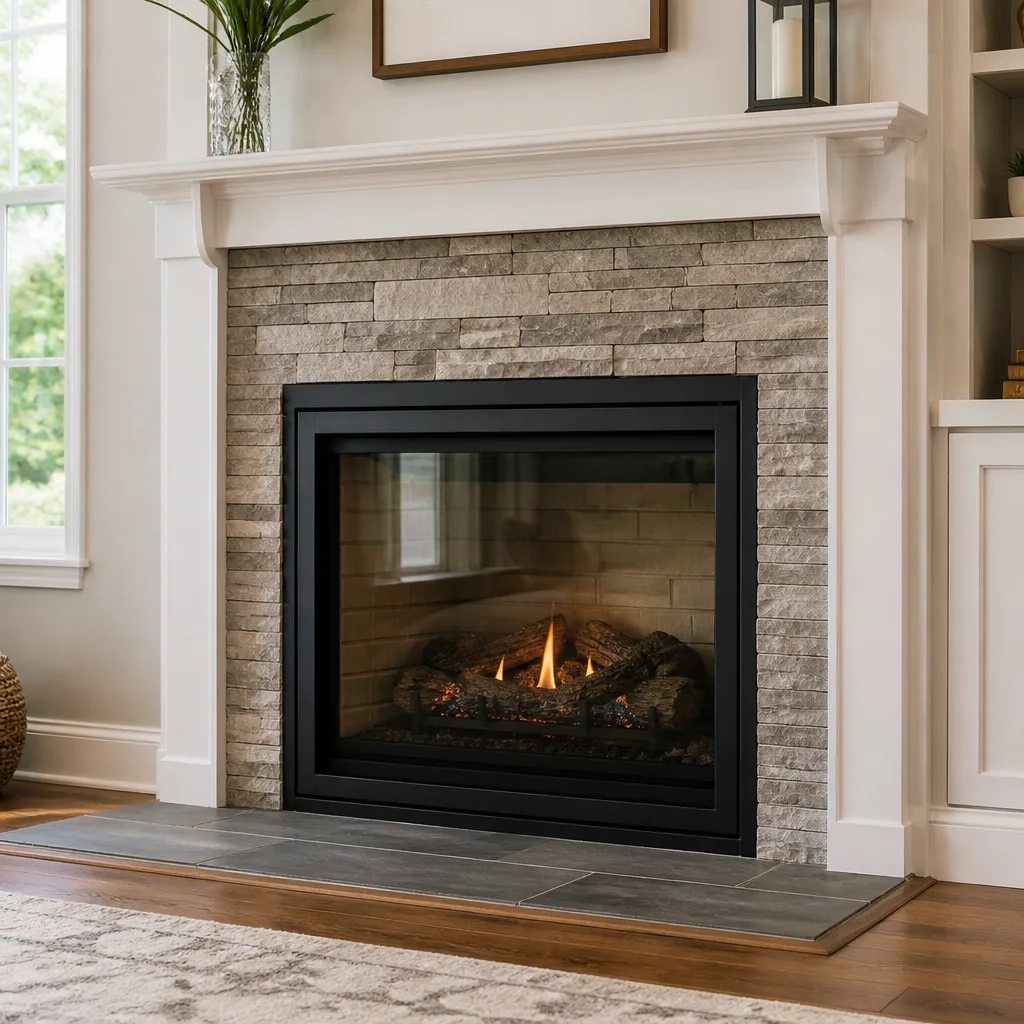 Gas fireplace service
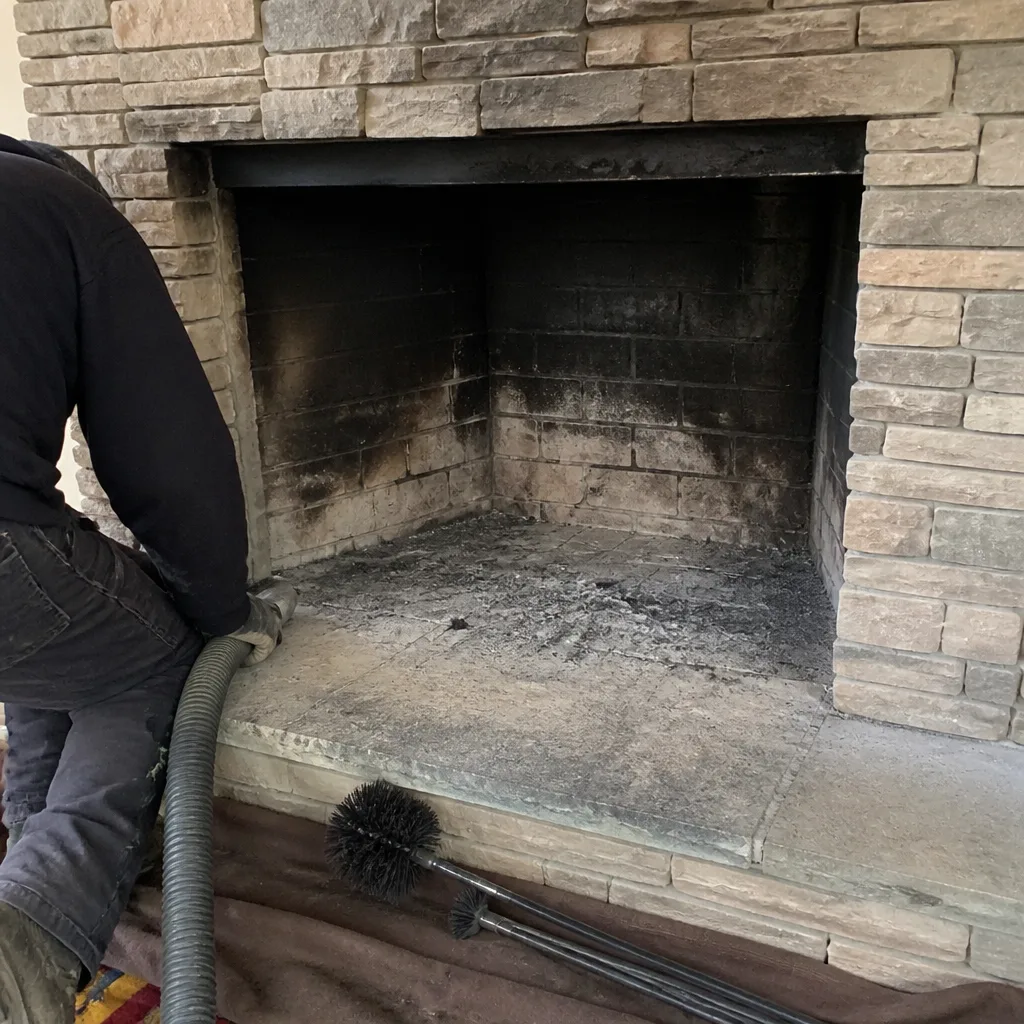
Level 1 sweep and inspection to the NFPA 211 annual standard - flue, crown, cap, and flashing checked and photographed
Chimney sweep logs do not sweep chimneys. They loosen some creosote - which then falls where a brush and vacuum still have to collect it.
Seasonal Chimney Cleaning Care for Lynnwood: Year-Round Homeowner’s Guide
Most chimney care advice in the U.S. assumes a simple rhythm: sweep in fall, forget it until next fall. Lynnwood doesn’t work that way. Our mild shoulder seasons let homeowners burn wood or gas logs well into April and pick back up in October, which compresses the service window and pushes structural repairs into a tight few dry months. Schedule your sweep in October, the busiest month here, and you’re competing with every other homeowner for the same narrow slot. Worse, repairs found during that inspection often can’t be finished before the first hard freeze closes the mortar-work season. This guide restructures the seasonal logic around how Lynnwood actually burns and how our weather actually behaves, so you can plan a full year of chimney care instead of reacting in a panic each autumn.
Quick Answer
The best time to schedule chimney cleaning and inspection in Lynnwood is late spring through summer, with July and August being the ideal window for crown and mortar repairs because temperatures and low humidity allow proper curing. Book your pre-season sweep in August for September service to beat the October backlog, and use April through June to catch moisture damage from winter burning while it’s still visible. Gas fireplace systems need annual cleaning here too, even though they produce no wood creosote.
Styles & brands we work with
- Sweep & inspection
- Caps & crowns
- Flue relining
- Masonry repair
- Gas fireplace service
Table of Contents
- Why Lynnwood’s Chimney Calendar Doesn’t Follow the National Pattern
- Spring Post-Season Checklist: What to Inspect After April
- Why July and August Are Lynnwood’s Repair Window
- Fall Pre-Season Sweep Timing: Booking Strategy That Works
- How Extended Shoulder-Season Burning Changes Sweep Frequency
- Gas Fireplaces Still Need Annual Cleaning in Lynnwood
- From the Firebox to the Crown: Whole-System Seasonal Care
- Winter Watch: What to Monitor During Burn Season
Why Lynnwood’s Chimney Calendar Doesn’t Follow the National Pattern
National chimney guidance assumes a hard winter and a clean break between burn season and off-season. Lynnwood sits in a climate where that break doesn’t happen. Homeowners here often light the first fires in October and keep burning well into April, sometimes later, because evenings stay cool enough to want a fire long after the rest of the country has packed up the wood. That extended burn season has consequences for scheduling that most generic advice ignores.
Three things shift when you compress the calendar:
- The service window narrows. If burning runs October through April, that leaves roughly May through September for the work that requires dry conditions, and only part of that window is genuinely suitable for masonry and crown repairs.
- Inspection findings pile up. Repairs discovered in October often wait until the following summer, which means a full burn season passes with a known problem in place.
- Demand spikes in the wrong month. October is the most popular month to book a sweep in Lynnwood, which creates a backlog right when homeowners most want service.
The fix is to stop treating chimney care as a single autumn event and start treating it as a year-round cycle. A chimney sweep belongs in late summer or early fall before the burn season. Inspection findings belong in spring, so repairs can be scheduled into the dry summer months. Structural work belongs in July and August. Each season has a job, and doing them in the right order means fewer surprises and less scrambling.
In our experience, homeowners who adopt this cycle stop discovering problems mid-winter and start getting repairs completed before the weather turns. That’s the whole point of restructuring the calendar around Lynnwood rather than around a national average.
Spring Post-Season Checklist: What to Inspect After April
After the burn season winds down in April, the chimney is at its most revealing. Winter burning loads the flue with soot and creosote, and the wet months that follow make moisture damage more visible than at any other time of year. This is when you want eyes on the system, because spring findings can still be scheduled into summer repairs. By fall, those same findings may have to wait a year.
Walk through this checklist each spring, and book a professional inspection to confirm what you find:
- Look at the firebox and damper. Check for cracked firebrick, crumbling mortar joints, and a damper that no longer seats or opens smoothly. A damper that sticks through the off-season usually means rust or debris buildup.
- Check the flue from below. Shine a light up the flue and look for heavy soot, glazed creosote, or visible gaps in the liner. Glazed creosote is a sign the flue ran too cool and needs attention before the next season.
- Inspect the cap and crown from the ground. Use binoculars to look for a missing or damaged cap, a cracked crown, or staining on the masonry below the crown line. Water staining is the earliest visible sign that the crown has failed.
- Scan the ceiling and attic for water signs. Brown staining on ceiling drywall near the chimney chase, or dampness in attic framing around the flue, points to a cap or flashing problem that worsened over winter.
- Note efflorescence on exterior masonry. White powdery deposits on the outside of the chimney indicate moisture moving through the brick. It’s a warning, not a cosmetic issue.
- Clear the firebox and ash pit. Remove ash and debris so the next inspection can see the firebox floor and damper frame clearly.
Spring is also when moisture damage from winter burning is most visible, because the wet months have had time to work into any crack or failed seal. If you see efflorescence or interior staining, that’s a signal to move inspection up the priority list rather than wait for fall. A spring chimney repair scheduled early has the whole summer to be completed properly.
Why July and August Are Lynnwood’s Repair Window
July and August are the optimal window for crown and mortar repairs in Lynnwood, and the reason is chemistry as much as weather. Hydraulic cement and crown coat products need stable, warm temperatures and low humidity to cure correctly. When they’re applied in cool or damp conditions, they don’t reach their rated strength, and a crown that cures poorly will crack and fail sooner. Summer gives these materials the conditions they need to set properly.
Here’s what that means for planning:
- Crown repairs and replacements should be scheduled into the dry summer window so the new crown cures at full strength before the wet season returns.
- Mortar repointing on the chimney exterior needs dry joints and dry masonry, and summer provides both. Repointing in wet weather traps moisture behind fresh mortar.
- Flue resurfacing with HeatShield and liner installation with DuraFlex can be done in other seasons, but summer scheduling avoids weather delays and lets any adjacent masonry work dry properly.
Why does the crown deserve this much attention? Because a failed crown is the leading cause of water damage in masonry chimneys. Water gets past the crown, into the masonry, and then into the framing. By the time you see interior staining, the damage has usually been working for more than one season. We schedule crown and cap work in summer specifically so the fix is solid before the rain returns. Chimney cap and crown work done in July has months to settle and cure before it’s tested by weather.
From the firebox to the crown, summer is the season for anything structural. If a spring inspection turned up a crown crack, failing mortar, or a spalling exterior, book the repair into July or August. Waiting until October means the work may not be completed before temperatures fall and mortar work becomes impractical.
Fall Pre-Season Sweep Timing: Booking Strategy That Works
If you want a sweep before the burn season starts, book it in August for September service. That one piece of timing advice prevents most of the hassle homeowners run into each autumn. October is the most popular month to book a chimney sweep in Lynnwood, and when everyone calls in the same four weeks, the schedule fills and repair work found during those inspections often can’t be completed before the first hard freeze closes the masonry season.
A better fall approach looks like this:
- Call in August. Booking a September sweep gives you a working chimney before the first fire and keeps you ahead of the October rush.
- Get the inspection at the same time as the sweep. Every sweep can include a visual inspection, so problems are caught before the season rather than mid-winter.
- Ask for a written report with photos. If the inspection finds something, you want to see it. Video inspection and a photo report let you look at the same evidence the technician saw.
- Schedule any repairs into summer if they aren’t urgent. A minor crown crack found in September can safely wait until July if the inspection shows no active water intrusion.
- Book the next year’s sweep before you leave. Getting on the schedule early in the year removes the October scramble entirely.
The seasonal urgency here is real but seasonal, not hourly. You don’t need same-day service; you need to be on the schedule before the backlog forms. A sweep booked in August and performed in September is the single most reliable way to start the burn season with a clean, safe flue and a system you understand. If a chimney has visible damage or a history of problems, don’t wait for a sweep slot; book a standalone chimney sweep Lynnwood inspection so the diagnostic work happens first.
How Extended Shoulder-Season Burning Changes Sweep Frequency
The national rule of thumb, roughly one sweep per cord of wood burned, was built for a climate with a short, intense burn season. Lynnwood’s extended shoulder-season burning from October through April changes the math. A homeowner here might burn the same total volume of wood as someone in a colder climate, but spread across more months, with more low-and-slow fires during the shoulder season. Those cool, slow fires deposit more creosote per cord than hot fires do, which pushes the actual sweep interval shorter than the rule of thumb suggests.
Here’s how to think about it:
- Burn volume still matters. A cord of wood is a cord of wood, and heavy burning always means more frequent sweeps. Use the one-cord rule as a baseline, not a ceiling.
- Adjust upward for shoulder-season fires. Long, smoldering fires in October and April run cooler, and cooler flues deposit more creosote. Homeowners who burn steadily through the shoulder season should plan on more frequent sweeps than the rule suggests.
- Watch the wood. Seasoned, dry wood burns hotter and cleaner. Unseasoned or damp wood produces more creosote per fire, which shortens the interval.
- Let inspection set the schedule. A professional inspection tells you exactly what’s in the flue. If the inspection shows heavy buildup mid-season, sweep then rather than waiting for the annual appointment.
In our experience, Lynnwood homeowners who burn regularly through the shoulder season do best with a minimum of one annual sweep plus an inspection, with a second sweep added in years of heavy burning. The point is that the national rule needs adjustment for how this region actually uses its fireplaces. A sweep based on a calendar date alone can miss real creosote accumulation, and an inspection based on what’s actually in the flue is more reliable than a rule of thumb built for a different climate.
Gas Fireplaces Still Need Annual Cleaning in Lynnwood
Gas fireplaces don’t produce wood creosote, but they still need annual cleaning and inspection in Lynnwood, and skipping it leads to real problems. Gas logs and gas inserts produce combustion byproducts, dust, and condensation that collect inside the firebox and venting over a season. The venting system, whether it’s a direct vent or a B-vent, clogs with debris and can develop blockages that affect how the fireplace burns. A gas system that isn’t serviced can produce incomplete combustion over time.
What annual gas fireplace care should include:
- Cleaning the logs and firebox. Dust and soot accumulate on gas logs and burners, affecting flame pattern and combustion efficiency.
- Checking the venting. Blocked or partially blocked vents are the most common gas fireplace problem, and they’re not always visible without inspection.
- Inspecting the burner and controls. Burner ports can clog, and controls should be checked for proper function and safety.
- Looking at the termination cap. Exterior vent caps can be damaged by weather or blocked by nesting debris, and a cap that’s cracked or missing lets water and pests in.
Gas fireplace cleaning can share the seasonal calendar with wood-burning service: late summer before the heating season, or spring after it. Because there’s no wood creosote, the fire risk profile is different, but the venting and combustion issues are just as real. A gas insert or log set that hasn’t been serviced in a few years is worth a professional look regardless of the calendar. If you’ve noticed a change in flame color or pattern, or a smell near the fireplace, don’t wait for your annual appointment. And if your fireplace repair needs go beyond cleaning into parts or burner work, a standalone inspection tells you what’s actually wrong.
From the Firebox to the Crown: Whole-System Seasonal Care
A chimney is a system, and the seasonal calendar should cover all of it. Thinking from the firebox to the crown means the firebox, the flue, the damper, the crown, the cap, and the flashing all get attention on a schedule. Missing any one of these leaves a gap that eventually shows up as a repair. Chimney cap and crown work belongs in the seasonal plan specifically because it’s the most effective way to stop water before it reaches the masonry.
Here’s how the whole system maps to the seasonal calendar:
- Firebox and damper: spring inspection, with fireplace repair scheduled as needed before fall.
- Flue and liner: fall sweep before the burn season, with a mid-season check if burning is heavy. Liner condition is assessed during inspection, and a failing liner is a structural and safety issue, not a maintenance preference.
- Crown and cap: inspected in spring, repaired or replaced in the July and August window. A Gelco or Famco cap on a properly sealed crown is preventive work that pays back over the years.
- Flashing and exterior masonry: checked in spring when moisture damage is most visible, repaired in summer.
- Chase cover and termination: inspected in spring along with the rest of the exterior.
We work with professional chimney trade brands for a reason: DuraFlex liner systems for relining deteriorated or unlined flues, HeatShield for flue resurfacing when a full reline isn’t necessary, and Olympia Chimney components for the connecting parts that make the system work. Copperfield caps and Gelco caps both do the job of keeping water and animals out, and the right choice depends on the flue type and the look you want. These aren’t products picked off a shelf at a general home-improvement store. They’re the materials the trade uses, chosen for the specific job.
We do the whole cycle: sweep, inspection, fireplace repair, chimney repair, cap and crown. If your system needs work across multiple parts, a single relationship means no handoff to a second contractor.
Winter Watch: What to Monitor During Burn Season
During the burn season, the work shifts from service to monitoring. You’re not scheduling major repairs in December; you’re watching for the signs that something changed. Creosote buildup, blockages, and damaged components all show symptoms if you know what to look for, and catching them early prevents a mid-season emergency.
- Watch the smoke. A fire that suddenly smokes more than usual, or smoke rolling back into the room, points to a blockage or a flue problem.
- Notice the smell. A strong smoky odor in the room or an unusual smell near the fireplace during or after a fire is worth checking.
- Listen for changes. Popping, rumbling, or a change in how the fire drafts can indicate creosote buildup or obstruction.
- Check the draft. If the fireplace is harder to start or doesn’t draft well, something has changed. Don’t force a fire into a poor-drafting flue.
- Look for water signs inside. Staining on the ceiling or walls near the chimney during the wet season means water is getting in, and that’s a repair to schedule for spring or summer.
If you notice any of these, stop burning and get the system inspected before the next fire. A mid-season inspection can identify the problem and, in most cases, the repair can wait for the appropriate seasonal window if there’s no immediate danger. If the inspection finds something urgent, we’ll tell you plainly. Nothing is recommended without camera evidence you can see for yourself, and if work can safely wait for spring or summer, we’ll say so.
Common Mistakes to Avoid
- Booking the sweep in October. It’s the busiest month in Lynnwood, and repairs found then often can’t be completed before the first hard freeze. Book in August for September service instead.
- Skipping the inspection because the sweep looked clean. A clean flue can hide a failing crown, damaged cap, or cracked firebox. Inspection is diagnostic, and it stands alone without needing a bundled service.
- Waiting until summer to schedule summer repairs. By the time July arrives, the good repair window is already booking out. Spring inspection gives you time to lock in summer scheduling.
- Assuming gas fireplaces need no service. Gas logs and inserts don’t produce wood creosote, but venting, burners, and caps still need annual attention.
- Applying the one-cord rule without adjustment. Shoulder-season burning deposits more creosote per cord, so the national rule understates the sweep frequency here.
- Ignoring efflorescence and interior staining. White deposits on exterior masonry and brown ceiling stains are early warnings of water intrusion. Catching them in spring gives you a season to fix the cause.
- Doing masonry work in the wet months. Hydraulic cement and crown coat products need warm, dry conditions to cure correctly. Summer work will hold; fall work often won’t.
See the difference
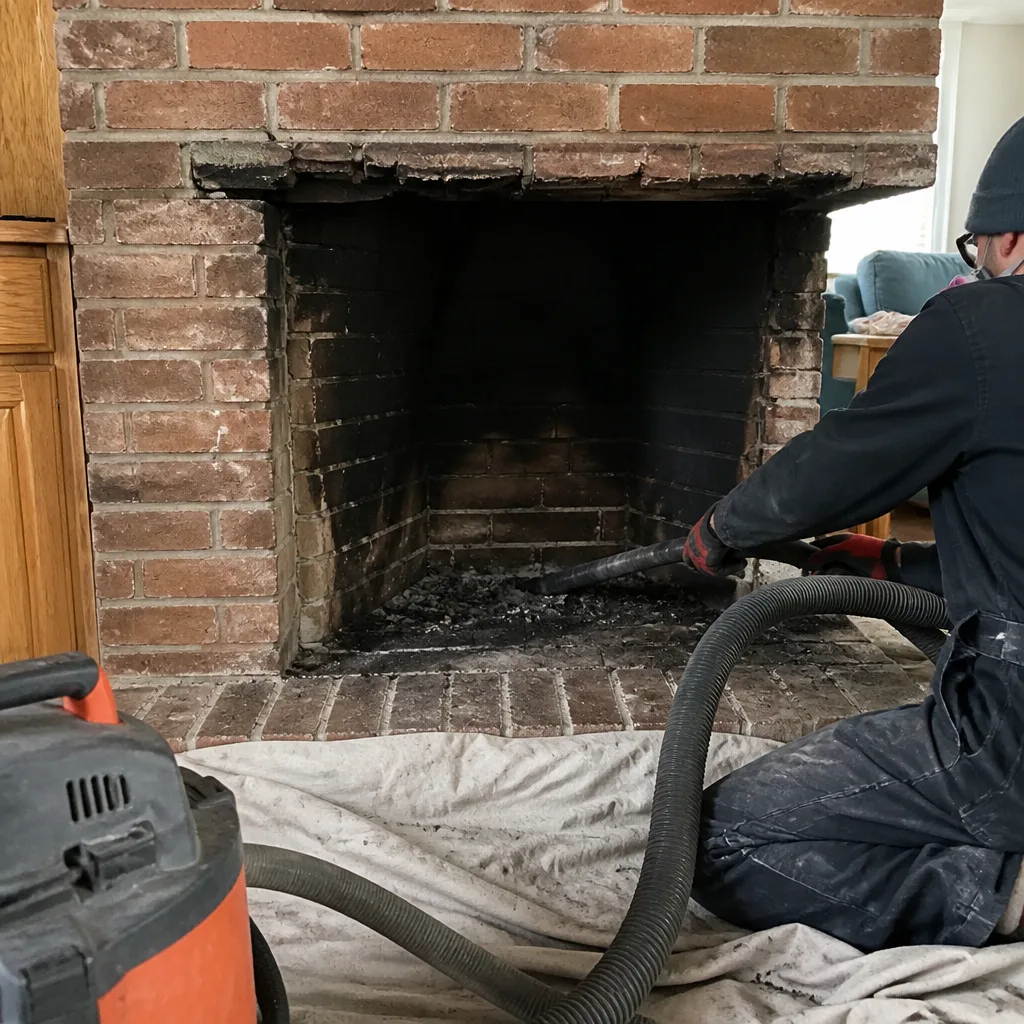 Before
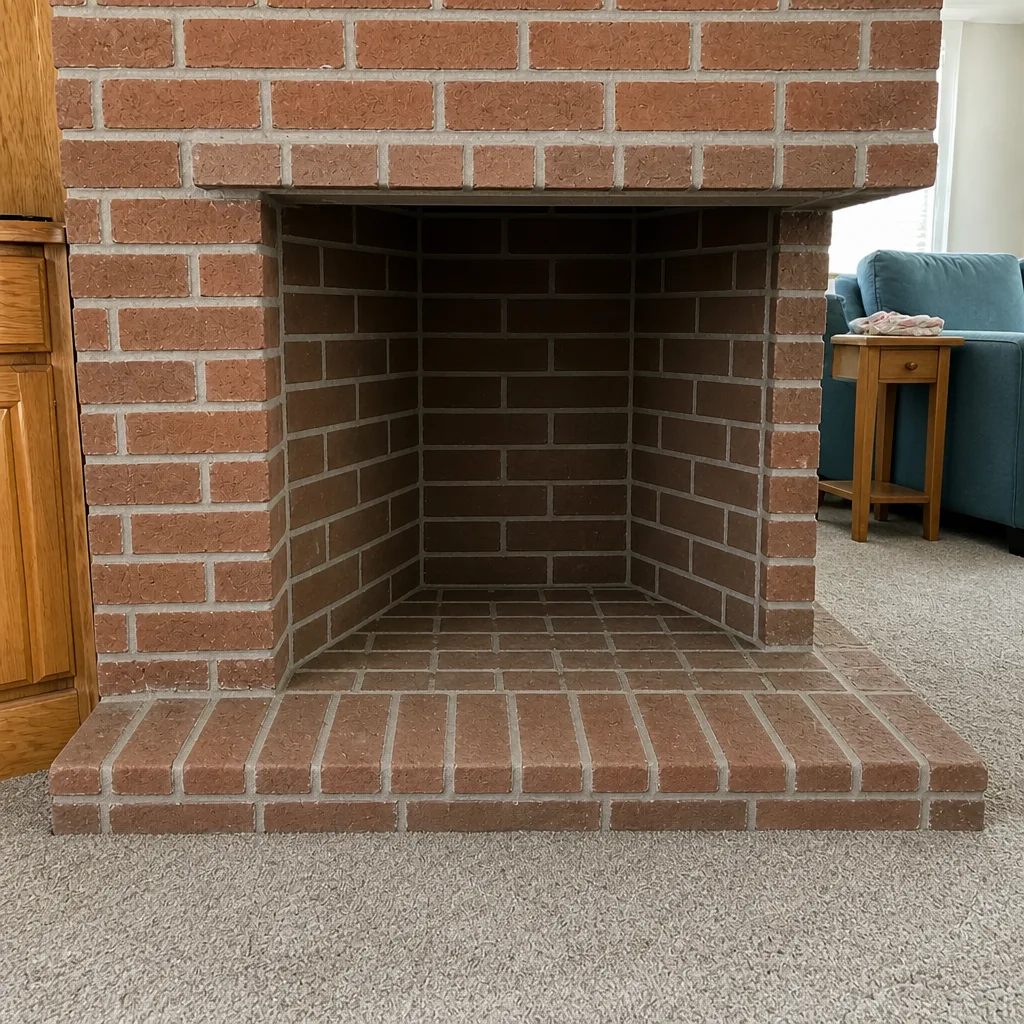 After
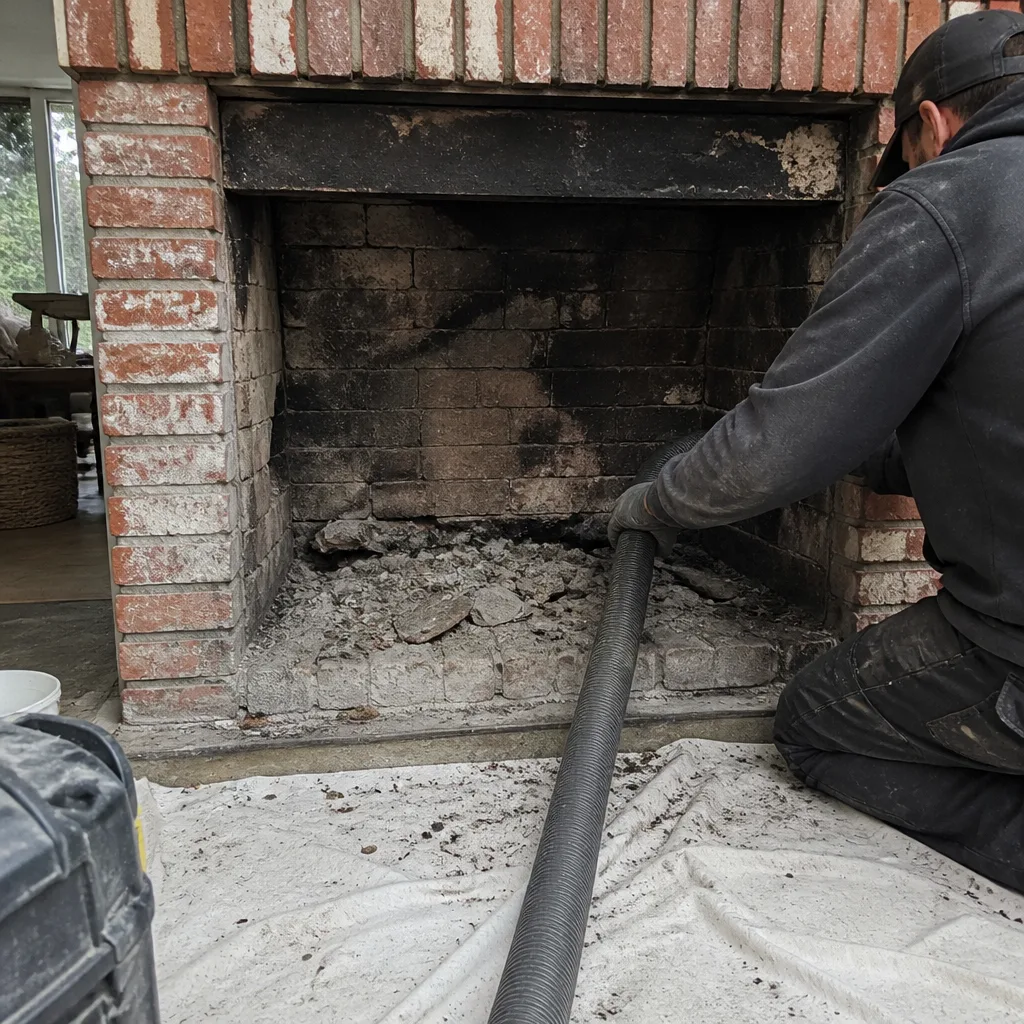 Before
 After
 Before
 After
When to Call a Professional
Call a professional when you have visible damage you can’t fully assess, a fire that doesn’t draft properly, smoke backing into the room, or a chimney that hasn’t had an inspection in a year or more. Call if you see water staining near the chimney, white deposits on exterior masonry, or a damper that sticks or won’t seal. Call if you’ve moved into a home and don’t know when the chimney was last serviced. Call before you schedule any major masonry work in the summer window so the inspection is done and the repair is planned. And call if you’re not sure, because an inspection is the diagnostic answer to almost every question on this page.
Chimney Sweep Lynnwood offers free estimates in Lynnwood. Call (855) 550-7286. We answer 24/7. Fast dispatch from 7am to 7pm, Sunday through Friday.
Frequently Asked Questions
Chimney sweeps in Lynnwood are priced per job, and the written estimate sets the final price, so the estimate you get is the price you pay. The cost depends on the flue type, the level of buildup, and whether an inspection is included. Call (855) 550-7286 for an exact quote, because estimates are free.
Only if the inspection shows the existing liner is deteriorated, cracked, or missing. A failed liner lets heat and gases reach the surrounding masonry and framing, which is a real safety issue, not an upsell. If your flue is intact, we’ll tell you so. If a full reline isn’t required, HeatShield resurfacing can restore the flue in some cases. Nothing is recommended without camera evidence you can see for yourself, and call (855) 550-7286 to get the inspection scheduled.
Plan on at least one annual sweep plus an inspection, with a second sweep in years of heavy burning. The national one-cord-of-wood rule is a baseline, but Lynnwood’s extended shoulder-season burning deposits more creosote per cord than the rule assumes, so the interval here runs shorter. Call (855) 550-7286 to book the sweep before the calendar fills.
Creosote accumulates in the flue, and heavy creosote buildup is a genuine fire risk when the flue gets hot. A blocked flue also forces smoke and carbon monoxide back into the living space instead of up and out. Skipping a sweep doesn’t cause an immediate problem every time, but it removes the inspection that would catch the problem while it’s still small. Call (855) 550-7286 to get on the schedule.
It’s not too late, but the schedule tightens as October fills up. If you’ve already missed the August-to-September booking window, call and get into the earliest opening. A sweep still before or during the burn season is far better than none. Call (855) 550-7286. A call outside dispatch hours is booked into the next opening, Sunday through Friday, 7am to 7pm.
Yes, they do. Gas logs and inserts produce no wood creosote, but dust, condensation, and combustion byproducts collect in the firebox and venting, and a blocked vent affects how the system burns. Annual service covers the logs, burner, controls, and venting. Call (855) 550-7286 for a free estimate on gas fireplace cleaning.
The Bottom Line
Lynnwood’s mild shoulder seasons compress the chimney calendar, and the national sweep-in-fall rhythm doesn’t fit. Plan a full year instead: spring inspection when winter moisture damage is most visible, summer repair when crown and mortar work can cure properly, an August booking for a September sweep to beat the October backlog, and a sweep frequency adjusted for extended shoulder-season burning. Gas fireplaces belong in the same cycle. The goal is a system you understand, with repairs scheduled into the right season, and no scramble each autumn. Our technicians have up to 12 years of experience, and we offer the full cycle from sweep to crown under one relationship. Call (855) 550-7286 for a free estimate.
Written by the team at Chimney Sweep Lynnwood.