
Last updated November 25, 2026
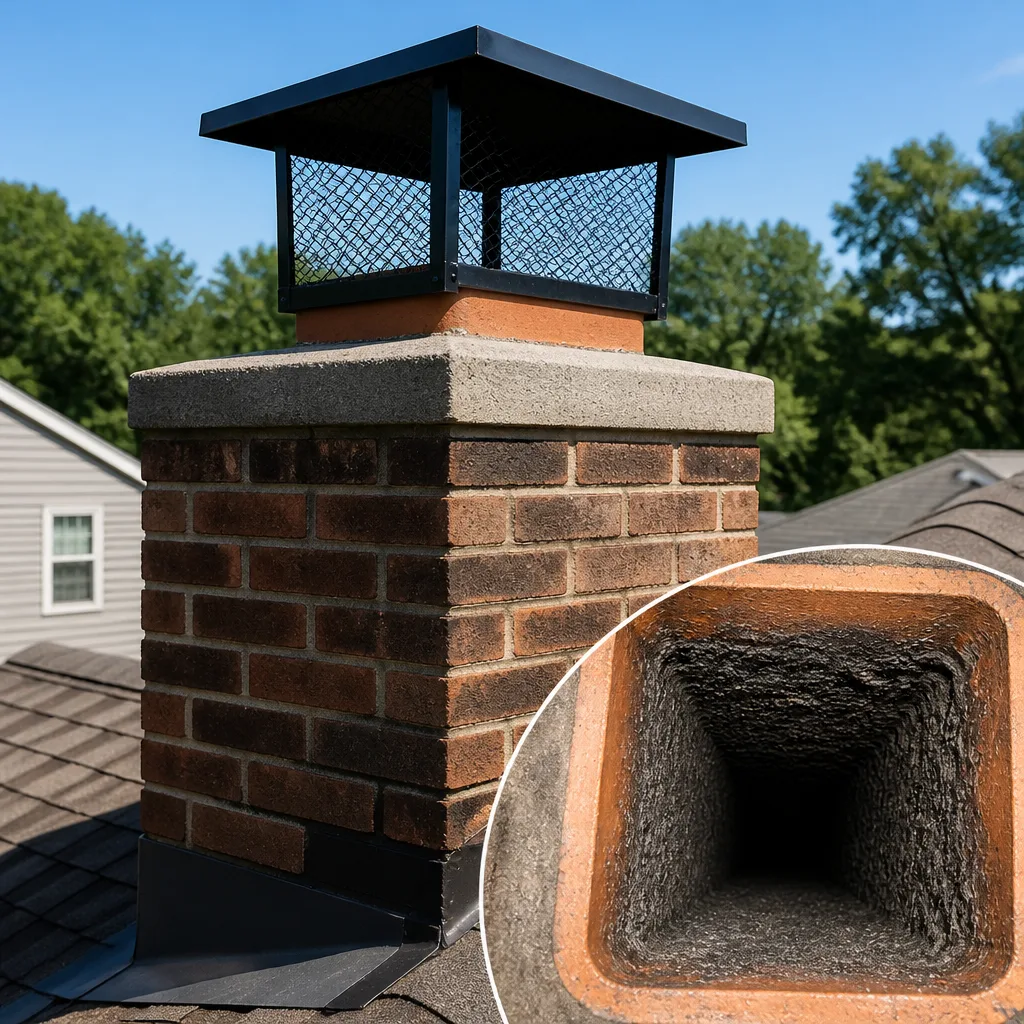 Sweep & inspection
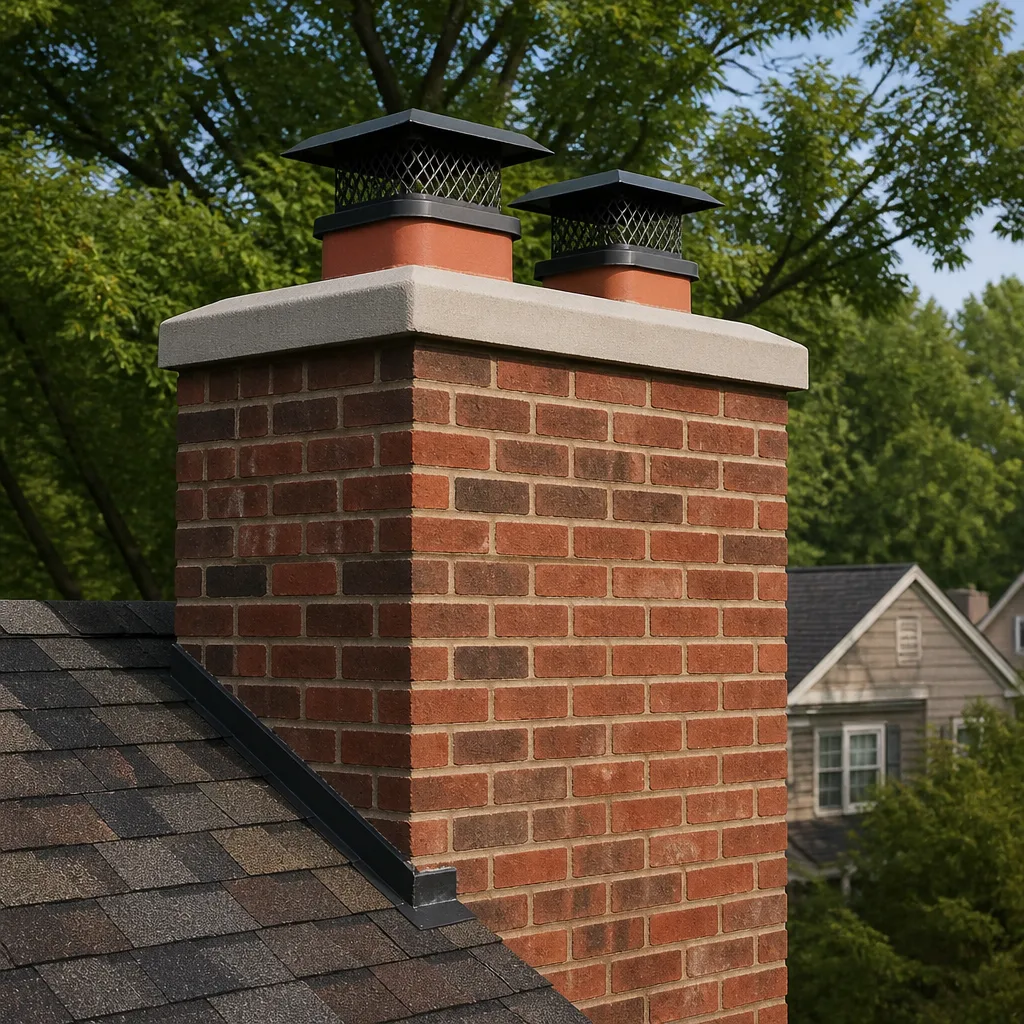 Caps & crowns
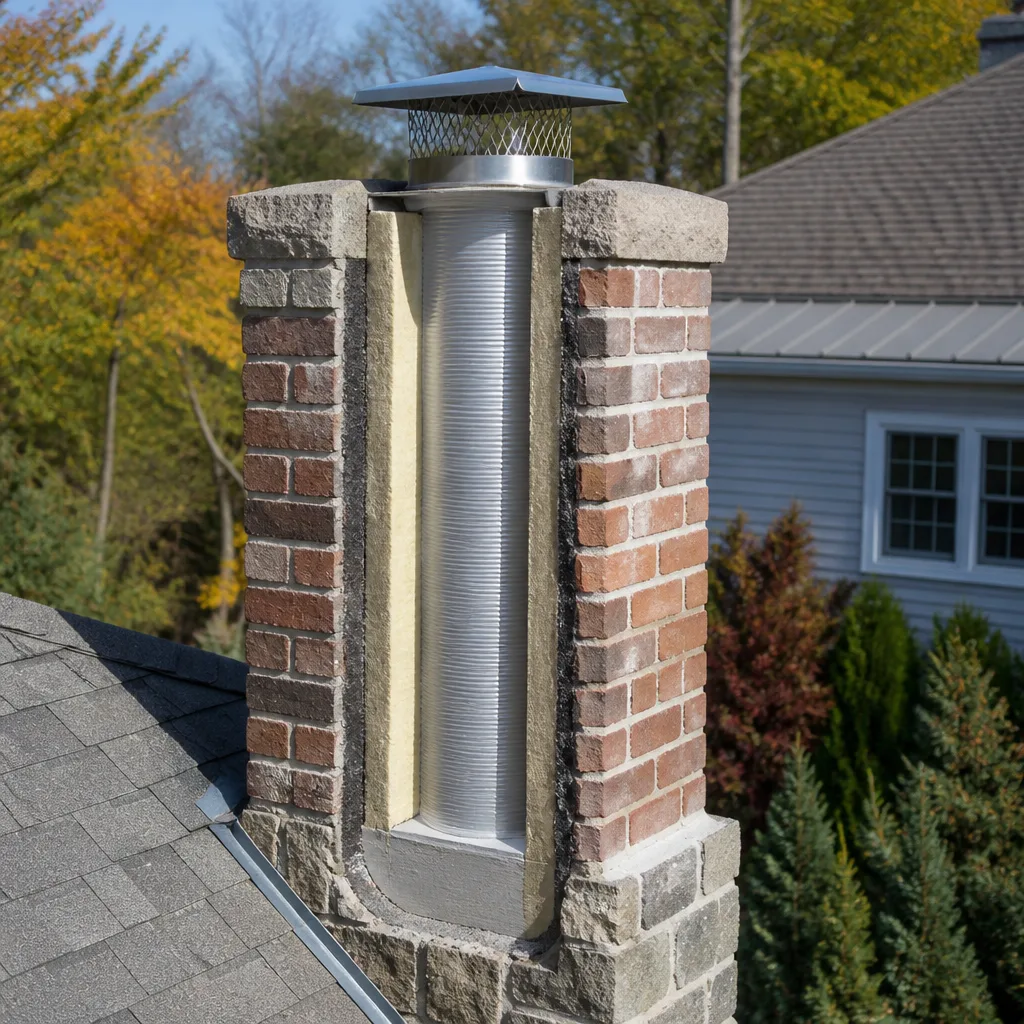 Flue relining
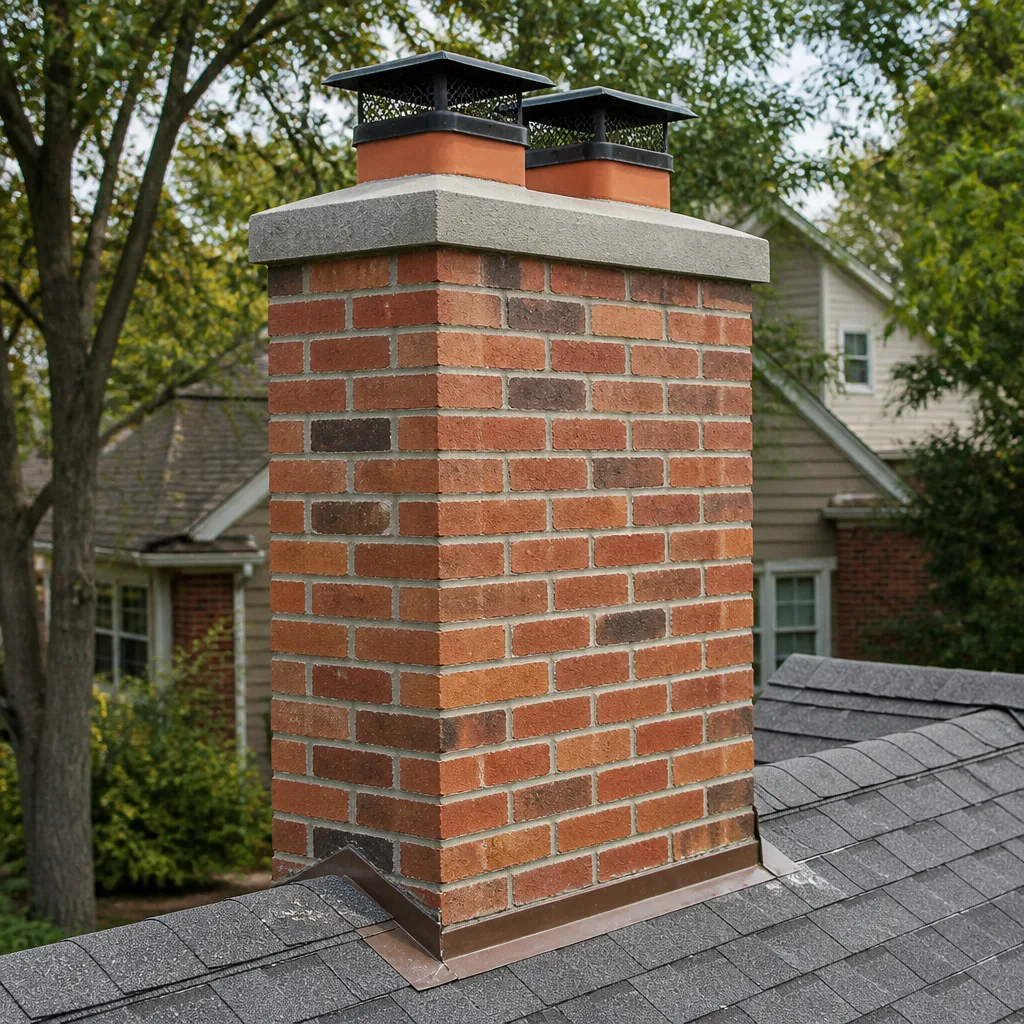 Masonry repair
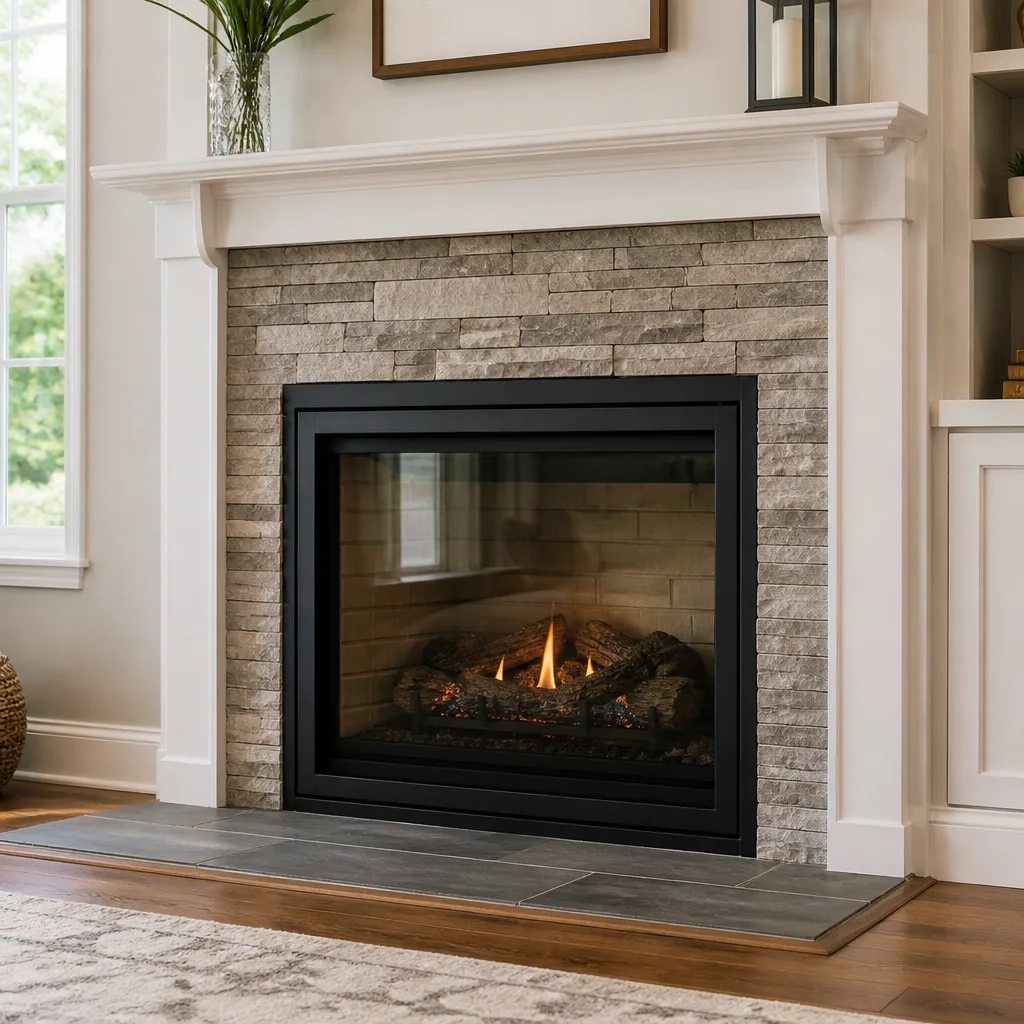 Gas fireplace service
Level 1 sweep and inspection to the NFPA 211 annual standard - flue, crown, cap, and flashing checked and photographed
Chimney sweep logs do not sweep chimneys. They loosen some creosote - which then falls where a brush and vacuum still have to collect it.
Chimney Cleaning Permits, Codes & Inspections in Lynnwood, WA: What You Need to Know
Most homeowners assume the permit question comes up when they schedule a cleaning. It’s actually the reverse. Sweeping a flue is routine maintenance and needs no permit. It’s the repair a sweep uncovers that lands you in the building department. A stainless liner installed without a permit, a crown rebuilt without an inspection record, a firebox altered by the previous owner, all of it can surface years later during a sale or an insurance claim. This guide walks through where Lynnwood draws its permit lines, what the Washington code requires, and how the inspection levels that govern your chimney actually work.
Quick Answer
In Lynnwood, chimney sweeping and Level 1 inspections are maintenance and need no building permit. Repairs that change the chimney system, including liner installation, firebox reconstruction, and appliance conversion, are permitted alterations under the Washington State Building Code, and they are reviewed through Snohomish County’s building department. NFPA 211 is the standard that governs clearances, liner sizing, and inspection levels for the whole system.
Styles & brands we work with
- Sweep & inspection
- Caps & crowns
- Flue relining
- Masonry repair
- Gas fireplace service
Table of Contents
- Where the Permit Line Sits: Exempt vs. Required Work in Lynnwood
- How Lynnwood’s Permit Jurisdiction Works
- NFPA 211 and What It Actually Requires
- Level 1 vs. Level 2 Inspections: When Each One Applies
- How to Pull Permit History on a Home’s Chimney
- Insurance, Documentation, and Claim Denial Risk
- Lynnwood’s Local Code Additions and What They Change
- When to Schedule Inspection and Repair Work
Where the Permit Line Sits: Exempt vs. Required Work in Lynnwood
The permit question turns on whether the work changes the chimney system or merely maintains it. If a task keeps the system in its current configuration, it’s exempt. If it alters the flue, firebox, or appliance type, it’s a permitted alteration. Here’s the split we work with:
Usually Permit-Exempt
- Chimney sweeping and creosote removal
- Level 1 and Level 2 inspections as standalone services
- Like-for-like cap replacement, where the new cap meets the same clearances as the old one
- Minor mortar repointing on the exterior, where the repair doesn’t involve structural members
- Replacing a spark arrestor screen on an existing cap
Usually Permit-Required
- Installing a stainless steel liner system, including DuraFlex flexible liners in a deteriorated or unlined flue
- Firebox reconstruction, including HeatShield being applied as part of a firebox or flue restoration where the original dimensions are being re-established
- Converting the fireplace from wood to a gas appliance, or changing the venting category
- Rebuilding a chimney chase or crown where the dimensions change
- Adding a new flue or extending an existing one above the roofline
This is a starting point, not a substitute for the building department’s own answer. A repair that looks modest from the outside can still touch structural framing, and a Lynnwood permit clerk will tell you which category it falls into before anyone touches the chimney. Doing that check before the work starts is how you avoid discovering it later.
How Lynnwood’s Permit Jurisdiction Works
Lynnwood does not run its own building department. Building permits for chimney alterations and fireplace work are reviewed through Snohomish County, which administers the jurisdictions that don’t have their own code office. That detail matters to a homeowner because it changes where the paperwork lives and what a buyer or insurer will ask for down the line.
When a permit is issued and inspected, the record is kept at the county level. That record is what a title search, a real estate inspector, or an underwriter’s reviewer can find. When a liner is installed without one, there is no record to find. The chimney still works, which is what makes these jobs so easy to hide.
Practically, this means a Lynnwood homeowner has three sources of good information: the county’s permit history for their address, the actual system itself as found during an inspection, and the installer’s documentation from the job. The first source catches problems the second source can’t see. A liner installed nine years ago and working fine has no way of proving it was installed to current code, because the code itself has likely shifted at least once since. If you plan to sell in the next few years, take the time to know what’s on record.
For a full-system review of the chimney as it stands today, start with a chimney repair assessment. It’s a quick way to learn what you’re working with before any permit conversation.
NFPA 211 and What It Actually Requires
NFPA 211 is the standard that governs chimneys, fireplaces, vents, and solid fuel appliances. Washington State’s code draws heavily on it, and it’s the reference a county inspector or insurance reviewer will use when they look at your system. It sets rules in three areas that come up on almost every job:
- Clearances. A masonry chimney needs a specified distance from combustible materials, typically framing, sheathing, and roof decking. Older chimneys in Lynnwood often end up with reduced clearances because a prior owner added siding, insulation, or a roof extension over the years. The chimney may work fine today, but a clearance violation is a fire risk that doesn’t announce itself until it does.
- Liner sizing. The flue liner must match the appliance’s drafting requirements for size and shape. A woodstove connected to a flue that’s too large drafts poorly and produces more creosote. A flue that’s too small restricts the appliance. NFPA 211 gives the framework for sizing a liner to the appliance, and a proper installer works backward from the appliance to select the liner, not the other way around.
- Inspection levels. The standard defines three inspection levels and when each applies. This is the piece most homeowners haven’t heard about, and it’s often the point where the permit question becomes relevant.
We work with DuraFlex liners specifically because their sizing charts, wall thicknesses, and insulating options are built to meet NFPA 211 requirements, which makes it easier for an inspector to sign off on the installation. DuraFlex also handles the offsets and bends that older Lynnwood masonry chimneys frequently have inside the flue, without requiring the homeowner to demo anything.
The standard doesn’t just apply to new installations. It’s the measuring stick used during any Level 2 or Level 3 inspection to determine whether an existing chimney meets today’s safety baseline. When a real estate inspector flags a chimney, they are usually applying something in NFPA 211 without naming it.
Level 1 vs. Level 2 Inspections: When Each One Applies
The three inspection levels under NFPA 211 aren’t cosmetic tiers. Each one is defined by access and by what’s being evaluated, and each has an appropriate time to apply.
Level 1 Inspection
A Level 1 is included with a routine annual sweep. It’s a visual check of readily accessible portions of the chimney: the firebox, damper, smoke chamber from below, the accessible flue from the firebox or appliance connection, the cap, and the visible exterior. It confirms the system is safe to keep using under the same conditions as last year, but it doesn’t require inspecting concealed areas or checking the flue from the top or any hidden portions. If nothing has changed, this is the right level.
Level 2 Inspection
A Level 2 is required whenever the system has changed, or the conditions of use have changed. The NFPA framework names specific triggers:
- Sale or transfer of the property
- After a chimney fire or any event that may have damaged the chimney
- After an earthquake or severe weather that may have affected structural integrity
- After any alteration to the system, including liner installation, appliance change, or firebox repair
- When the appliance or fuel type is being changed
Level 2 access extends to concealed areas using video scanning and access to the chimney top and attic where applicable. In practice, this is the inspection that gives you proof, not an opinion. Video of the flue, measurements of the liner, clearances noted at the top and bottom, all on record.
Level 3 Inspection
A Level 3 is diagnostic and is only triggered when a Level 1 or Level 2 uncovers a specific concern that can’t be resolved without opening up concealed construction. Removing drywall or masonry to see what’s behind a chimney falls into this level. It’s uncommon but necessary when a hidden hazard needs to be confirmed or ruled out.
For Lynnwood homeowners planning a sale or making an insurance claim, the Level 2 is the one that matters. The Level 1 that ships with a sweep is genuinely useful, but it doesn’t answer the questions a buyer or an adjuster will ask.
How to Pull Permit History on a Home’s Chimney
Permit history is public record and worth checking before buying a home in Lynnwood or hiring a contractor for major chimney work. Here’s the process we recommend:
- Start with the address and parcel number. Both appear on your property tax statement or county assessor’s site. Having both speeds up the lookup.
- Search the Snohomish County permit portal. Use the address or parcel number to pull the permit history for the property. Look specifically for permits issued for “chimney liner,” “fireplace alteration,” “woodstove install,” or “masonry repair.”
- Ask the seller for documentation. If a chimney repair happened, an invoice or written report from the installer is a legitimate ask. A permit and final inspection record is even better. Missing documentation is not automatically a red flag, but it should prompt a Level 2 inspection before closing.
- Note the timeline of repairs. If the liner was installed recently and there’s no permit on record, that’s a follow-up conversation. If the liner was installed before the current owner’s tenure, the doc trail may live with the previous seller. Be specific in writing about what you’re asking for.
- Commission an independent inspection. Permit history is one source of truth. An independent Level 2 gives you the other. Together, they cover both the paperwork and the physical condition.
If you’re buying a home in Lynnwood with a fireplace, this is one of the most useful half-hours you’ll spend on the transaction. A permitted, documented liner system is often the difference between a clean sale and a renegotiation.
Insurance, Documentation, and Claim Denial Risk
Insurance companies have gotten more deliberate about chimney documentation over the past several years. An adjuster reviewing a chimney fire or smoke damage claim will typically ask for three things: the date of the last sweep, the date and findings of the last inspection, and documentation that any repairs on record were done properly. For an unpermitted liner installation, the third item is where trouble starts.
Whether a specific claim is covered depends on the policy and the facts, but the risk homeowners run with unpermitted repairs is predictable. If a claim is made and the adjuster discovers a liner that was installed without a permit, the insurer may treat the repair as nonconforming construction. That opens the door to conditional coverage, higher scrutiny, or a denial if the policy has a provision excluding alterations not made to code.
What actually protects you is straightforward documentation. That means:
- The permit number and final inspection record for any liner installation or firebox reconstruction
- The written inspection report with the level noted and photos included
- The sweep date and findings, so the policyholder can show a maintenance record
- The installer’s written documentation of the materials used (a DuraFlex spec sheet, for example) so the adjuster can confirm code was met
None of this is exotic. It’s the same file a good contractor keeps on every job. The vulnerability comes when the file doesn’t exist, and there’s no way to reconstruct it after the fact. Our chimney sweep visit produces a written report that becomes a useful part of that file every year.
Insurers are also increasingly asking for documentation after chimney fires specifically, even a small one that the homeowner put out with a chimney fire extinguisher. If the damage is smoke-related and the adjuster wants to trace it to the chimney, documentation of condition is a critical input.
Lynnwood’s Local Code Additions and What They Change
Lynnwood’s code additions track Snohomish County’s amendments to the Washington State Building Code, and they mostly touch on the details of how permits are administered, not the safety standard itself. In practice, they change three things that matter to a homeowner:
- Where to submit. Because Lynnwood doesn’t run its own building department, applications are handled through Snohomish County. That is also the office that records final inspection results, which is what a future buyer will pull.
- Weather-related construction windows. Masonry repairs, crown rebuilding, and cap installations in Lynnwood happen against a wet, wind-prone climate. Local practice is to schedule crown and exterior masonry work in the drier, warmer stretches of the year so the mortar and sealant have time to cure. That’s not a code requirement exactly, but it’s the reality that informs scheduling for every chimney job in this area.
- Clearance verification during inspection. Because Lynnwood’s housing stock includes a lot of mid-century construction alongside newer builds, clearances vary more than in newer subdivisions. County inspectors looking at a chimney alteration will often spend time verifying that the surrounding construction hasn’t compromised a clearance over the years. That’s a detail homeowners benefit from understanding before the appointment, not during it.
For a repair on the firebox or on the masonry surrounding it, our fireplace repair work is almost always governed by a permit because the firebox dimensions must match the original design. If a repair shop tells you a fireplace rebuild doesn’t need a permit in Lynnwood, get a second opinion from the county before signing.
Cap and crown work is more often exempt than liner work because it doesn’t touch the flue. That’s one reason we treat Chimney Sweep Lynnwood as a full-system conversation: preventing water intrusion with a properly installed cap or rebuilt crown often prevents the repair that would have required a permit. We work with Gelco for standard cap installations and Copperfield for custom masonry crowns where the original profile needs to match the house. Both are professional trade products, not box-store stock, and both meet the clearances that keep the installation in the exempt category.
When to Schedule Inspection and Repair Work
Chimney work in Lynnwood follows a seasonal rhythm. The window between the end of fireplace season and the start of the next one is when most inspections, repairs, and cap installations get done, for two reasons. The first is that technicians have more availability and inspectors can be scheduled without the fall backup. The second is that exterior work, especially masonry crown rebuilding and cap installation, has a curing window that depends on temperature and precipitation.
The pressure point is a specific one: heading into a heating season with an uninspected chimney. A creosote-loaded flue or a loose liner connection can become a fire hazard during the first serious burn, and the weeks before heating season starts are when inspections are the most valuable. If the last sweep was more than a year ago, that’s the trigger.
For homeowners in Lynnwood who haven’t had a Level 2, especially if the home has changed hands or a liner was installed under a previous owner, scheduling that inspection outside the rush is best. Booking the sweep and inspection together, before the fall crunch, gives you time to complete any permit-required repairs without racing the weather.
If you’re in the process of buying or selling, don’t wait. A pre-sale inspection on a Lynnwood chimney is a negotiation tool. A post-purchase inspection is a fix-it list.
Common Mistakes to Avoid
- Assuming a sweep covers the inspection. A sweep cleans the flue; an inspection evaluates the system. Level 1 is usually included with a sweep, but Level 2 is not automatic. If you’re closing on a home or an alteration is happening, ask specifically for a Level 2.
- Skipping the permit for a liner install. Liner installations in Lynnwood are permitted alterations. Skipping the permit saves a step but leaves a hole in the record that a buyer or insurer will find and the homeowner can’t fill in after the fact.
- Trusting a contractor’s verbal assurance on clearance. Clearances are measurable. Ask for them in writing as part of the written estimate or the inspection report. Verbal is not documentation.
- Replacing a cap without checking the clearances. A like-for-like cap replacement is exempt, but a cap that’s taller or closer to combustibles is not like-for-like. Match the original configuration, or check with the county first.
- Doing masonry repairs in the wrong weather. Crown rebuilding and exterior masonry work need time above freezing to cure. Scheduling in the wet winter pushes the repair into bad weather, and the sealant often fails within a season.
- Skipping the insurance file. Even a well-installed system needs documentation. A file with the last sweep report, inspection findings, and any permit records protects you if a claim ever happens.
- Buying a home without checking the chimney permit history. A quick search at the Snohomish County portal before closing often turns up what a visual inspection can’t. Use it.
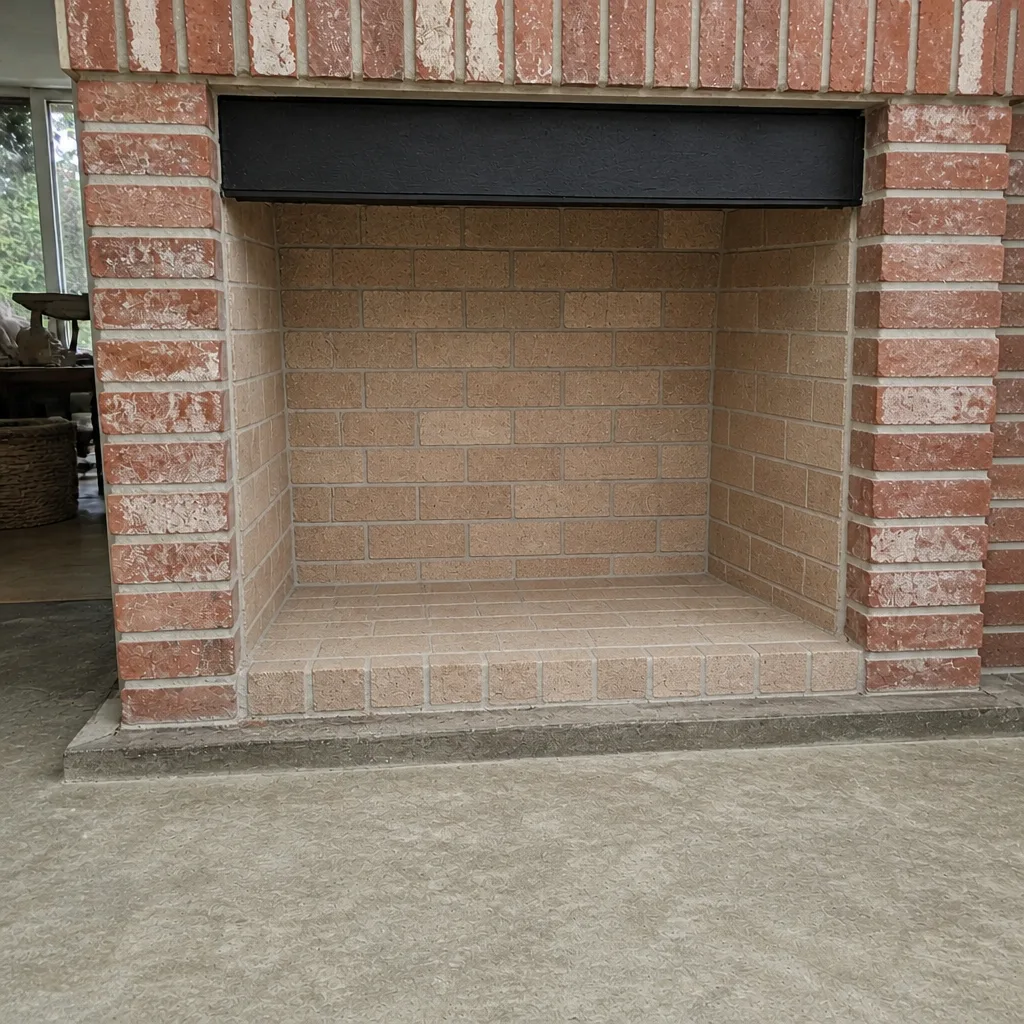
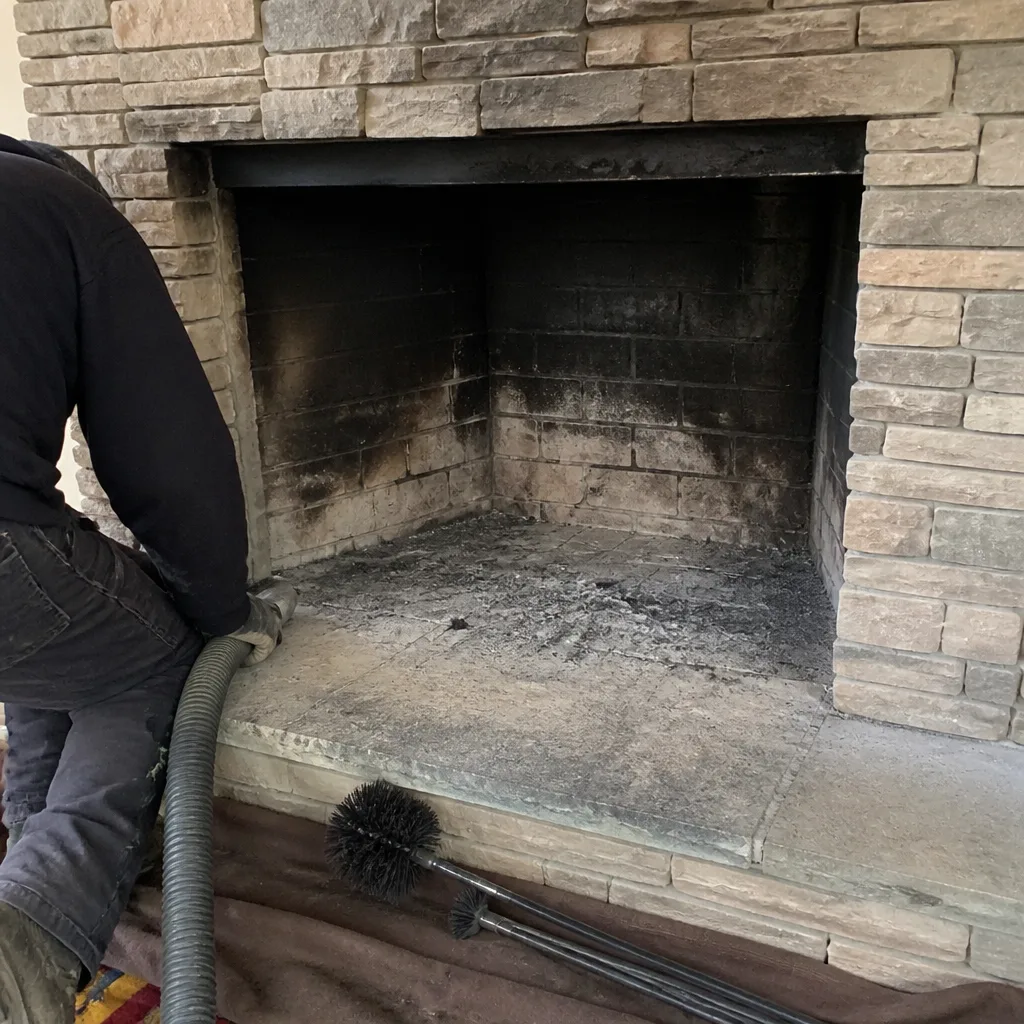
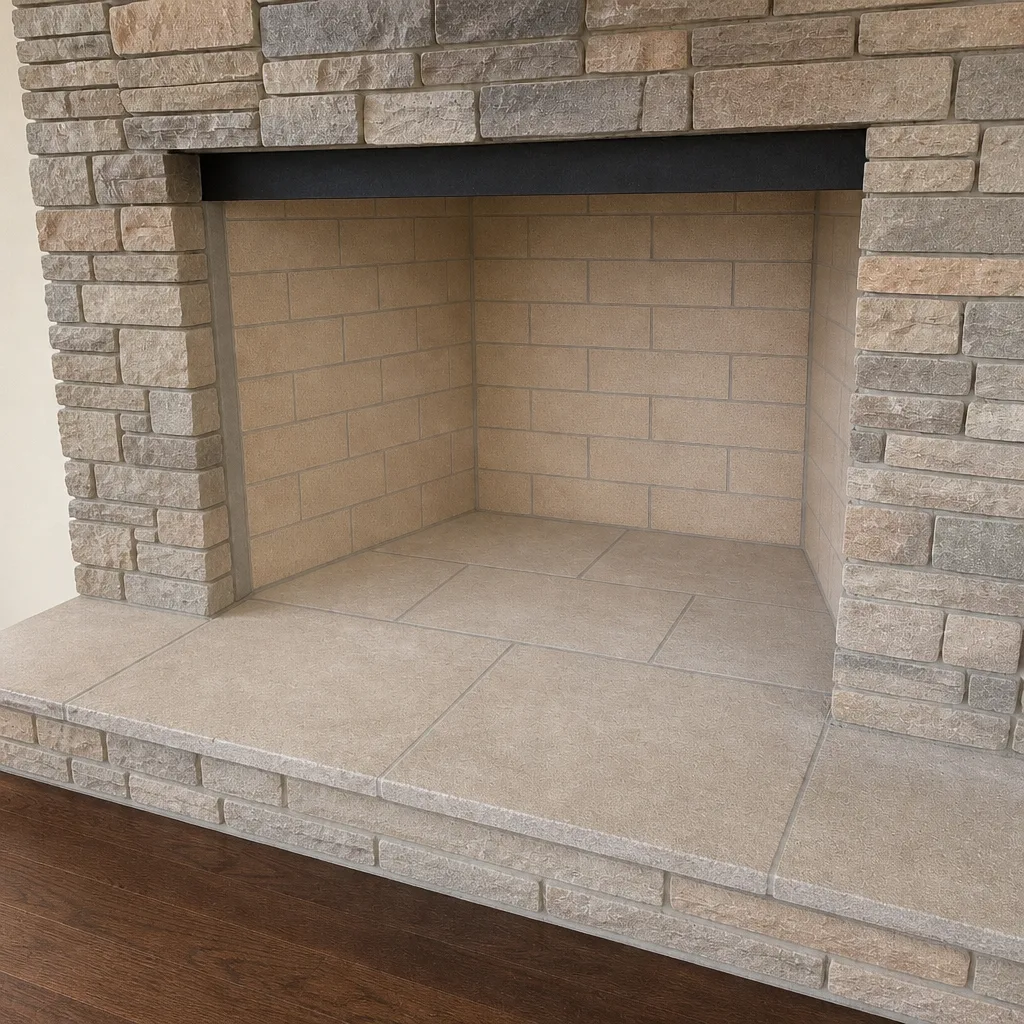
See the difference
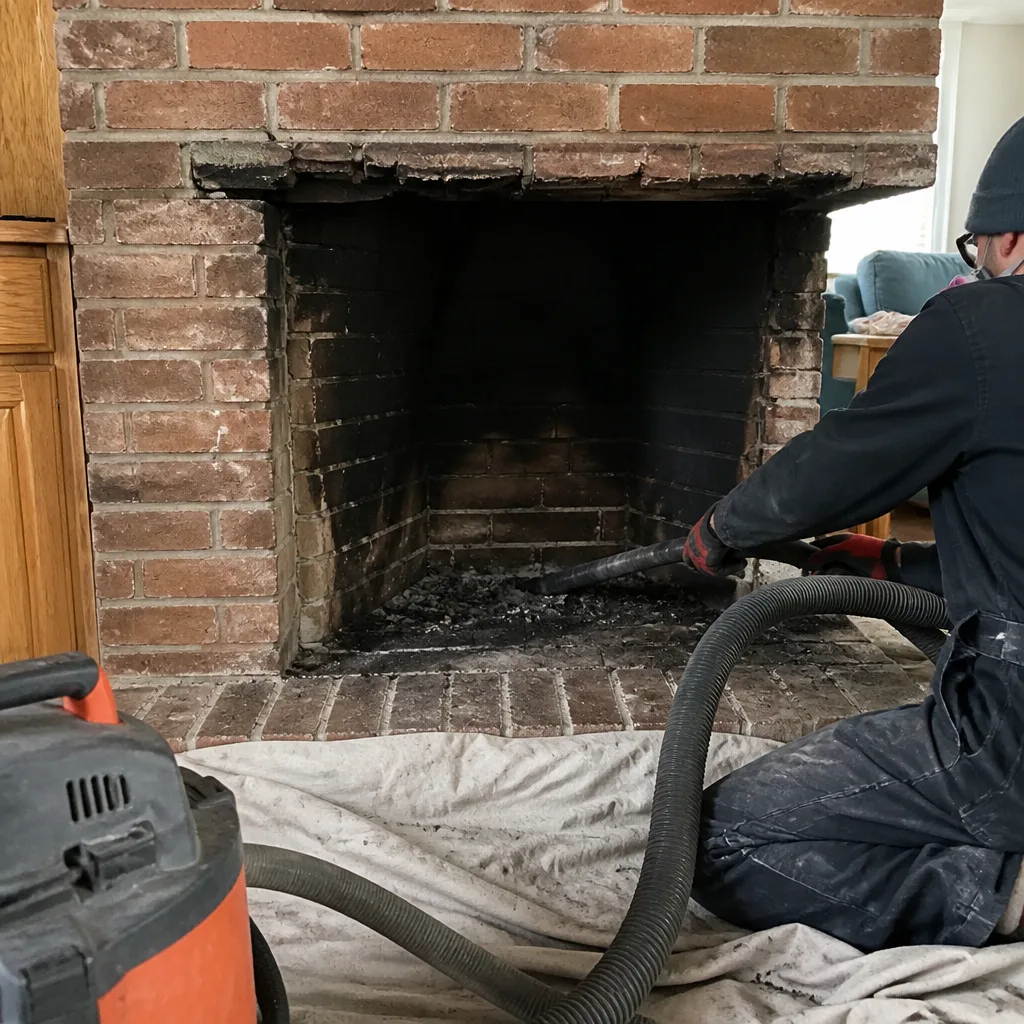 Before
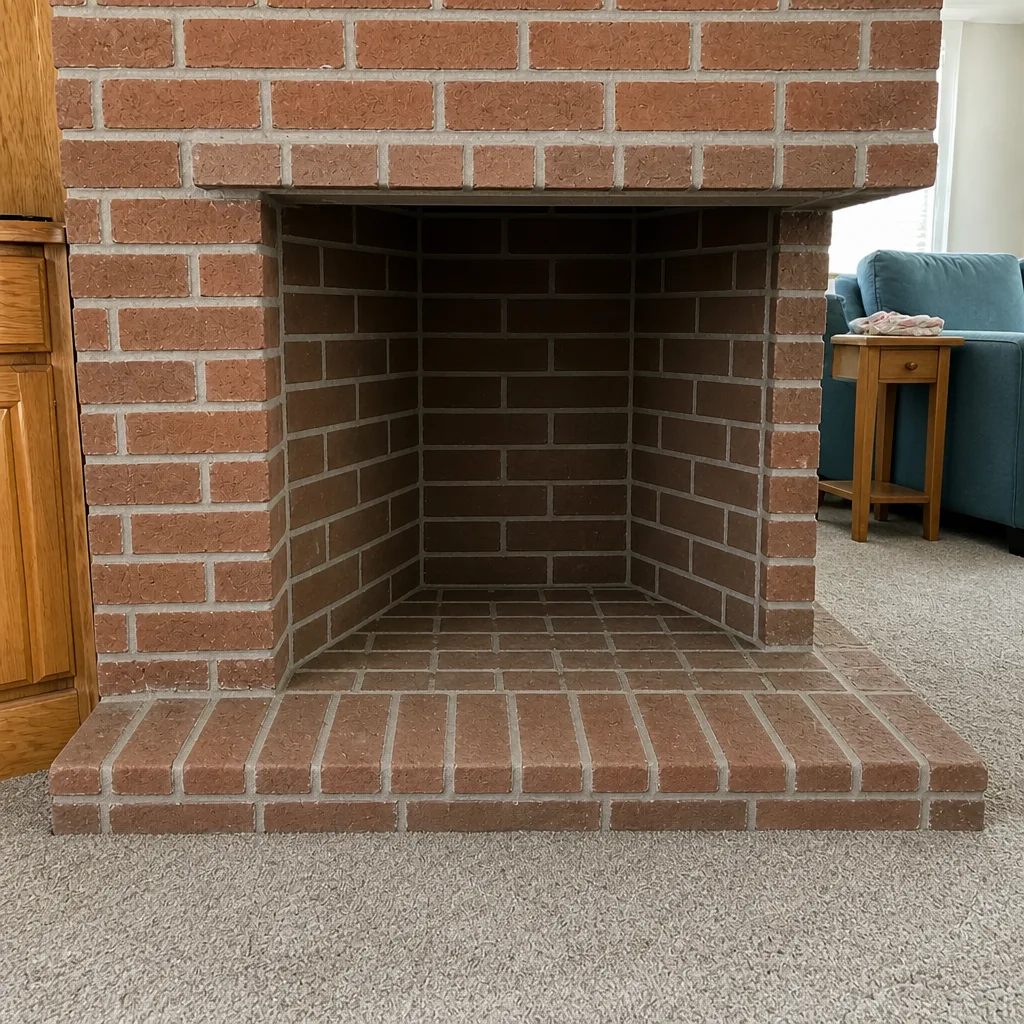 After
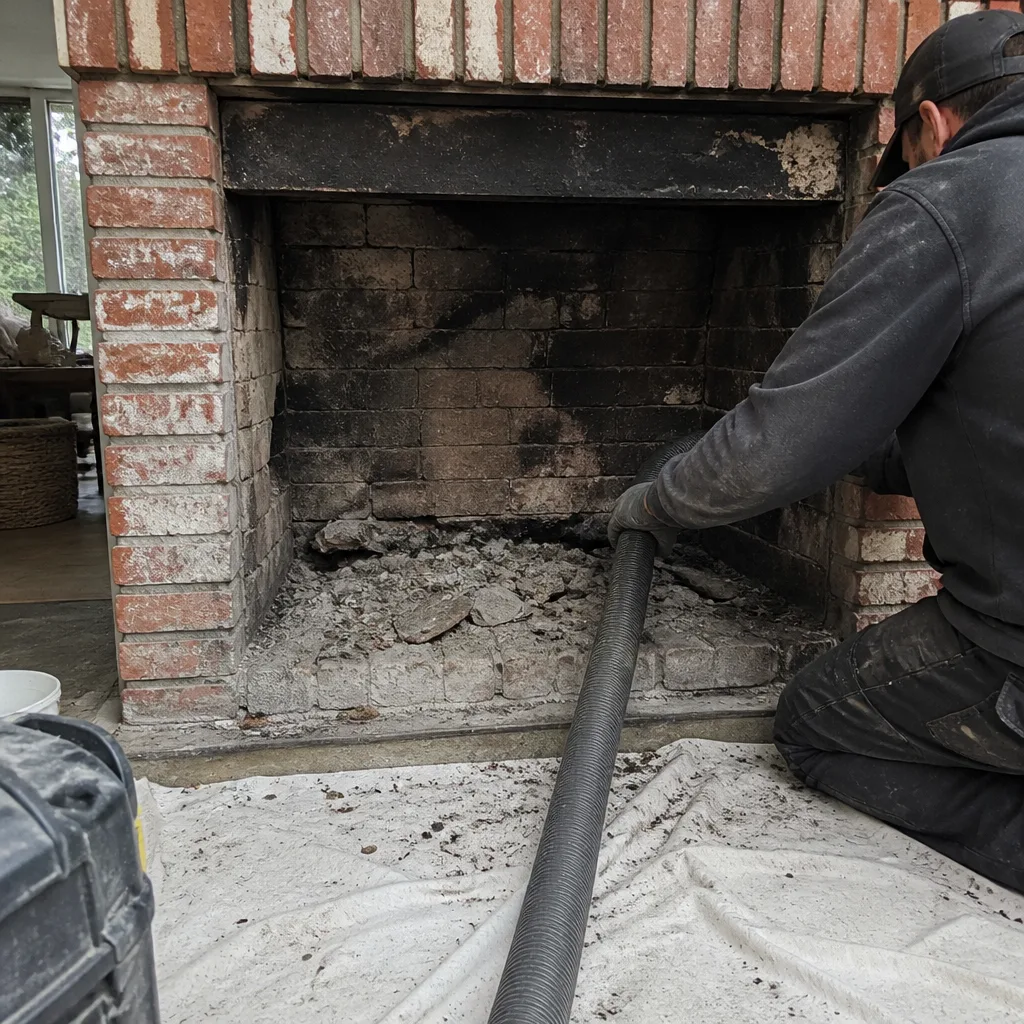 Before
 After
 Before
 After
When to Call a Professional
Some chimney work is technical but low-risk; some of it is genuinely dangerous. High-tension garage door springs aren’t in this trade, but the chimney equivalent is a deteriorated flue or an unstable chase, and both need a trained professional to evaluate. Call us if:
- You’ve never had the chimney inspected and the last sweep is more than a year past
- You’re buying a Lynnwood home with a fireplace and want an independent Level 2 before closing
- A liner, firebox, or crown repair is being considered and you want to know whether a permit applies before someone starts
- The chimney has been through a fire, even a small one, or has visible cracks, spalling, or rust on the firebox
- You’re planning a fireplace conversion or appliance change
Chimney Sweep Lynnwood offers free estimates in Lynnwood. Call (855) 550-7286. We answer 24/7. Fast dispatch from 7am to 7pm, Sunday through Friday.
Frequently Asked Questions
No. Chimney cleaning is routine maintenance and doesn’t require a building permit in Lynnwood. A Level 1 inspection is usually included with a sweep and also needs no permit. Call (855) 550-7286 for an exact quote. Estimates are free.
Yes, a liner installation is a permitted alteration under the Washington State Building Code, and it’s reviewed through Snohomish County’s building department. The permit and final inspection record become part of your home’s file, which matters at resale and if you ever file a chimney-related insurance claim. Call (855) 550-7286 for an exact quote. Estimates are free.
A Level 1 is a visual check of accessible portions of the system and typically accompanies a routine annual sweep. A Level 2 uses video scanning and access to concealed areas, and it’s required at sale, after a chimney fire, and after any alteration. If you’re buying a home in Lynnwood or had recent repair work, ask specifically for a Level 2. Call (855) 550-7286 for an exact quote. Estimates are free.
Under NFPA 211, the chimney should be inspected annually and swept as needed based on the amount of use and the buildup of creosote. A fireplace used regularly in Lynnwood is typically swept once a year. A lightly used fireplace may not need a sweep every season, but the annual inspection is still worth doing. Call (855) 550-7286 for an exact quote. Estimates are free.
Skipping the inspection leaves creosote and structural problems undetected, and a chimney fire is the worst possible outcome. Skipping the permit leaves a gap in the home’s record that a buyer or an insurer can find later. The two risks compound: an uninspected repair is also typically an unpermitted one, and insurance claims after a chimney fire are exactly where the paperwork matters most. Call (855) 550-7286 for an exact quote. Estimates are free.
Yes, and it’s worth doing before you buy or hire. The Snohomish County permit portal allows a search by address or parcel number. Look for permits for liner installation, fireplace alteration, or woodstove installation, and note the dates. If the record shows an alteration with no final inspection, that’s a follow-up question for the seller or the contractor. Call (855) 550-7286 for an exact quote. Estimates are free.
The Bottom Line
Chimney cleaning is maintenance and needs no permit in Lynnwood. The repairs a sweep uncovers often do, especially liner installations, firebox reconstruction, and appliance conversions. Those repairs are permitted alterations under the Washington State Building Code, reviewed through Snohomish County, and they carry a paper trail that protects you at resale and at claim time. NFPA 211 sets the standard for clearances, liner sizing, and inspection levels, and it’s the measuring stick a Level 2 uses when the system is being evaluated for a sale or a post-fire condition. Every recommendation we make is grounded in what the camera sees in your flue, and the report goes to you. Nothing gets recommended without evidence you can see for yourself. If it can wait, we’ll say so. If it can’t, we’ll show you why.
To schedule a sweep, a standalone inspection, or a permit conversation about a repair, call Chimney Sweep Lynnwood at (855) 550-7286 for a free estimate. The estimate is free and the final price is set per job by the written estimate. We answer 24/7. Fast dispatch from 7am to 7pm, Sunday through Friday, closed Saturday. Our technicians have up to 12 years of experience, and we work with DuraFlex liner systems, HeatShield flue resurfacing, and Gelco and Copperfield caps and crowns, because the products we install need to meet NFPA 211 and county inspection requirements without workarounds.
Written by the team at Chimney Sweep Lynnwood.